
Baant
Tender lamb simmered in a pungent mustard oil and ginger-garlic gravy with a warm kick of chilli and coriander.
Spices for the paste
7 gBlended with ginger and garlic in step 1Everything else

Method
- Place 3 g garlic, 24 g peeled ginger, and the spices for the paste into a blender with a splash of water, processing to a smooth paste.
- Warm 228 g mustard oil in a heavy-based pan set over high heat, then drop the temperature slightly. Add 250 g thinly sliced onion and fry for around 4 minutes until pale golden.
- Stir in the pureed spice paste and salt to taste, frying vigorously for roughly 1 minute.
- Add 1000 g lamb and fry, turning the pieces regularly, until deeply browned.
- Pour in 2 litres of warm water and bring the liquid to a rolling boil. Lower the heat to medium and simmer gently for 1 to 1½ hours until the meat is completely tender, topping up with extra warm water if it dries out.
Don't have something?


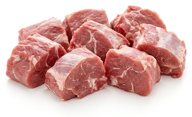 Lamb piece
Use the same weight; cut into even 3 cm pieces so they cook at the same rate.
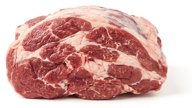 Lamb shoulder or leg
Use the same weight; cut into 3 cm pieces. Shoulder is juicier and leg is leaner, so check tenderness.
 Boneless lamb
Use the same weight; it cooks faster, so reduce simmering by about 10 minutes and check early.


 Peanut oil
Use equal weight. It handles high-heat cooking well, but lacks the signature pungent, nasal heat of mustard oil.
 Vegetable oil
Use equal weight. Neutral in flavour, so your curry will lack the characteristic Bengali or North Indian pungent punch.






 Garlic paste
Use equal weight. Fry gently in oil or ghee with the ginger; incorporates smoothly into curries without visible minced bits.
 Garlic powder
Use 15% to 20% of the weight (about 1 g for every 5 to 6 g fresh cloves). Whisk into sauces; gives a savoury, toasted garlic flavour without raw pungency.
 Shallot
Use 1.5 times the weight, very finely minced. Sauté until golden; provides savoury allium sweetness, though it lacks garlic's pungent sulphur bite.


 Fresh ginger
Use equal weight; scrape off the skin and grate or finely julienne according to the recipe.
 Ginger paste
Use equal weight; stir straight into the sizzling aromatics, taking care as the extra moisture may spit.
 Ground ginger
Use 15 to 20% of the weight; add alongside ground spices, noting it imparts warm, dry heat rather than zesty freshness.


- Ground ginger
Use 50% of the weight. Mimics turmeric's warm, earthy, rhizome background, but provides none of the golden-yellow colour.
 Saffron
Steep a tiny pinch (0.1 g per 2 g turmeric) in 2 tbsp warm water; use to match the rich golden hue. Contributes an aristocratic, honeyed floral flavour rather than earthy bitterness.


 Dried kashmiri chilli
Use equal weight whole. Fry in hot oil or ghee as tempered spice; gives a richer red colour with slightly milder heat.
 Red chilli powder
Use 50% to 70% of the weight. Stir into the oil with ground spices; distributes heat evenly throughout the dish without whole chilli skins.


 Ground coriander
Use 75% of the weight; stir in along with wet masala or tomato purée rather than frying in hot oil, as the fine powder burns instantly.
 Cumin seed
Use 50% of the weight for tempering in hot oil. Lacks the floral, sweet citrus flavour of coriander, introducing warm, pungent earthiness instead.
 Fennel seed
Use 50% of the weight in tempering; provides pleasant aromatic sweetness, though noticeably aniseedy rather than citrusy.


Similar dishes

- Same: Bhutua shares the same mustard oil base seasoned with ground turmeric, dried red chilli, and coriander seeds.
- Different: Instead of lamb simmered with onions, ginger, and garlic, Bhutua uses offal fried in twice the amount of mustard oil with a much higher proportion of dried red chilli.

- Same: Both recipes feature lamb seasoned with onions, ginger, garlic, ground turmeric, and coriander seeds.
- Different: Instead of simmering lamb in a mustard oil gravy, Keeme ke Samose mixes minced lamb with yogurt and fresh coriander leaf, encases it in pastry, and deep-fries it in ghee or vegetable oil without dried red chilli.

- Same: Both dishes simmer lamb in mustard oil with onions, ginger, garlic, turmeric, coriander seeds, and dried red chillies.
- Different: Garhua uses lamb trotters slow-cooked overnight instead of regular lamb cuts, halves the mustard oil, and adds bay leaf, black cardamom, and fresh coriander leaves.

- Same: Kaleji ka Salan shares onion, ginger, garlic, turmeric, coriander and salt with this dish, and both are spiced gravies.
- Different: Kaleji ka Salan uses liver instead of lamb, plain yogurt as a souring agent, vegetable oil instead of mustard oil, and mint; it lacks this dish's dried red chilli and coriander seeds.