
Gongura Chicken
A deeply savoury chicken curry with a characteristic tart flavour from pureed gongura leaves, balanced by warming spices and poppy seeds.
Ginger and garlic paste
10 gFried with the browned onions (step 1)Ground spices and poppy seed paste
12 gStirred into the cooked chicken (step 4)Everything else

Method
- Warm 114 g vegetable oil in a large, heavy saucepan over medium heat. Sauté 600 g onion for 6 to 8 minutes until deeply golden, then stir in the ginger and garlic paste and cook for an additional 1 to 2 minutes until aromatic and lightly browned.
- Tumble in 1200 g chicken along with 0.3 g salt. Turn the heat down to low, place a lid on the pan, and simmer gently for about 40 minutes until the chicken is tender and cooked through.
- While the curry simmers, set two separate pans of water to a boil. Blanch 225–250 g gongura leaves in the first pan and 24–48 g green chilli in the second for 2 minutes. Drain both, let them cool down, and blitz them together in a blender into a smooth puree, loosening with a splash of water if needed.
- Uncover the pot, stir in the ground spices and poppy seed paste, and cook over medium-low heat for 4 minutes.
- Fold the blended gongura paste into the chicken and cook for a final 2 minutes before taking the pan off the heat.
Don't have something?


 Peanut oil
Use 1:1 by weight. Handles high-heat frying identically and introduces a very subtle, pleasant nuttiness.
 Ghee
Use 1:1 by weight. Yields a much richer, authentic aroma and a glossy, heavier mouthfeel.
 Mustard oil
Use 1:1 by weight. Heat until smoking, then cool slightly before cooking to temper its intensely pungent, sharp mustard kick.






 Fresh ginger
Use equal weight; peel and grate very finely on a microplane or pound to a fine paste in a mortar.
 Ginger
Use equal weight; mince finely and crush with the flat of a knife before frying.
 Ground ginger
Use 20% of the weight; add directly with the dry spice powders, though it yields an earthier, less pungent profile.


 Garlic
Use equal weight; crush or finely grate to a smooth pulp to replicate the same fresh, pungent moisture in your base gravy.
 Garlic powder
Use 20 to 25% of the weight; mix with a teaspoon of water before adding to oil so it does not burn, noting it lacks the fresh bite.

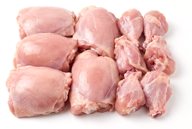
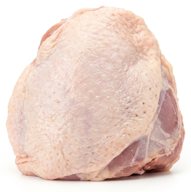 Turkey thigh
Use 100% of the weight, cut into equivalent bone-in or boneless pieces. Simmer for an extra 5 to 10 minutes; flavour and texture are very similar.
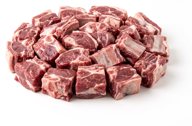 Lamb
Use 100% of the weight. Cut into bite-sized pieces and extend simmering time by 35 to 50 minutes, adding extra liquid to allow the meat to tenderise.


 Sorrel leaves
Use the same weight. Closest sour leafy substitute; cook briefly so they keep some body.
 Spinach
Use the same weight and add amchoor or lemon juice to taste. Loses the musky tartness but works in dal and curries.
 Red amaranth leaves
Use the same weight with a squeeze of lemon or tamarind. Less sour; adjust salt and chilli afterwards.


 Chilli powder
Use 10 to 15% of the weight (about 1/4 teaspoon per chilli); imparts dry pungent heat and reddens the dish without the grassy crunch.
 Dried red chilli
Use 1 dried pod per fresh green chilli; snap in half and temper in hot oil for a deeper, toastier heat.



 Coriander seeds
Dry-roast lightly in a pan and grind to a fine powder; use equal weight (1:1). Offers a noticeably fresher, brighter citrus note.
 Ground cumin
Use 50% to 75% of the weight. Lacks the floral, citrusy profile of coriander and turns the gravy heavier, earthier, and darker.
 Garam masala
Use 50% of the weight and stir in near the end of cooking. Adds warmth and depth since it contains ground coriander, but introduces stronger spices like clove and cinnamon.


 Cumin seed
Dry-roast briefly and grind finely; use equal weight (1:1). Imparts an even punchier, nuttier, toasty aroma than pre-ground cumin.
- Ground coriander
Use equal weight (1:1). Adds mild, lemony sweetness rather than cumin's smoky, earthy bite; curries will taste lighter and less savoury.
 Black cumin seeds
Grind finely; use 60% to 75% of the weight. Produces a darker, more complex, smoky-herbal flavour suited to rich gravies.


- Ground cumin
Use 50% of the weight mixed with equal parts ground coriander and a pinch of ground cinnamon, ground cloves, and ground green cardamom. Sprinkle near the end for a warming finish.
 Lentil stew spice mix
Use 75% of the weight. Simmer briefly in the gravy; imparts roasted warmth and complexity, though it adds a slight tang and earthy lentil undertone.


- Chilli powder
Use equal weight. Stir in directly with the dry spices; delivers comparable heat and red colour.
 Kashmiri chilli powder
Use 130% to 150% of the weight. Provides brilliant ruby colour with roughly half the fiery heat.
 Yellow chilli powder
Use 75% of the weight. Gives a sharp, clean pungency without tinting the sauce red.


 Cashew nut
Use equal weight. Soak in warm water for 20 minutes and grind to a smooth paste; produces an even creamier, slightly richer gravy than poppy seeds.
 White sesame seed
Use equal weight. Soak and grind finely; provides similar thickening and body with a slightly nuttier, faintly bitter edge.
 Almond
Use equal weight. Blanch, peel, and grind finely with a splash of water; lends a velvety body and gentle sweetness to gravies.


Similar dishes
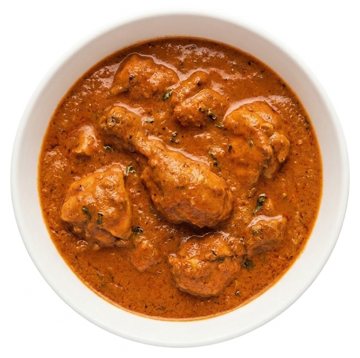
- Same: Butter Chicken shares the same foundation of chicken cooked with vegetable oil, ginger, garlic, ground coriander, cumin, garam masala, and chilli.
- Different: Butter Chicken marinates the meat in yogurt and lime juice and cooks it in a tomato, butter, and cream sauce with kasuri methi, rather than using the heavy onion base and poppy seeds found in this dish.

- Same: Both are chicken curries cooked in vegetable oil using an aromatic base of onions, ginger, and garlic.
- Different: Kali Mirch ka Murg features heavy black pepper and lemon juice, omitting the gongura leaves, poppy seeds, green chillies, and ground spices (coriander, cumin, and garam masala) used in this dish.
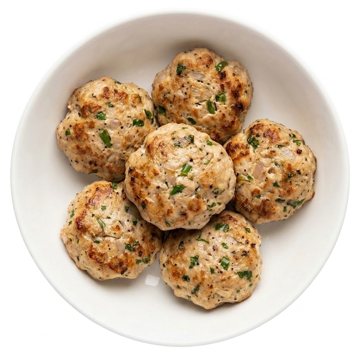
- Same: Murg Manpasand also features chicken seasoned with onion, ginger, garlic, green chillies, and garam masala.
- Different: Instead of a curry simmered in ample oil with gongura leaves, cumin, and poppy seeds, it consists of minced chicken seasoned with black pepper and coriander leaves that is steamed and pan-seared in very little oil.

- Same: Kori Tamatar shares with this dish a chicken-and-onion base, ginger and garlic pastes, green chilli, ground coriander and cumin, and salt.
- Different: Kori Tamatar uses ghee instead of vegetable oil, adds black cardamom, cinnamon, clove, turmeric and curry leaves, and sours with tomato and tamarind rather than gongura; it lacks poppy seed.