
Kobari Pachadi
A cooling, creamy South Indian coconut and yogurt chutney enlivened with a crisp, toasted tadka of lentils and spices.
Chilli for the tempering
1 gFried with the dal in step 2Mustard seeds
3.3 gAdded to the tempering pan in step 3Everything else

Method
- Combine 400 g coconut, 254 g plain yogurt, and salt to taste in a blender and process until smoothly ground.
- Warm 13.5 g vegetable oil in a skillet over medium heat, then add 4.3 g urad dal and the chilli for the tempering, stir-frying for 1 to 2 minutes until lightly browned.
- Add the mustard seeds and fry for roughly 1 minute until they begin to splutter, then pour the hot oil mixture over the blended coconut and stir well.
- Keep in an airtight container in the refrigerator for up to 2 days.
Don't have something?
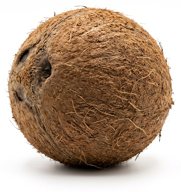
 Fresh coconut
Use equal weight freshly grated or diced. Delivers the identical sweet, milky taste and juicy texture.
 Desiccated coconut
Use 60% of the weight and soak in hot water or milk for 15 minutes before using. The finished dish will be slightly sweeter and less fibrous.
 Dried coconut
Finely grate and use 50% of the weight, soaked in hot water for 20 minutes. Yields a firmer chew and a denser, oilier coconut aroma.


 Yogurt
Use equal weight, whisked thoroughly until smooth before adding to hot dishes to prevent curdling.
 Coconut milk
Use equal weight with 1 teaspoon lemon juice mixed in. Provides rich creaminess in curries, but adds a noticeable coconut flavour.
 Single cream
Use 80% of the weight plus a squeeze of lemon juice for acidity. Enriches sauces nicely, though it is richer and less tangy.


 Peanut oil
Use 1:1 by weight. Handles high-heat frying identically and introduces a very subtle, pleasant nuttiness.
 Ghee
Use 1:1 by weight. Yields a much richer, authentic aroma and a glossy, heavier mouthfeel.
 Mustard oil
Use 1:1 by weight. Heat until smoking, then cool slightly before cooking to temper its intensely pungent, sharp mustard kick.


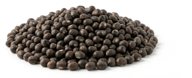 Whole black gram
Use equal weight. Needs longer soaking and cooking; the dark skins impart an earthy flavour and greyish-black hue unless thoroughly rubbed off.
 Chana dal
Use equal weight when tempering (tadka). Provides a comparable nutty, crunchy texture in hot oil, though grains are slightly larger.
 Split mung beans
Use equal weight for batters or dals. Ferments and cooks faster, producing a lighter, less sticky, and less viscous consistency.


 Dried kashmiri chilli
Use equal weight whole. Fry in hot oil or ghee as tempered spice; gives a richer red colour with slightly milder heat.
 Red chilli powder
Use 50% to 70% of the weight. Stir into the oil with ground spices; distributes heat evenly throughout the dish without whole chilli skins.


 Black mustard seed
Use the same weight. The seeds are smaller and hotter; fry in hot oil until they pop, about 20–30 seconds, and reduce the heat if they darken too fast. The dish will be a little sharper.
 Yellow mustard seeds
Use the same weight. They are milder and larger; fry a few seconds longer until they pop. The finished dish will have less pungency.
 Ground mustard seed
Use 70% of the weight of whole seed, added with the other ground spices rather than fried whole. You lose the popping texture and the heat comes through more evenly.


Similar dishes

- Same: Pulinkari also uses 400 grams of coconut tempered in vegetable oil with mustard seeds and dried red chillies.
- Different: Instead of plain yogurt and urad dal, Pulinkari incorporates tamarind extract, green chillies, and fenugreek seeds into a simmered curry rather than an uncooked chutney.
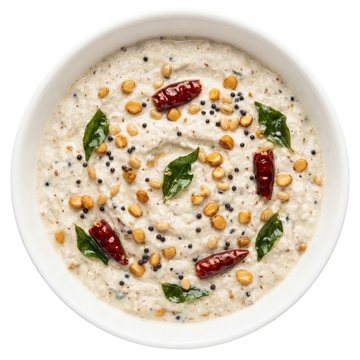
- Same: Both recipes blend coconut with yogurt and finish with a tadka of mustard seeds, urad dal, and dried red chillies fried in vegetable oil.
- Different: Dahi ki Chutney uses far less yogurt but adds chana dal, fresh ginger, green chillies, curry leaves, and lime juice.

- Same: Kappa Puzhukku shares a primary base of grated coconut seasoned with mustard seeds and dried red chillies fried in vegetable oil.
- Different: Kappa Puzhukku is a warm cooked mash prepared with cassava, turmeric, cumin, and curry leaves, omitting the yogurt and urad dal found in this blended chutney.

- Same: Both dishes are flavored with fresh coconut and a tempering of mustard seeds, urad dal, and dried red chillies fried in vegetable oil.
- Different: Thengaai Saadam is built around cooked basmati rice and curry leaves, omitting the yogurt and large volume of blended coconut used in this dish.