Indian cooking
Indian cooking / Dishes / Kalmi Bare
Kalmi Bare (Chana Dal Fritters)

Kalmi Bare

Chana Dal Fritters
Vegetarian●●●Origin DelhiPrep 45 minutes, plus soaking timeCook 30 minutes

These twice-fried lentil fritters feature a fluffy, spiced interior and a delightfully crunchy crust. Seasoned with whole spices, chillies, and tangy chaat masala, they make a punchy, savoury snack.

Batter spices

6 gBeaten into the whipped lentil batter (step 3)
01
3.4 g2 teaspoons
spice
02
2.9 g1 teaspoon
spice
Coarsely crush the coriander seeds, leaving the peppercorns whole.

Sprinkling spice

2.6 gDusted over the hot, double-fried fritters (step 6)
01
2.6 g1 teaspoon
spice blend
Keep ready to sprinkle over the finished fritters.

Everything else

01
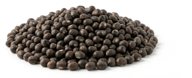
Chana dalrinsed and drained
200 g
legume
02
Black gram · Urad Dalrinsed and drained
200 g
legume
03
Green chilli · Hari Mirchde-seeded and finely chopped
6–12 g1–2 chillies
vegetable
04
2 g2 tablespoons
herb
05
to taste
oil/fat
07
to taste
salt

Method

  1. Place 200 g chana dal and 200 g urad dal into a bowl, cover generously with water, and leave to soak overnight.
  2. Drain the soaked lentils completely, then transfer to a food processor and blend until a smooth paste forms.
  3. Transfer the paste into a large bowl. Add the batter spices, 6–12 g green chilli, and 2 g coriander leaf, then beat vigorously until the batter is aerated, light, and fluffy.
  4. Heat vegetable oil or ghee in a deep, heavy-based pan or kadhai to 180°C (350°F). Working in batches, carefully drop large tablespoonfuls of the batter into the hot fat and fry for roughly 5 minutes, turning regularly, until pale golden. Remove with a slotted spoon, drain on paper towels, and allow to cool.
  5. Cut each cooled fritter into slices. Bring the oil back up to 180°C (350°F) and fry the slices for about 2 minutes until crisp and golden brown.
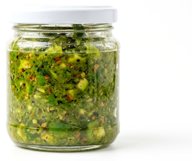
  6. Season the hot slices with the sprinkling spice, 1 tsp Chaat Masala, and salt to taste. Serve warm with Pudine ki Chutney.

Don't have something?

Chana dal
  • Yellow split peas

    Use 100% of the weight. Soak for at least 1 hour; takes about 10 minutes longer to cook through and has a marginally earthier flavour.

  • Pigeon peas

    Use 100% of the weight. Reduces cooking time by about 10 minutes and breaks down softer, giving a smoother consistency rather than distinct grains.

  • Black gram

    For tempering or tadka only: use 70% of the weight. Browns faster in hot oil, providing a nutty, crunchy bite.

Urad dal
  • Whole black gram

    Use equal weight. Needs longer soaking and cooking; the dark skins impart an earthy flavour and greyish-black hue unless thoroughly rubbed off.

  • Chana dal

    Use equal weight when tempering (tadka). Provides a comparable nutty, crunchy texture in hot oil, though grains are slightly larger.

  • Split mung beans

    Use equal weight for batters or dals. Ferments and cooks faster, producing a lighter, less sticky, and less viscous consistency.

Coriander seeds
  • Ground coriander

    Use 75% of the weight; stir in along with wet masala or tomato purée rather than frying in hot oil, as the fine powder burns instantly.

  • Cumin seed

    Use 50% of the weight for tempering in hot oil. Lacks the floral, sweet citrus flavour of coriander, introducing warm, pungent earthiness instead.

  • Fennel seed

    Use 50% of the weight in tempering; provides pleasant aromatic sweetness, though noticeably aniseedy rather than citrusy.

Black peppercorn
  • Coarsely ground black pepper

    Use 75% of the weight. Add midway through simmering; spreads heat evenly through the dish instead of delivering isolated bursts.

  • Ground black pepper

    Use 50% of the weight. Stir in near the end of cooking; significantly darkens light gravies and provides an immediate, sharp bite.

Green chilli
  • Chilli powder

    Use 10 to 15% of the weight (about 1/4 teaspoon per chilli); imparts dry pungent heat and reddens the dish without the grassy crunch.

  • Dried red chilli

    Use 1 dried pod per fresh green chilli; snap in half and temper in hot oil for a deeper, toastier heat.

Coriander leaf
  • Coriander

    Use equal weight finely chopped; this is the exact same fresh herb.

  • Mint

    Use half the weight finely chopped; provides vibrant green freshness, though the flavour profile becomes noticeably cooler and sharper.

Ghee or vegetable oil
  • Peanut oil

    Use equal weight; handles high tempering heat well and keeps flavours neutral.

  • Butter

    Use equal weight; cook over gentle heat to prevent browning the milk solids too quickly.

Green chutney
Garam masala
  • Ground cumin

    Use 50% of the weight mixed with equal parts ground coriander and a pinch of ground cinnamon, ground cloves, and ground green cardamom. Sprinkle near the end for a warming finish.


  • Lentil stew spice mix

    Use 75% of the weight. Simmer briefly in the gravy; imparts roasted warmth and complexity, though it adds a slight tang and earthy lentil undertone.

Chaat masala
  • Tandoori snack spice mix

    Use the same weight; taste first as it can be smokier and saltier. Add lime or amchoor if the dish needs more tang.

  • Dried mango powder

    Use about half the weight, mixed with black salt and a pinch of ground cumin. It gives tang and saltiness but lacks the minty, asafoetida notes.

  • Black salt

    Use about half the weight and add lime juice to taste. It gives the salty, sulphurous edge but not the full tangy blend.

Similar dishes

Dal ki Kaleji
Fried Moong Dal Cubes In Sauce
It tastes richer, moist, and mildly tart from yogurt and cooked tomatoes rather than crunchy, peppery, and tangy with chaat masala.
  • Same: Dal ki Kaleji also features fried lentil batter seasoned with green chillies, coriander seeds, and garam masala.
  • Different: Instead of twice-fried dry fritters made from chana and urad dal, it steams and fries moong dal dumplings before simmering them in a sauce made with ghee, onion, garlic, ginger, turmeric, tomato, and yogurt.
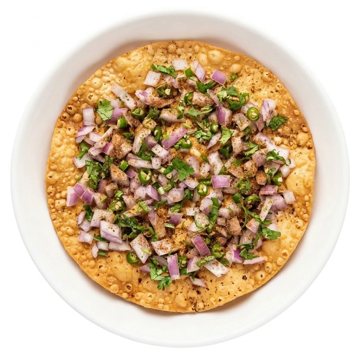
Masala Papad
Masala Papad tastes crunchy, sharp and tangy from raw onion and chaat masala. This dish tastes savoury and spiced, with a fluffy lentil interior and a crunchy crust.
  • Same: Masala Papad is a fried snack served with green chutney and chaat masala, like this dish. Both use green chilli and coriander as fresh accents.
  • Different: Masala Papad is built on papad and topped with red onion and coriander leaves, while this dish is a twice-fried chana dal and urad dal fritter. It lacks the lentils, whole coriander seeds, black peppercorn and garam masala used in this dish.
Carrot Bonda
Fried Spicy Carrot Snacks
Carrot Bonda tastes of sweet grated carrot and ginger with chilli heat, while this dish is punchier and tangier from chaat masala and green chutney.
  • Same: Carrot Bonda and this dish are both fried lentil fritters seasoned with green chilli, black peppercorn, coriander leaf, and salt.
  • Different: Carrot Bonda uses urad dal, basmati rice, grated carrot, and ginger, while this dish uses chana dal and urad dal, is twice-fried, and adds coriander seeds, garam masala, chaat masala, and green chutney.
Dal ki Kachori
Lentil-filled Puffed Bread
Dal ki Kachori tastes of warm black pepper and red chilli in a crisp flaky bread, while this dish is punchier and tangier from chaat masala and green chutney.
  • Same: Dal ki Kachori shares urad dal, black peppercorn, coriander seeds, salt, and vegetable oil with this dish.
  • Different: Dal ki Kachori uses a self-raising flour dough, red chilli powder, and vegetable oil for frying, while this dish uses chana dal plus urad dal, green chilli, coriander leaf, garam masala, chaat masala, green chutney, and vegetable oil or ghee and is twice-fried rather than stuffed and puffed.