
Grilled Hispi with Chilli Garlic Chutney
Charred grilled hispi cabbage seasoned with cumin and salt, then finished with a spicy chilli garlic chutney, crushed peanuts and cool sesame raita. It is smoky, crunchy and fresh, with a hot-sour kick from the chutney.
Cumin seed coating
6 gTossed with the oil and salt on the cabbage (step 1)Chilli garlic chutney
0 gDrizzled over the grilled cabbage (step 3)Everything else

Method
- Put 1200 g hispi cabbage quarters in a bowl. Add 13.5 g vegetable oil, 0.3 g sea salt and the cumin seed coating (6.3 g cumin seed), then toss so every piece is coated.
- Heat a grill to medium. Lay the cabbage on the grill rack and cook for about 10 minutes, turning every 2 minutes, until the centre is tender and the outside is charred evenly. If using a griddle, set it over high heat, put the cabbage cut-side down, press with a heavy plate and cook until the centre is tender and the surface is evenly charred.
- Drizzle the chilli garlic chutney to taste over the hot cabbage. Scatter 100 g roasted unsalted peanuts, crushed, on top and serve with sesame raita to taste.
Don't have something?


 Cabbage
Use the same weight, shred or chop as the recipe says. Cooking time and texture are essentially the same.
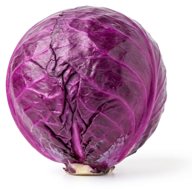 Purple cabbage
Use the same weight, shred as usual. It cooks similarly but bleeds colour into the dish and is slightly firmer; add 2–3 minutes more if needed.


 Peanut oil
Use 1:1 by weight. Handles high-heat frying identically and introduces a very subtle, pleasant nuttiness.
 Ghee
Use 1:1 by weight. Yields a much richer, authentic aroma and a glossy, heavier mouthfeel.
 Mustard oil
Use 1:1 by weight. Heat until smoking, then cool slightly before cooking to temper its intensely pungent, sharp mustard kick.


 Ground cumin
Use 70% of the weight; add with ground spices or sauce bases rather than hot oil tempering, where it scorches quickly and turns bitter.
 Black cumin seeds
Use equal weight for oil tempering. Delivers an earthy profile with an additional musky, smoky, and slightly bitter edge.
 Fennel seed
Use 60% of the weight for tempering; offers comparable warm aroma, but leans sweet and liquorice-like rather than savoury and earthy.


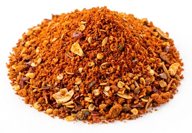
 Red chilli paste
Use the same weight and stir in 1 crushed garlic clove per 2 tbsp. It is looser and fresher than chutney.
 Chilli paste
Use the same weight plus 1/4 tsp garlic paste per tbsp. Add salt and a little vinegar to mimic chutney.
 Garlic pickle
Use half the weight, chopped. It is saltier and oilier, so reduce added salt and oil.


 Peanut
Dry-roast raw peanuts until spotted and fragrant; use the same weight.
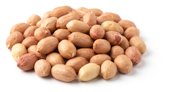 Shelled peanut
Roast and rub off skins; use the same weight.
 Roasted cashew nut
Use the same weight for a milder crunch; less earthy, so adjust salt.


 Plain yoghurt
Use the same weight; stir in 1 teaspoon toasted sesame seed per 100 g and a pinch of salt.
 Yoghurt
Use the same weight; stir in toasted sesame seed and salt as above.
 Tahini paste
Use about 5 g tahini per 100 g plain yoghurt; stir well, as it adds sesame flavour without seeds.


Similar dishes

- Same: Kosu Podi shares cabbage, vegetable oil, cumin seed, salt, and a garlic-chilli heat element with this dish.
- Different: Kosu Podi is a stir-fry with chana dal, urad dal, onion, coriander leaf, green chilli, and fresh coconut, while this dish is grilled cabbage with chutney, peanuts, and sesame raita.

- Same: Karam Kalle ka Raita shares cabbage, cumin seed, peanuts, chilli and a yoghurt/raita element with this dish.
- Different: Karam Kalle ka Raita mixes crisp cabbage into plain yoghurt with green chilli, chilli powder, coriander and sugar, using only 3 g peanuts; this dish grills hispi cabbage in vegetable oil with cumin and salt and serves it with chilli garlic chutney, 100 g crushed peanuts and sesame raita.

- Same: Maharashtrian Kobichi Bhaji shares with this dish a cabbage base, cumin seed, vegetable oil and salt.
- Different: Maharashtrian Kobichi Bhaji is a stovetop stir-fry with green peas, asafoetida, turmeric, curry leaves and dried red chilli, while this dish grills hispi cabbage and adds chilli garlic chutney, peanuts and sesame raita.

- Same: Bandhkopir Torkari and this dish both cook cabbage in vegetable oil and season it with spices, and both include some chilli warmth and a fresh finish.
- Different: Bandhkopir Torkari is a dry stir-fry of white cabbage with panch phoron, onion, ginger, Kashmiri chilli or paprika, lemon juice and coriander, while this dish grills hispi cabbage with cumin and salt and serves it with chilli garlic chutney, crushed peanuts and sesame raita.