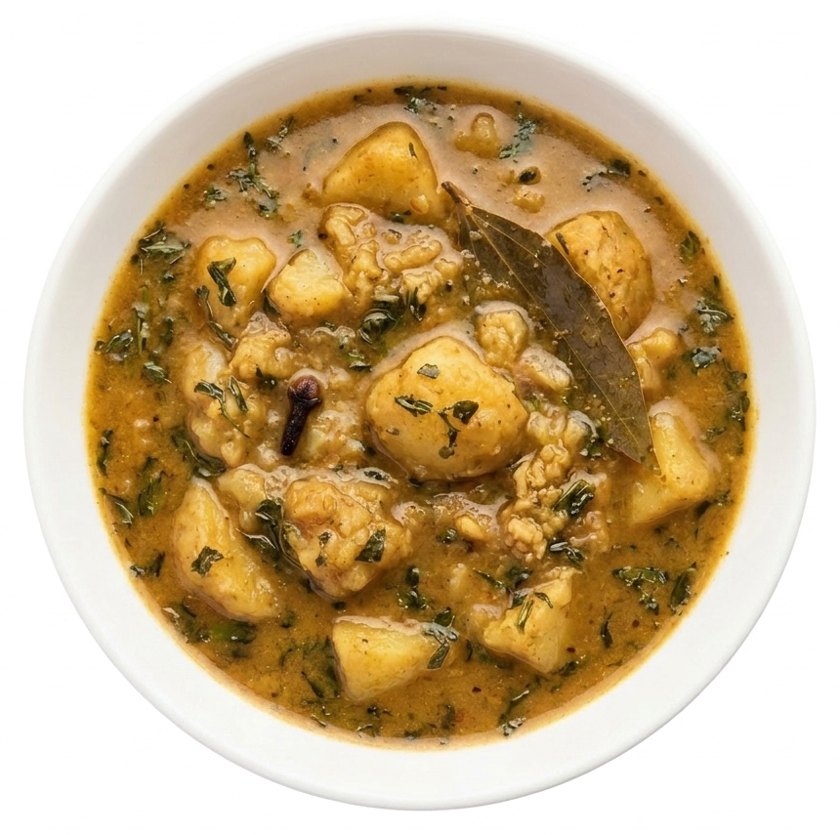
Aloo ki Tarkari
A comforting potato curry featuring roughly crushed potatoes simmered in a light, tangy spiced broth scented with dried fenugreek.
Whole spices for the oil
1.2 gBloomed in the hot oil (step 3)Ground spices for the sauce
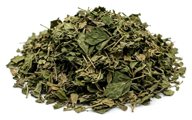
7 gMixed with water and fried with ginger (step 3)Dried fenugreek leaves
6 gSoaked and added at the end (step 5)Everything else

Method
- Place 500 g potato in a large saucepan of boiling water and boil for about 20 minutes until completely tender. Drain and leave until cool enough to touch, then peel off the skins and roughly crush the potatoes in the pan.
- Submerge the dried fenugreek leaves in a small dish of water for several minutes, then drain thoroughly and crush them between your fingers. Mix the ground spices for the sauce with 15 g water in a small ramekin until smooth.
- Heat 114 g vegetable oil in a deep frying pan or wok over medium heat. Add the whole spices for the oil and sizzle for about 1 minute until fragrant. Add 24 g ginger along with the ground spices for the sauce and fry for 30 seconds.
- Pour in 1000 g water and bring the liquid to a boil.
- Fold in the mashed potatoes and season to taste with salt. Lower the heat and simmer for roughly 8 minutes until the gravy reaches the desired thickness, then mix through the prepared dried fenugreek leaves and remove from the heat.
Don't have something?

 Eggplant
Use equal weight. Cut into large chunks; cooks down much faster (10-12 minutes) and softens into the sauce rather than staying starchy and firm.
 Paneer
Use 80% of the weight. Cube and add in the last 5-10 minutes of cooking; adds rich dairy protein instead of starchy bulk.
 Dried chickpea
Use 45% dry weight. Soak overnight and boil until fully soft before stirring into the sauce to simmer for 10 minutes.


 Ground fenugreek
Use 20% of the weight; stir in during tempering rather than crushing over at the end, and be cautious as it turns bitter easily.
 Fenugreek seeds
Crush lightly and fry in the initial oil tempering, using 25% of the weight; provides bitter notes but lacks leafy aroma.


 Ground ginger
Use 50% of the weight. Mimics turmeric's warm, earthy, rhizome background, but provides none of the golden-yellow colour.
 Saffron
Steep a tiny pinch (0.1 g per 2 g turmeric) in 2 tbsp warm water; use to match the rich golden hue. Contributes an aristocratic, honeyed floral flavour rather than earthy bitterness.


 Cumin seed
Dry-roast briefly and grind finely; use equal weight (1:1). Imparts an even punchier, nuttier, toasty aroma than pre-ground cumin.
 Ground coriander
Use equal weight (1:1). Adds mild, lemony sweetness rather than cumin's smoky, earthy bite; curries will taste lighter and less savoury.
 Black cumin seeds
Grind finely; use 60% to 75% of the weight. Produces a darker, more complex, smoky-herbal flavour suited to rich gravies.


 Dried kashmiri chilli
Grind deseeded dried pods to an equal weight of powder; gives identical vivid red colour and gentle warmth.
 Red chilli powder
Use 25% of the weight mixed with sweet paprika for colour; straight red chilli powder is substantially hotter and will make the dish fiery.
 Chilli powder
Use one-third of the weight; the sauce will be less intensely red and notably sharper in heat.


 Lemon juice
Use 15 g (1 tbsp) for every 5 g of amchoor. Stir in at the very end off the heat; adds liquid and fresh citrus aroma rather than dry fruity tang.
 Tamarind extract
Use 75% of the weight, dissolved in a splash of warm water. Simmer briefly; darkens the gravy and provides a deeper, caramelised sourness.


 Peanut oil
Use 1:1 by weight. Handles high-heat frying identically and introduces a very subtle, pleasant nuttiness.
 Ghee
Use 1:1 by weight. Yields a much richer, authentic aroma and a glossy, heavier mouthfeel.
 Mustard oil
Use 1:1 by weight. Heat until smoking, then cool slightly before cooking to temper its intensely pungent, sharp mustard kick.


 Garlic powder
Use double the weight. Stir into hot oil just before adding wet ingredients; mimics the allium savoury background without the sulphurous edge.
 Garlic paste
Use 2 g for every 0.5 g of asafoetida. Sauté in oil until the raw smell clears; adds moisture and sweet allium depth.


 Ground cloves
Use 1 g ground for 4 g whole (or 1 small pinch per 2 to 3 whole cloves). Add with spice powders; disperses intense warmth quickly, so use with restraint.
 Allspice berries
Use 100% of the weight whole in tempering. Imparts a warm, clove-like aromatic profile combined with hints of nutmeg and cinnamon.
 Black cardamom pod
Use 1 pod for 3 to 4 cloves in whole tempering. Shares a camphor-like warmth and medicinal depth, though it introduces a distinct smoky undertone.


 Cinnamon stick
Use a 2 cm piece (about 1 g) for every 1 to 2 bay leaves. Fry in whole-spice temperings; provides the cassia-like warmth typical of Indian tejpatta.
 Ground cinnamon (cassia)
Use 0.5 g per leaf. Stir into the sauce during simmering; gives the same warm woodiness but darkens the colour slightly.


 Fresh ginger
Use equal weight; scrape off the skin and grate or finely julienne according to the recipe.
 Ginger paste
Use equal weight; stir straight into the sizzling aromatics, taking care as the extra moisture may spit.
- Ground ginger
Use 15 to 20% of the weight; add alongside ground spices, noting it imparts warm, dry heat rather than zesty freshness.


Similar dishes
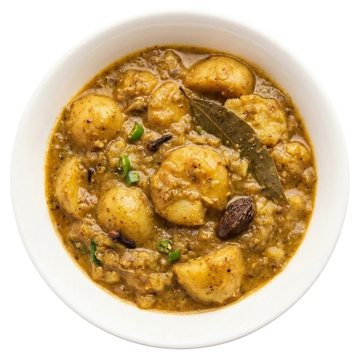
- Same: Chharra Aloo and this dish are both potato curries with gently crushed potatoes simmered in a tangy spiced sauce. Both use amchoor as the souring agent, along with turmeric, cumin, bay leaf, clove, chilli, and salt.
- Different: Chharra Aloo uses ghee instead of vegetable oil and adds black cardamom, green chilli, ground aniseed, ground coriander, black pepper, and garam masala. It lacks this dish's kasuri methi, asafoetida, ginger, and Kashmiri chilli powder, and it uses more amchoor but much less fat.
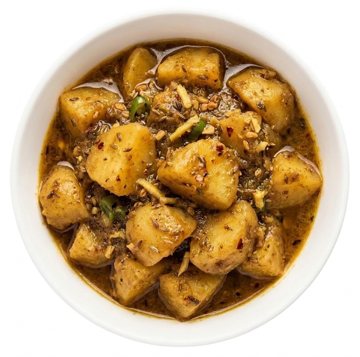
- Same: Like this dish, Khatte Aloo uses potatoes seasoned with turmeric, chilli powder, clove, ginger, asafoetida, and amchoor for acidity.
- Different: Khatte Aloo cooks potato chunks in pungent mustard oil rather than vegetable oil, incorporates green chillies, cumin, coriander, and fenugreek seeds, and omits the bay leaf and kasuri methi used in this brothy dish.
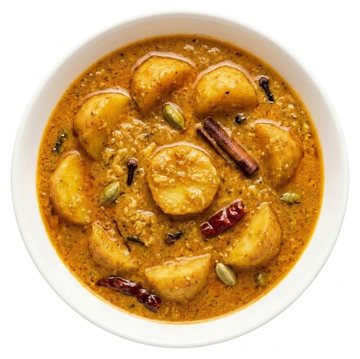
- Same: Aloo Dum also centers on potatoes seasoned with ginger, turmeric, asafoetida, bay leaf, and cloves.
- Different: Aloo Dum cooks fried potatoes in ghee with a rich base of yogurt, khoya, milk, sugar, cardamom, and cinnamon, omitting this dish's vegetable oil, amchoor, and kasuri methi.
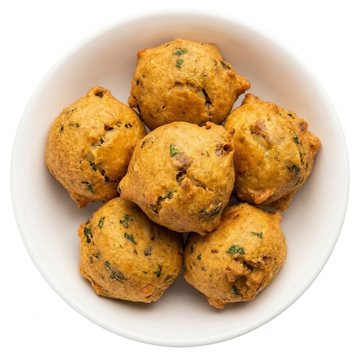
- Same: Batata Vada shares potato, vegetable oil, asafoetida, turmeric, cumin, and salt with this dish.
- Different: Batata Vada adds garlic paste, ginger paste, green chilli paste, lemon juice, coriander leaf, and a gram flour batter and is deep-fried, while this dish uses kasuri methi, Kashmiri chilli powder, amchoor, clove, bay leaf, and ginger and is simmered as a light broth.