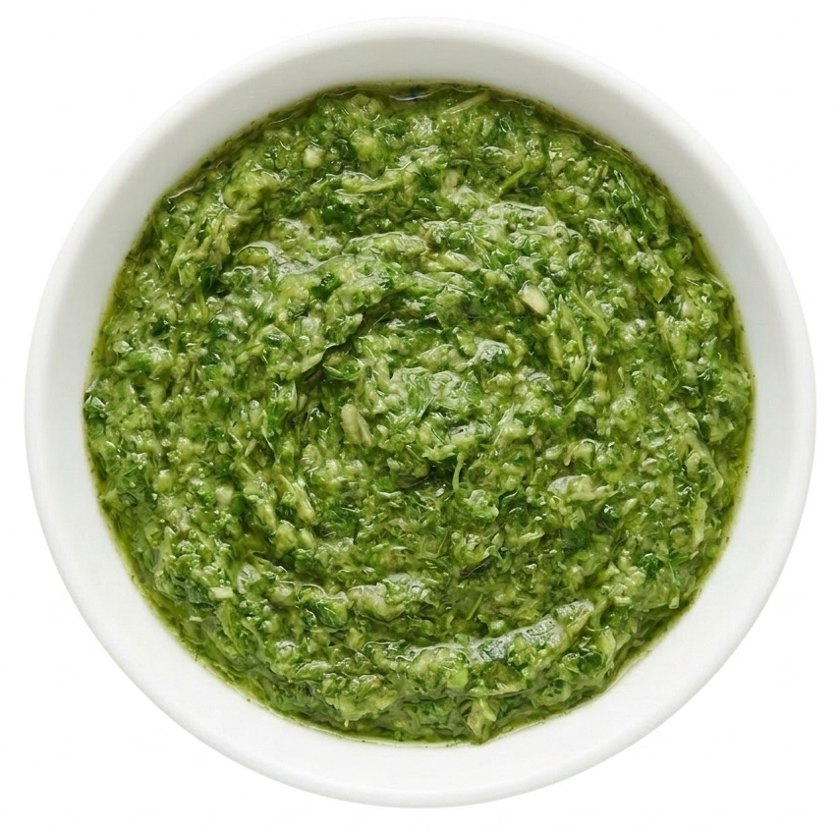
Wild Garlic Chutney
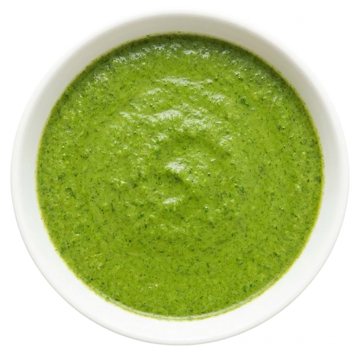
A vivid green chutney made from coriander, wild garlic, chilli, ginger and garlic, loosened with oil and sharpened with lemon. It tastes fresh, pungent and gently hot, with sugar and salt balancing the bite.
Ingredients

Method
- Put 500 g coriander leaves and stems, 500 g wild garlic leaf, 24 g green chilli, fresh ginger to taste and 6 g garlic into a blender.
- Start the blender and drizzle in 183 g vegetable oil in a slow stream, blending until the mixture is smooth.
- Add 76.5 g lemon juice, then season with caster sugar and sea salt to taste and blend briefly to combine.
- Keep refrigerated and use within a week.
Don't have something?


 Coriander (cilantro) or basil
Use the same weight, choosing the coriander element if available. If only basil is available, expect a sweeter, more aniseed flavour.
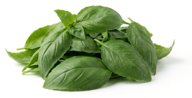 Basil leaves
Use the same weight. Basil is sweeter and more aromatic in a different way; add near the end so it keeps its perfume.
 Coriander paste
Use 1.5 times the weight and reduce other liquid slightly; it is less fresh and more concentrated, so taste before adding more.


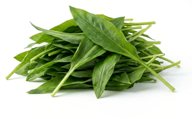
 Spinach
For 20 g wild garlic leaf use 20 g spinach plus 2 g crushed garlic. Add raw or fold in at the end; the garlic is sharper, so use less if unsure.
 Spring onion green
Use the same weight, finely sliced, and add near the end. It gives a mild green allium note but no real garlic flavour.
- Basil leaves
Use the same weight as a leafy herb, plus a pinch of crushed garlic if wanted. It changes the aroma to sweet basil rather than wild garlic.


 Chilli powder
Use 10 to 15% of the weight (about 1/4 teaspoon per chilli); imparts dry pungent heat and reddens the dish without the grassy crunch.
 Dried red chilli
Use 1 dried pod per fresh green chilli; snap in half and temper in hot oil for a deeper, toastier heat.


 Ginger paste
Use equal weight. Sauté in hot fat until the raw allium smell disappears; slightly wetter, but provides identical warmth and pungency.
 Ground ginger
Use 20% to 25% of the weight (1 g for every 4 to 5 g fresh). Stir into the gravy; adds peppery heat and warmth, though it misses the crisp, zesty kick of raw root.



 Garlic paste
Use equal weight. Fry gently in oil or ghee with the ginger; incorporates smoothly into curries without visible minced bits.
 Garlic powder
Use 15% to 20% of the weight (about 1 g for every 5 to 6 g fresh cloves). Whisk into sauces; gives a savoury, toasted garlic flavour without raw pungency.
 Shallot
Use 1.5 times the weight, very finely minced. Sauté until golden; provides savoury allium sweetness, though it lacks garlic's pungent sulphur bite.


 Peanut oil
Use 1:1 by weight. Handles high-heat frying identically and introduces a very subtle, pleasant nuttiness.
 Ghee
Use 1:1 by weight. Yields a much richer, authentic aroma and a glossy, heavier mouthfeel.
 Mustard oil
Use 1:1 by weight. Heat until smoking, then cool slightly before cooking to temper its intensely pungent, sharp mustard kick.


 Lime juice
Use equal volume or weight; delivers almost identical sharp acidity with a faintly more aromatic, bitter-edged profile.
 Dried mango powder
Use 25% of the weight (about 1 g amchoor for 4 g juice); provides clean fruity tartness without thinning the sauce.
 White vinegar
Use 75% of the volume; gives direct sourness without any citrus floral fragrance.


 Granulated sugar
Use the same weight. It is slightly coarser, so stir a little longer to dissolve; in baking, grind briefly if a fine texture matters.
 Demerara sugar
Use the same weight, but dissolve it earlier as it is coarser. It adds a light caramel note and a little colour.
 Ground jaggery or soft brown sugar
Use the same weight; crush or grate jaggery first. It darkens the dish and adds molasses flavour, so reduce other liquid slightly.


Similar dishes
- Same: Coriander Chutney shares this dish's coriander-leaf base, vegetable oil, fresh ginger, green chilli, garlic, lemon juice, caster sugar and sea salt. It is also a bright green raw chutney loosened with oil and sharpened with lemon.
- Different: Coriander Chutney lacks this dish's 500 g wild garlic leaf. It uses 12 g garlic instead of 6 g, 12 g green chilli instead of 24 g, and 91.8 g lemon juice instead of 76.5 g.
- Same: Coriander & Mint Chutney shares coriander, green chilli, ginger, garlic, lemon juice, vegetable oil, sugar and salt with this dish, and both are blended fresh green chutneys.
- Different: Coriander & Mint Chutney uses 500 g mint leaf instead of this dish's 500 g wild garlic leaf, and it uses 1000 g coriander leaves compared with this dish's 500 g; it has no wild garlic.

- Same: Both use coriander leaves, garlic and vegetable oil, and both are seasoned with sea salt.
- Different: Burani Raita is built on yogurt with roasted garlic, cumin and black pepper, while this dish lacks yogurt, cumin and black pepper and instead uses wild garlic, green chilli, ginger, lemon juice and sugar.

- Same: Sarson Ki Chutney shares garlic, green chilli, caster sugar, salt and vegetable oil with this dish, and both are pungent chutneys balanced with sweetness and salt.
- Different: Sarson Ki Chutney is built on black mustard seed and Greek yoghurt with a turmeric-infused oil poured over, while this dish uses coriander, wild garlic, ginger and lemon juice and has no mustard seed, yoghurt or turmeric.