
Tulsi ke Tikke
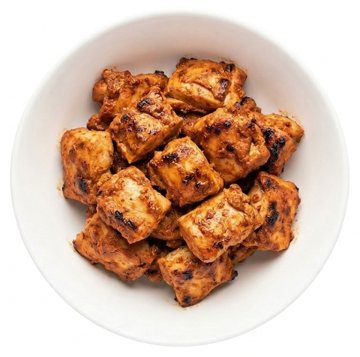
Tender skewered chicken pieces coated in a fragrant green paste of fresh basil, cashews, garlic, and green chillies. The flavour is bright and herbal with a mild warmth and subtle tang.
Marinade spice
3.9 gStirred into the puréed herb paste (step 2)Everything else

Method
- Cover 2 tbsp cashew nuts with warm water and let them soften for 30 minutes, then drain thoroughly.
- Place the drained cashews, 4.8 g ginger, 18–21 g garlic, 100 g basil leaves, 6 g green chilli, and 1 tbsp of the oil (from 2 tbsp total) into a blender. Purée until smooth, transfer to a mixing bowl, and blend in the marinade spice along with 1.5 tsp chaat masala.
- Coat 500 g diced chicken evenly in the herb paste. Mix in salt to taste and the remaining 1 tbsp oil. Cover the dish and let it rest in the fridge for a minimum of 4 hours.
- Set an oven to 190°C (375°F), or bring a grill, tandoor, or barbecue to medium heat.
- Slide the marinated chicken onto metal skewers. Cook over the grill, tandoor, or barbecue for 12 minutes, or roast in the preheated oven for 15 minutes until fully cooked.
Don't have something?


 Boneless chicken thigh
Use the same weight if boneless is needed; cooks 5–10 minutes faster than bone-in. Juicy and forgiving.
 Chicken leg
Use the same weight; bone-in and larger, so add 5–10 minutes. Similar richness.
 Chicken breast
Use the same weight; much leaner and drier, so reduce cooking time by 5–10 minutes and do not overcook.


 Almond
Use 100% of the weight. Soak in boiling water and slip off skins before frying or grinding; gives a lighter, slightly less sweet richness to curries.
 Poppy seed
Use 60% of the weight for gravies. Soak in warm water and grind into a fine paste to thicken royal kormas without adding heavy oiliness.
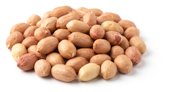 Shelled peanut
Use 100% of the weight. Roast, skin, and grind; creates a thicker, earthier texture typical of Maharashtrian and western Indian curries.


 Fresh ginger
Use equal weight; scrape off the skin and grate or finely julienne according to the recipe.
 Ginger paste
Use equal weight; stir straight into the sizzling aromatics, taking care as the extra moisture may spit.
 Ground ginger
Use 15 to 20% of the weight; add alongside ground spices, noting it imparts warm, dry heat rather than zesty freshness.



 Garlic paste
Use equal weight. Fry gently in oil or ghee with the ginger; incorporates smoothly into curries without visible minced bits.
 Garlic powder
Use 15% to 20% of the weight (about 1 g for every 5 to 6 g fresh cloves). Whisk into sauces; gives a savoury, toasted garlic flavour without raw pungency.
 Shallot
Use 1.5 times the weight, very finely minced. Sauté until golden; provides savoury allium sweetness, though it lacks garlic's pungent sulphur bite.


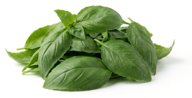 Basil leaves
Use the same weight; this is the same herb, so flavour is unchanged.
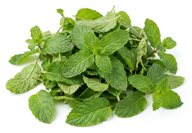 Mint leaves
Use the same weight; stronger and cooler, so add at the end and use a little less if you want a mild result.
 Coriander leaves
Use the same weight; milder and softer, add at the end.


 Chilli powder
Use 10 to 15% of the weight (about 1/4 teaspoon per chilli); imparts dry pungent heat and reddens the dish without the grassy crunch.
 Dried red chilli
Use 1 dried pod per fresh green chilli; snap in half and temper in hot oil for a deeper, toastier heat.


 Vegetable oil
Use the same weight. It is neutral and behaves the same in frying and tempering; no noticeable change in flavour.
 Corn or vegetable oil
Use the same weight. Neutral and good for high heat; the dish will taste virtually the same.
 Groundnut oil
Use the same weight. It has a mild nutty flavour and is good for Indian cooking; heat until just hot, not smoking, so the nuttiness does not dominate.


 Ground cumin
Use 50% of the weight mixed with equal parts ground coriander and a pinch of ground cinnamon, ground cloves, and ground green cardamom. Sprinkle near the end for a warming finish.
 Lentil stew spice mix
Use 75% of the weight. Simmer briefly in the gravy; imparts roasted warmth and complexity, though it adds a slight tang and earthy lentil undertone.


 Tandoori snack spice mix
Use the same weight; taste first as it can be smokier and saltier. Add lime or amchoor if the dish needs more tang.
 Dried mango powder
Use about half the weight, mixed with black salt and a pinch of ground cumin. It gives tang and saltiness but lacks the minty, asafoetida notes.
 Black salt
Use about half the weight and add lime juice to taste. It gives the salty, sulphurous edge but not the full tangy blend.


Similar dishes

- Same: Murgh Malai Tikka shares chicken thigh, garlic, ginger, green chilli, garam masala and chaat masala with this dish, and both are skewered tikka-style.
- Different: Murgh Malai Tikka uses yoghurt, double cream, cheddar cheese, butter and malt vinegar, while this dish uses oil, cashews and basil; it lacks basil and cashews and adds dairy, cornstarch and coriander leaf.

- Same: Haryali Murgh Tikka shares chicken thigh, garlic, ginger, green chilli, garam masala and chaat masala with this dish, and both are grilled skewers.
- Different: Haryali Murgh Tikka adds Greek yoghurt, lime, butter, turmeric, black pepper, mint, coriander and green bell pepper, and it lacks this dish's basil, cashews and oil.

- Same: Anardana Murgh shares chicken thigh, garlic, ginger, green chilli, garam masala, oil, and salt with this dish, and both use a spiced marinade before cooking.
- Different: Anardana Murgh uses pomegranate powder as its souring agent and cooks with white onion, Kashmiri chilli powder, ground coriander, and water or stock, while this dish uses a basil, cashew, garlic, and green chilli paste and is skewered; Anardana Murgh lacks basil, cashews, and chaat masala.
- Same: Tandoori Chicken Tikka shares chicken thigh, garlic, ginger, garam masala, chaat masala and salt with this dish, and both are grilled as small pieces.
- Different: Tandoori Chicken Tikka uses a greek yoghurt marinade with lime, butter, chickpea flour, kashmiri chilli powder, ground coriander, cinnamon, saffron, dried fenugreek leaf and sugar, while this dish lacks those and instead uses basil, cashews, green chilli and oil.