
Tamarind Rice
Tamarind rice is a tangy, nutty rice dish in which cooled basmati is tossed with a tamarind-jaggery sauce, whole mustard spices and crushed roasted peanuts. It tastes sour, sweet, savoury and mildly spicy.
Whole spices for the oil
7 gAdded to the hot oil at the start (step 2)Chilli powder for the tamarind
0.7 gStirred in after the peanuts (step 3)Everything else

Method
- Heat 27 g vegetable oil in a wide pan over medium heat.
- Add the whole spices for the oil (3.5 g black mustard seed, 0.3 g asafoetida, 4 g dried mild red chilli) and 9 g roasted peanut, lightly crushed; fry for 1 minute.
- Stir in the chilli powder for the tamarind (0.7 g kashmiri chilli powder), 2–2.5 g curry leaf, 18 g tamarind paste mixed with 3 tbsp water, and 9 g light soft brown sugar or jaggery.
- Turn off the heat.
- Add 350 g basmati rice, cooked and cooled, and mix thoroughly.
- Season to taste with salt and serve warm.
Don't have something?


 Peanut oil
Use 1:1 by weight. Handles high-heat frying identically and introduces a very subtle, pleasant nuttiness.
 Ghee
Use 1:1 by weight. Yields a much richer, authentic aroma and a glossy, heavier mouthfeel.
 Mustard oil
Use 1:1 by weight. Heat until smoking, then cool slightly before cooking to temper its intensely pungent, sharp mustard kick.


 Mustard seeds
Use equal weight. Pop in hot fat until they crackle and turn greyish; yields an almost identical nutty, pungent finish.
 Yellow mustard seeds
Use equal weight. Fry over medium heat; delivers a milder, sweeter pop and turns bitter quickly if the oil is excessively hot.


 Garlic powder
Use double the weight. Stir into hot oil just before adding wet ingredients; mimics the allium savoury background without the sulphurous edge.
 Garlic paste
Use 2 g for every 0.5 g of asafoetida. Sauté in oil until the raw smell clears; adds moisture and sweet allium depth.


 Dried kashmiri chilli
Use the same weight; similar mild heat and good colour. Remove seeds if you want it milder.
 Kashmiri red chilli powder
Use half the weight of whole chilli (1 g powder for 2 g whole); add to hot oil briefly so it does not burn.
 Paprika
Use the same weight; sweeter and milder, good for colour. Add a pinch of cayenne pepper if you need heat.


 Peanut
Dry-roast raw peanuts until spotted and fragrant; use the same weight.
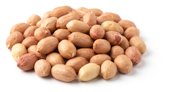 Shelled peanut
Roast and rub off skins; use the same weight.
 Roasted cashew nut
Use the same weight for a milder crunch; less earthy, so adjust salt.


- Dried kashmiri chilli
Grind deseeded dried pods to an equal weight of powder; gives identical vivid red colour and gentle warmth.
 Red chilli powder
Use 25% of the weight mixed with sweet paprika for colour; straight red chilli powder is substantially hotter and will make the dish fiery.
 Chilli powder
Use one-third of the weight; the sauce will be less intensely red and notably sharper in heat.


 Bay leaf
Fry 1 bay leaf for every 5 curry leaves in hot oil; imparts a warm, woodsy background note, but misses the citrus-sulphury punch entirely.
 Lime juice
Add a small squeeze (about 5 ml per sprig of curry leaves) right before serving; provides sharp citrus top notes without the toasty, herbal aroma.


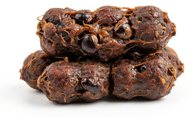 Tamarind pulp
Use 120–150% of the weight and strain; pulp is less concentrated, so simmer a little longer to thicken.
 Tamarind extract
Use 150–200% of the weight and reduce gently; extract is already diluted.
- Lime juice
Use 60–70% of the weight with a pinch of jaggery; sharper, so add near the end off the heat.


 Jaggery
Use the same weight, grated or chopped. It is deeper and more mineral, so the dish will taste stronger.
 Light brown sugar
Use the same weight. It is close in colour and mild molasses; dissolve fully.
- Dark brown sugar
Use 85–90% of the weight. It is stronger and darker, so reduce slightly and taste.


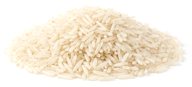
 Plain boiled rice
Use 2.5 times the weight if substituting pre-cooked rice. Fold in gently at the end of the recipe; grains will be shorter and less fragrant.

Similar dishes

- Same: Chintakaya Pulihora shares with this dish a tamarind-jaggery rice base flavored with vegetable oil, mustard seed, curry leaf, asafoetida, dried red chilli and peanuts.
- Different: It adds dried coconut, chana dal, fenugreek, cumin, coriander seeds and turmeric and uses tamarind extract, while this dish uses tamarind paste and Kashmiri chilli powder.

- Same: Rasam Rice shares tamarind paste, vegetable oil, black mustard seed, curry leaves, asafoetida and kashmiri chilli powder with this dish.
- Different: Rasam Rice is a thin toor dal and tomato broth with ginger, green chilli, turmeric, peppercorn and coriander leaf, while this dish is tossed basmati rice with jaggery and crushed roasted peanuts.
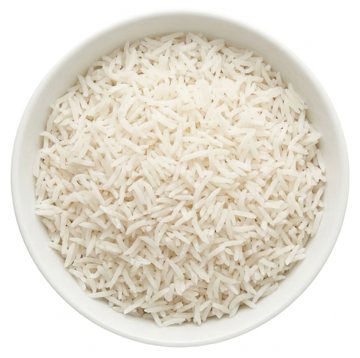
- Same: Basic Rice Recipe shares basmati rice and salt with this dish.
- Different: Basic Rice Recipe lacks the vegetable oil, black mustard seed, asafoetida, dried mild red chilli, roasted peanut, Kashmiri chilli powder, curry leaf, tamarind paste, and jaggery used in this dish, and it is cooked by the absorption method rather than tossed with a tamarind-jaggery sauce and tempered spices.
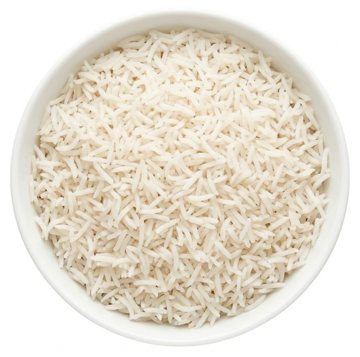
- Same: Plain Rice and this dish both use basmati rice and salt as core ingredients.
- Different: Plain Rice has only basmati rice, water and salt, while this dish adds oil, black mustard seed, asafoetida, dried red chilli, roasted peanuts, kashmiri chilli powder, curry leaf, tamarind paste and jaggery, and it is tossed with a tamarind-jaggery sauce rather than simply steamed.