
Simple Pulao
A quick, lightly spiced rice pilaf with toasted cashews and green peas. It is fragrant and mild, with crunch from the cashews and sweetness from the peas.
Whole spices for the oil
2.4 gAdded to the hot oil before the cashews (step 2)Ground turmeric for the rice
1.5 gStirred in after the cashews begin to colour (step 4)Everything else

Method
- Spread 160 g cooked rice on a plate or tray and let it cool fully. Loosen the grains with a fork and set aside.
- Heat 27 g vegetable oil in a wok or kadhai over medium heat. When hot, add the whole spices for the oil (2.1 g cumin seed and 0.3 g clove) and stir for a few seconds.
- Add 40 g cashew nut and fry for 30 seconds, until they start to colour.
- Stir in the ground turmeric for the rice (1.5 g ground turmeric), then add the rice. Reduce the heat and mix for 30 seconds.
- Add 70 g green pea and fry for another minute. Season with salt to taste.
- Turn off the heat and fold in coriander leaves to taste. Serve warm.
Don't have something?


 Cooked basmati rice
Use the same weight. It is more aromatic and holds its shape better; break up any clumps gently.
 Plain boiled rice
Use the same weight. It is plainer and may be softer; drain well and warm through without over-stirring.
 Steamed rice
Use the same weight. It is wetter and softer, so drain thoroughly and adjust any added liquid.


 Peanut oil
Use 1:1 by weight. Handles high-heat frying identically and introduces a very subtle, pleasant nuttiness.
 Ghee
Use 1:1 by weight. Yields a much richer, authentic aroma and a glossy, heavier mouthfeel.
 Mustard oil
Use 1:1 by weight. Heat until smoking, then cool slightly before cooking to temper its intensely pungent, sharp mustard kick.


 Ground cumin
Use 70% of the weight; add with ground spices or sauce bases rather than hot oil tempering, where it scorches quickly and turns bitter.
 Black cumin seeds
Use equal weight for oil tempering. Delivers an earthy profile with an additional musky, smoky, and slightly bitter edge.
 Fennel seed
Use 60% of the weight for tempering; offers comparable warm aroma, but leans sweet and liquorice-like rather than savoury and earthy.


 Ground cloves
Use 1 g ground for 4 g whole (or 1 small pinch per 2 to 3 whole cloves). Add with spice powders; disperses intense warmth quickly, so use with restraint.
 Allspice berries
Use 100% of the weight whole in tempering. Imparts a warm, clove-like aromatic profile combined with hints of nutmeg and cinnamon.
 Black cardamom pod
Use 1 pod for 3 to 4 cloves in whole tempering. Shares a camphor-like warmth and medicinal depth, though it introduces a distinct smoky undertone.


 Almond
Use 100% of the weight. Soak in boiling water and slip off skins before frying or grinding; gives a lighter, slightly less sweet richness to curries.
 Poppy seed
Use 60% of the weight for gravies. Soak in warm water and grind into a fine paste to thicken royal kormas without adding heavy oiliness.
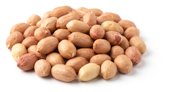 Shelled peanut
Use 100% of the weight. Roast, skin, and grind; creates a thicker, earthier texture typical of Maharashtrian and western Indian curries.


 Ground ginger
Use 50% of the weight. Mimics turmeric's warm, earthy, rhizome background, but provides none of the golden-yellow colour.
 Saffron
Steep a tiny pinch (0.1 g per 2 g turmeric) in 2 tbsp warm water; use to match the rich golden hue. Contributes an aristocratic, honeyed floral flavour rather than earthy bitterness.


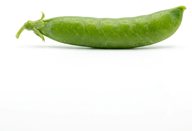


 Coriander (cilantro) or basil
Use the same weight, choosing the coriander element if available. If only basil is available, expect a sweeter, more aniseed flavour.
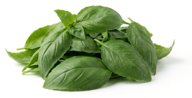 Basil leaves
Use the same weight. Basil is sweeter and more aromatic in a different way; add near the end so it keeps its perfume.
 Coriander paste
Use 1.5 times the weight and reduce other liquid slightly; it is less fresh and more concentrated, so taste before adding more.


Similar dishes

- Same: Jeera Peas Pulao shares rice, cumin seed, green peas, coriander, and salt with this dish, and both are mild rice pilafs.
- Different: Jeera Peas Pulao uses ghee instead of vegetable oil, raw basmati rice instead of cooked rice, and adds cinnamon, green cardamom, bay leaf, and sugar, while it lacks this dish's cashews, turmeric, and clove.

- Same: Jain-Style Mattar Paneer shares cashews, cumin seed, clove, turmeric, green peas, vegetable oil and coriander leaves with this dish.
- Different: Jain-Style Mattar Paneer adds paneer, tomato, tomato purée, Greek yoghurt, lemon juice, cassia bark, fennel seed, green cardamom, garam masala, Kashmiri chilli powder and ground coriander, and it is a thick gravy without onion or garlic rather than a rice pilaf.
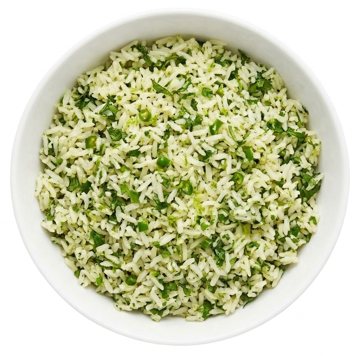
- Same: Lime and Coriander Rice shares cooked rice, vegetable oil, salt and coriander leaves with this dish.
- Different: Lime and Coriander Rice lacks cumin seed, clove, ground turmeric, cashew nut and green pea, and it adds green bird’s eye chilli, lime zest and lime instead.

- Same: Curd Rice shares cooked rice, vegetable oil, cumin seed, salt, and coriander leaves with this dish.
- Different: Curd Rice adds yogurt, green bird’s eye chilli, and curry leaf and lacks cashew nut, green pea, ground turmeric, and clove; it folds cooled rice into thinned yogurt with a whole-cumin tempering, while this dish is a quick pilaf with toasted cashews and peas.