
Jeera Peas Pulao
Jeera peas pulao is a simple basmati rice dish flavoured with whole cumin and warm spices, with sweet peas folded through ghee. It is mild, aromatic and easy to pair with other dishes.
Whole spices for the ghee
5 gAdded to the hot ghee before the peas (step 2)Everything else


Method
- Heat 26.4 g ghee in a heavy saucepan over medium heat.
- Add the whole spices for the ghee (2.1 g cumin seed, 1.3 g cinnamon stick, 0.7 g green cardamom pod, 0.4 g dried bay leaf) and let them sizzle for a few seconds.
- Add 80 g frozen pea and stir well.
- Stir in 0.3 g granulated sugar.
- Add 350 g cooked and cooled basmati rice and stir well.
- Season with salt to taste.
- Take the pan off the heat and scatter over chopped coriander leaf to taste.
- Remove the whole spices before serving.
Don't have something?


 Unsalted butter
Use 120% of the weight; melt gently over low heat to avoid burning the milk solids, which will yield a softer, creamier richness rather than a nutty aroma.
 Vegetable oil
Use 85% of the weight; holds high cooking temperatures without smoking, but the final dish will lack traditional dairy depth.
 Mustard oil
Use equal weight; heat to smoking point and cool slightly before cooking, bearing in mind it introduces an assertive, pungent edge.


 Ground cumin
Use 70% of the weight; add with ground spices or sauce bases rather than hot oil tempering, where it scorches quickly and turns bitter.
 Black cumin seeds
Use equal weight for oil tempering. Delivers an earthy profile with an additional musky, smoky, and slightly bitter edge.
 Fennel seed
Use 60% of the weight for tempering; offers comparable warm aroma, but leans sweet and liquorice-like rather than savoury and earthy.


 Ceylon cinnamon
True cinnamon: thinner, papery quills, milder and sweeter. Use about 1.5 times the weight, and taste.
 Ground cinnamon (cassia)
Use about a third of the weight (0.5 g ground for a 2.5 cm piece), stirred in with the ground spices rather than fried whole, since the powder burns quickly.
 Cassia buds
Use 60-70% of the weight; stronger and more peppery, so taste before adding more.


 Green cardamom seed
Use 35 to 40% of the total pod weight; lightly bruise the seeds before frying in oil to release their essential oils.
 Ground green cardamom
Use 20 to 25% of the pod weight (about 1 generous pinch per pod); stir in toward the end of cooking so the delicate floral notes do not dissipate.
 White cardamom pod
Use 1:1 by pod count or weight; crack gently before using, though it is slightly less intensely floral.


- Cinnamon stick
Use a 2 cm piece (about 1 g) for every 1 to 2 bay leaves. Fry in whole-spice temperings; provides the cassia-like warmth typical of Indian tejpatta.
- Ground cinnamon (cassia)
Use 0.5 g per leaf. Stir into the sauce during simmering; gives the same warm woodiness but darkens the colour slightly.




 Jaggery
Use equal weight; grate or shave finely so it dissolves rapidly, giving a warm, caramel-like sweetness and slightly darker sauce.

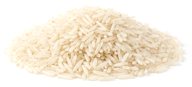
 Plain boiled rice
Use 2.5 times the weight if substituting pre-cooked rice. Fold in gently at the end of the recipe; grains will be shorter and less fragrant.


Similar dishes

- Same: Zarda Pulao shares basmati rice, ghee, cinnamon and green cardamom with this dish, and both are whole-spice rice pulaos.
- Different: Zarda Pulao adds saffron, fresh ginger, kewra water and yellow food colouring and uses 200 g sugar and 100 g ghee, while it lacks this dish's cumin seed, frozen peas, bay leaf and coriander leaf; neither lists a souring agent.

- Same: Simple Pulao shares cumin seed, green peas, coriander and salt with this dish, and both are mild, fragrant rice preparations.
- Different: Simple Pulao uses cooked rice and vegetable oil, adds cashews, clove and ground turmeric, and lacks this dish's ghee, basmati rice, cinnamon, green cardamom, bay leaf and sugar.

- Same: Tomato Pilau shares basmati rice and whole warm spices such as cumin seed, green cardamom and cinnamon stick with this dish.
- Different: Tomato Pilau uses vegetable oil instead of ghee, has no peas, and adds tomato purée, onion tomato masala, coriander seeds, star anise, fennel seed, lemongrass and kaffir lime leaf.
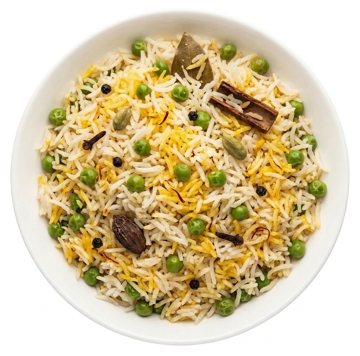
- Same: Matar Pulao shares basmati rice, green peas, ghee and whole warm spices such as cinnamon, cardamom and bay leaf with this dish.
- Different: Matar Pulao adds saffron, kewra or rosewater, lemon juice, onion, ginger paste, garlic paste, black cardamom, mace and black pepper and uses much more ghee, while this dish uses cumin, sugar and coriander leaf and has no onion-garlic base.