
Curd Rice (Indian Kitchen)
Curd rice is a creamy, cooling rice dish made by folding cooled rice into lightly thinned yogurt and a whole-cumin tempering with chilli and curry leaf. It tastes mild and tangy, with a warm cumin aroma.
Whole cumin for the oil
3.2 gAdded to the hot oil before the chillies and curry leaves (step 5)Everything else

Method
- Cool 160 g cooked rice completely and season with salt if needed.
- Fork the cooled rice lightly to loosen the grains and set aside.
- Whisk 200 g yogurt in a bowl with salt to taste and 30 ml water until slightly thinned; set aside.
- Heat 27 g vegetable oil in a heavy-based pan over medium heat.
- Add the whole cumin for the oil — 3.2 g cumin seed — and fry for 10 seconds.
- Add 4 g green bird’s eye chilli and 2.5 g curry leaf and stir for a few seconds.
- Add the 160 g cooked rice and stir on low heat for 1 minute, scraping the base so it does not stick.
- Turn off the heat, add the 200 g yogurt and stir through.
- Garnish with coriander leaves to taste and serve straight away.
Don't have something?


 Cooked basmati rice
Use the same weight. It is more aromatic and holds its shape better; break up any clumps gently.
 Plain boiled rice
Use the same weight. It is plainer and may be softer; drain well and warm through without over-stirring.
 Steamed rice
Use the same weight. It is wetter and softer, so drain thoroughly and adjust any added liquid.


 Plain yogurt
Use 100% of the weight. Whisk thoroughly until smooth before stirring into warm gravies to prevent curdling.
 Single cream
Use 90% of the weight combined with 10% lemon juice to replicate the lactic tang and rich body in marinades and curries.


 Peanut oil
Use 1:1 by weight. Handles high-heat frying identically and introduces a very subtle, pleasant nuttiness.
 Ghee
Use 1:1 by weight. Yields a much richer, authentic aroma and a glossy, heavier mouthfeel.
 Mustard oil
Use 1:1 by weight. Heat until smoking, then cool slightly before cooking to temper its intensely pungent, sharp mustard kick.


 Ground cumin
Use 70% of the weight; add with ground spices or sauce bases rather than hot oil tempering, where it scorches quickly and turns bitter.
 Black cumin seeds
Use equal weight for oil tempering. Delivers an earthy profile with an additional musky, smoky, and slightly bitter edge.
 Fennel seed
Use 60% of the weight for tempering; offers comparable warm aroma, but leans sweet and liquorice-like rather than savoury and earthy.


- Bird's eye green chilli
Use the same weight; heat and flavour are very close.
 Green chilli
Use 1.5 to 2 times the weight; deseed for less heat. Larger chillies are more watery.
 Fresh green chilli
Use 1.5 to 2 times the weight; chop finely and adjust heat by tasting.


 Bay leaf
Fry 1 bay leaf for every 5 curry leaves in hot oil; imparts a warm, woodsy background note, but misses the citrus-sulphury punch entirely.
 Lime juice
Add a small squeeze (about 5 ml per sprig of curry leaves) right before serving; provides sharp citrus top notes without the toasty, herbal aroma.


 Coriander (cilantro) or basil
Use the same weight, choosing the coriander element if available. If only basil is available, expect a sweeter, more aniseed flavour.
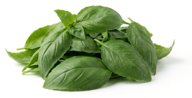 Basil leaves
Use the same weight. Basil is sweeter and more aromatic in a different way; add near the end so it keeps its perfume.
 Coriander paste
Use 1.5 times the weight and reduce other liquid slightly; it is less fresh and more concentrated, so taste before adding more.


Similar dishes
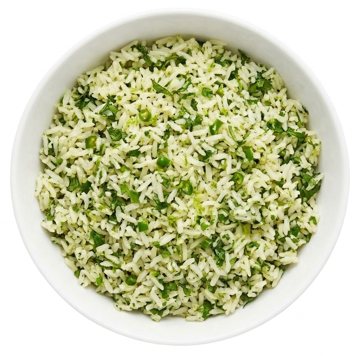
- Same: Lime and Coriander Rice shares cooked rice, vegetable oil, green bird’s eye chilli, coriander leaves and salt with this dish.
- Different: It lacks yogurt, cumin seed and curry leaf, uses lime zest and lime juice as the souring agent, and has less oil, chilli and coriander than this dish.

- Same: Curd Rice and this dish are both cooled-rice yogurt dishes finished with a curry-leaf and green-chilli tempering.
- Different: Curd Rice adds water, whole milk and white rice and tempers mustard seeds, urad dal, dried chilli and ginger, while this dish uses cooked rice, yogurt, cumin seed and coriander leaves and lacks mustard, urad dal, dried chilli and ginger.

- Same: Shallot & Ginger Raita shares yogurt, cumin seed, coriander leaves and salt with this dish.
- Different: Shallot & Ginger Raita uses thick Greek yoghurt with chopped banana shallot, fresh ginger, mint and caster sugar, and it lacks this dish’s rice, vegetable oil, green bird’s eye chilli and curry leaf, with cumin toasted rather than tempered in oil.

- Same: Pilau Rice shares rice and cumin seed with this dish.
- Different: Pilau Rice uses basmati rice, ghee, cumin seed and Indian bay leaf, while this dish uses cooked rice, yogurt, vegetable oil, green bird’s eye chilli, curry leaf and coriander leaves. Pilau Rice is cooked with whole spices until the grains are separate, while this dish folds cooled rice into thinned yogurt with a cumin tempering.