
Tilgul
Tilgul are round Indian sweets made from sesame seeds and jaggery, with toasted coconut and peanuts for crunch and cardamom for warmth. They are crisp outside and chewy within.
Sesame seeds
1000 gToasted first (step 1)Cardamom
2 gStirred in at the end (step 6)Everything else
Method
- Toast 1000 g white sesame seed in a dry frying pan over low heat for 1–2 minutes, until aromatic and lightly coloured, then tip out.
- Toast 30 g desiccated coconut in the same pan over low heat for about 2 minutes, until lightly browned, then tip out.
- Toast 70 g peanut with skins on over low heat for about 2 minutes, until coloured; remove the skins and crush.
- Put 500 g jaggery or soft brown sugar in a heavy pan and melt over low heat for 2 minutes.
- Add 4.4 g ghee and cook for 1–2 minutes more, until the mixture darkens slightly.
- Stir the sesame seeds, coconut and peanuts into the jaggery, then mix in the cardamom.
- Lightly oil your hands with vegetable oil and roll the hot mixture into small equal balls; it sets quickly.
- Place the balls on a tray and leave until cold and firm.
Don't have something?


 Sesame seeds
Use 100% of the weight. Toast lightly in a dry pan until fragrant; works identically in gravies, spice blends, and tadkas.
 Poppy seed
Use 80% of the weight, soaked in hot water and ground to a paste. Perfect for thickening kormas and royal gravies without altering the pale colour.
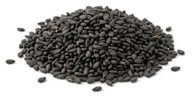 Black sesame seeds
Use 100% of the weight. It has an earthier, slightly more bitter flavour and will dramatically darken the dish.


 Grated desiccated coconut
Use equal weight directly; it is the identical ingredient under a different label.
 Fresh coconut
Grate finely and use 130% to 140% of the weight to compensate for higher moisture; toast gently in a dry pan over low heat if a dry texture is needed.
 Dried coconut
Grate finely using a microplane and use equal weight. Offers a slightly oilier, toastier coconut profile.


 Roasted peanut
Use the same weight; adjust salt if they are already salted, and crush or grind as the recipe asks.
 Cashew nut
Use the same weight; they are richer and softer, so roast for a shorter time and reduce added fat.
 Almond
Use the same weight; blanch and peel for sauces, or chop for texture. They are firmer and less oily.


 Granulated sugar
Use 80% of the weight. Granulated sugar is sweeter by weight, but gives a cleaner, one-dimensional sweetness that lacks jaggery's caramel, molasses depth.
 Raisin
Soak and blend into a paste; use 100% to 120% of the weight. Adds rich, natural, fruity sweetness with complex, dark molasses notes that thicken the gravy.


 Unsalted butter
Use 120% of the weight; melt gently over low heat to avoid burning the milk solids, which will yield a softer, creamier richness rather than a nutty aroma.
 Vegetable oil
Use 85% of the weight; holds high cooking temperatures without smoking, but the final dish will lack traditional dairy depth.
 Mustard oil
Use equal weight; heat to smoking point and cool slightly before cooking, bearing in mind it introduces an assertive, pungent edge.


 Green cardamom seed
Grind freshly extracted inner black seeds finely; use equal weight (1:1). Greatly superior aroma with potent eucalyptus and citrus notes.
 Green cardamom pod
Lightly crack whole pods and simmer them in the gravy; use 150% of the weight of ground cardamom. Fish out the pods before serving.
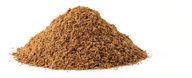 Ground nutmeg
Use 50% of the weight. Delivers warm, sweet aroma, but lacks cardamom's cooling, citrusy top notes.


 Peanut oil
Use 1:1 by weight. Handles high-heat frying identically and introduces a very subtle, pleasant nuttiness.
- Ghee
Use 1:1 by weight. Yields a much richer, authentic aroma and a glossy, heavier mouthfeel.
- Mustard oil
Use 1:1 by weight. Heat until smoking, then cool slightly before cooking to temper its intensely pungent, sharp mustard kick.

Similar dishes

- Same: Peanut Chutney shares sesame seeds and peanuts with this dish.
- Different: It uses lemon juice, Kashmiri chilli powder, caster sugar and sea salt and is blended into a thick chutney, while this dish uses jaggery, ghee, desiccated coconut and cardamom and is shaped into balls.
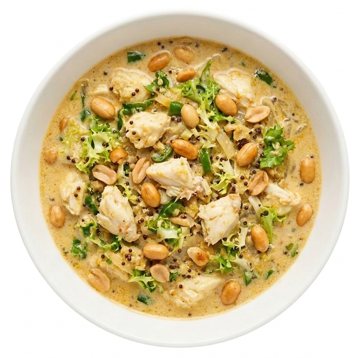
- Same: Both contain peanuts and coconut, but in different forms.
- Different: Cornish Crab Meen Moilee with Toasted Peanuts is a savory crab curry with lime juice, coconut milk, black mustard seed, curry leaf, turmeric, green chilli and ginger, while this dish is a sweet made from sesame seeds, jaggery, ghee and cardamom.

- Same: Nariyal ke Laddu shares with this dish a round Indian sweet-ball form and desiccated coconut as an ingredient.
- Different: Nariyal ke Laddu is made with khoya and butter and lacks this dish's sesame seeds, jaggery, peanuts, cardamom, ghee, and oil.

- Same: Khopra Paak shares with this dish a sweet Indian confection format, ground green cardamom, and coconut, though it uses fresh coconut while this dish uses desiccated coconut.
- Different: Khopra Paak is made with fresh coconut, heavy cream, granulated sugar, khoya, pistachios, and ghee or vegetable oil, while this dish is built on white sesame seeds, jaggery, desiccated coconut, peanuts, and ghee.