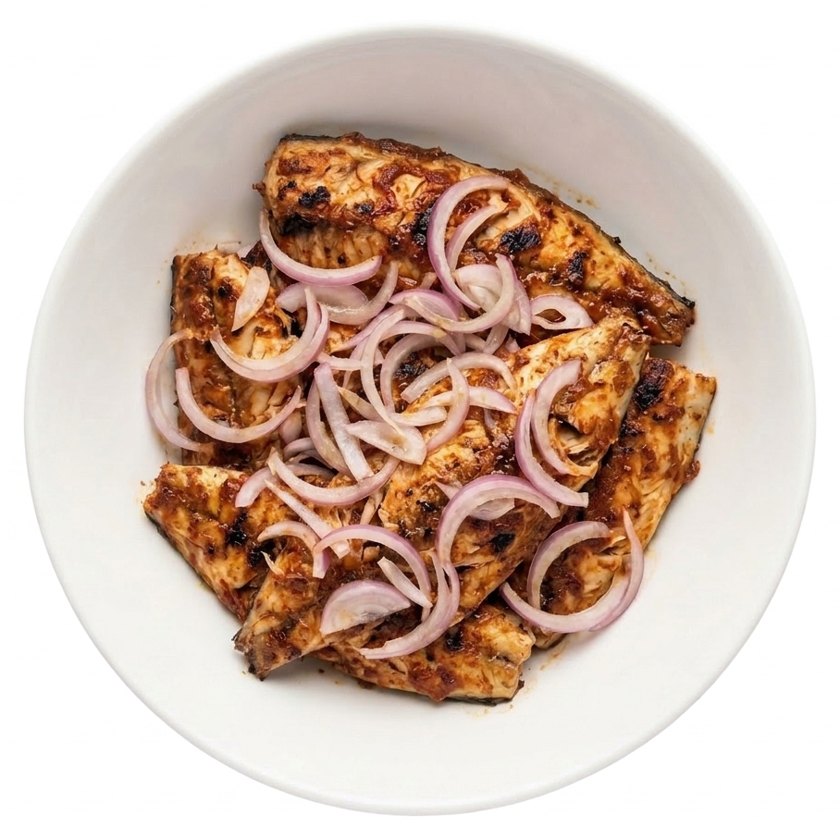
Masala Mackerel
Grilled mackerel fillets coated in a tangy tomato, lime and spice marinade, finished with fresh red onion. The fish is savoury and lightly spicy, with a bright citrus edge.
Marinade spices
3.6 gStirred into the marinade (step 4)Everything else

Method
- Heat the grill to medium-high and lightly oil a baking tray.
- Cut two or three shallow slashes through the skin of the 400 g mackerel fillets.
- In a bowl, stir together 31.2 g tomato purée, 9 g grated garlic, 1 g lime zest, 25 g lime juice, 13.5 g vegetable oil and salt to taste.
- Stir the marinade spices (2.5 g kashmiri chilli powder or mild paprika and 1.1 g coarsely ground cumin seed) into the bowl.
- Rub this marinade over both sides of the mackerel and set aside for 20 minutes.
- Lay the mackerel on the oiled tray and grill for 7-8 minutes, until cooked through.
- Sprinkle over 5.1 g lime juice and 75 g sliced red onion, then serve with chapattis and salad.
Don't have something?


 Vegetable oil
Use the same weight. It is neutral and behaves the same in frying and tempering; no noticeable change in flavour.
 Corn or vegetable oil
Use the same weight. Neutral and good for high heat; the dish will taste virtually the same.
 Groundnut oil
Use the same weight. It has a mild nutty flavour and is good for Indian cooking; heat until just hot, not smoking, so the nuttiness does not dominate.


 Pomfret or haddock fillet
Use the same weight. Pomfret is firmer and milder; haddock is leaner, so add a little oil if the recipe expects oily mackerel. Cook for about the same time.
 Firm white fish fillet
Use the same weight and cook 1–2 minutes less; it is less oily, so baste with oil or add a little coconut milk if the gravy needs richness.
 Whole mackerel
Use the same weight, cleaned and cut into steaks; allow a few extra minutes and watch for bones. The flavour is stronger and oilier.


 Lemon juice
Use equal volume or weight; slightly sweeter and less pungent, but otherwise an imperceptible swap.
 Dried mango powder
Use 25% of the weight; imparts dry, fruity sourness, best stirred in right at the end of cooking.
 Tamarind extract
Use 50% of the weight; delivers pleasant fruity tang but turns pale sauces considerably darker.


 Onion
Use the same weight; cook a little longer. Milder and less sweet when raw.
 Shallot
Use the same weight; sweeter and softer, so reduce cooking time slightly.
 Spring onion
Use only the white parts, weight for weight, for raw or quick-cooked dishes; green parts are too grassy for long cooking.


 Tomato
Use 200% to 250% of the weight. Finely grate or blend fresh tomatoes, then cook them down until the moisture evaporates and the oil separates.


 Kashmiri chilli powder
Use the same weight; this is the first half of the book's option and gives the best red colour with mild heat.
 Mild paprika
Use the same weight; add a pinch of cayenne pepper for warmth. Slightly less colour.
- Paprika
Use the same weight and add cayenne pepper to taste; works but is less aromatic.



 Garlic paste
Use equal weight. Fry gently in oil or ghee with the ginger; incorporates smoothly into curries without visible minced bits.
 Garlic powder
Use 15% to 20% of the weight (about 1 g for every 5 to 6 g fresh cloves). Whisk into sauces; gives a savoury, toasted garlic flavour without raw pungency.
- Shallot
Use 1.5 times the weight, very finely minced. Sauté until golden; provides savoury allium sweetness, though it lacks garlic's pungent sulphur bite.


 Ground cumin
Use 70% of the weight; add with ground spices or sauce bases rather than hot oil tempering, where it scorches quickly and turns bitter.
 Black cumin seeds
Use equal weight for oil tempering. Delivers an earthy profile with an additional musky, smoky, and slightly bitter edge.
 Fennel seed
Use 60% of the weight for tempering; offers comparable warm aroma, but leans sweet and liquorice-like rather than savoury and earthy.


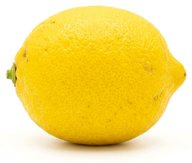 Lemon zest
Use the same weight; it is less sharp and more floral, so add a little extra lime juice if the dish needs tang.
 Kaffir lime leaf
Use 1 leaf for 1 tsp lime zest in curries; bruise and simmer whole, then remove. It gives aroma but not acidity.


 Lemon
Use the same weight; sharper and less floral, so reduce any extra souring slightly.
- Lemon juice
Use about 30 g juice per lime (2 tbsp), strain pips; add at the end for fresh sourness.
 Dried mango powder
Use 1 g amchoor for about 15 g lime juice; add early with spices; gives dry mango sourness, not citrus aroma.


 Peanut oil
Use 1:1 by weight. Handles high-heat frying identically and introduces a very subtle, pleasant nuttiness.
 Ghee
Use 1:1 by weight. Yields a much richer, authentic aroma and a glossy, heavier mouthfeel.
 Mustard oil
Use 1:1 by weight. Heat until smoking, then cool slightly before cooking to temper its intensely pungent, sharp mustard kick.


Similar dishes

- Same: Both are fish dishes seasoned with cumin seed, garlic, chilli and salt and cooked with vegetable oil.
- Different: Masala Pomfret uses a whole pomfret, dried red chilli, vinegar, ginger and sugar and is shallow-fried; this dish uses mackerel fillets, tomato purée, lime juice and zest and red onion and is grilled.

- Same: Tikaht Modaka shares fish, vegetable oil, cumin seed, garlic, lime juice and salt with this dish.
- Different: Tikaht Modaka braises whole whitebait or herring with green chilli, garlic paste, sugar, coriander and garam masala, while this dish grills mackerel fillets with tomato purée, red onion, lime zest and Kashmiri chilli powder.

- Same: Kane Kari shares fish, cumin seed, garlic, onion and chilli with this dish.
- Different: Kane Kari simmers small whole fish in a coconut, turmeric, curry-leaf and dried-chilli curry, while this dish grills mackerel fillets in a tomato and lime marinade and finishes with red onion.

- Same: Kothmiratil Machhi shares fish, lime juice, garlic, salt and vegetable oil with this dish.
- Different: Kothmiratil Machhi coats whitebait or herring in rice flour and a paste of coriander, green chilli, ginger and garlic with turmeric and sugar and fries it, while this dish marinates mackerel fillets in tomato purée, lime, cumin and Kashmiri chilli and grills them.