Goda Masala
Goda masala is a dark, nutty Indian spice blend. It has a warm roasted aroma, mild heat and a slightly sweet coconut-sesame depth.
Goda masala
85 gDry-fried first, then the rest fried in oil (steps 1–2)Everything else
Method
- Heat a dry frying pan over low heat.
- Add 20 g desiccated coconut and stir often for 3–4 minutes, until light brown.
- Tip the coconut into a bowl.
- Add 13.5 g vegetable oil to the pan.
- Add the remaining goda masala ingredients: 30 g coriander seeds, 6.3 g cumin seed, 4 g cassia bark, 2 g dried red chilli, 18 g sesame seed, 0.4 g clove, 2 g bay leaf, 1.1 g caraway seeds, 1.4 g asafoetida and 1.5 g ground turmeric.
- Fry over low heat for 2–3 minutes, stirring, until the spices darken and smell roasted.
- Take the pan off the heat and let the mixture cool.
- Grind the cooled masala to a fine powder.
- Store in an airtight container.
Don't have something?


 Grated desiccated coconut
Use equal weight directly; it is the identical ingredient under a different label.
 Fresh coconut
Grate finely and use 130% to 140% of the weight to compensate for higher moisture; toast gently in a dry pan over low heat if a dry texture is needed.
 Dried coconut
Grate finely using a microplane and use equal weight. Offers a slightly oilier, toastier coconut profile.


 Peanut oil
Use 1:1 by weight. Handles high-heat frying identically and introduces a very subtle, pleasant nuttiness.
 Ghee
Use 1:1 by weight. Yields a much richer, authentic aroma and a glossy, heavier mouthfeel.
 Mustard oil
Use 1:1 by weight. Heat until smoking, then cool slightly before cooking to temper its intensely pungent, sharp mustard kick.


 Ground coriander
Use 75% of the weight; stir in along with wet masala or tomato purée rather than frying in hot oil, as the fine powder burns instantly.
 Cumin seed
Use 50% of the weight for tempering in hot oil. Lacks the floral, sweet citrus flavour of coriander, introducing warm, pungent earthiness instead.
 Fennel seed
Use 50% of the weight in tempering; provides pleasant aromatic sweetness, though noticeably aniseedy rather than citrusy.


 Ground cumin
Use 70% of the weight; add with ground spices or sauce bases rather than hot oil tempering, where it scorches quickly and turns bitter.
 Black cumin seeds
Use equal weight for oil tempering. Delivers an earthy profile with an additional musky, smoky, and slightly bitter edge.
- Fennel seed
Use 60% of the weight for tempering; offers comparable warm aroma, but leans sweet and liquorice-like rather than savoury and earthy.


 Ceylon cinnamon
True cinnamon: thinner, papery quills, milder and sweeter. Use about 1.5 times the weight, and taste.
 Ground cinnamon (cassia)
Use about a third of the weight (0.5 g ground for a 2.5 cm piece), stirred in with the ground spices rather than fried whole, since the powder burns quickly.
 Cassia buds
Use 60-70% of the weight; stronger and more peppery, so taste before adding more.


 Dried kashmiri chilli
Use equal weight whole. Fry in hot oil or ghee as tempered spice; gives a richer red colour with slightly milder heat.
 Red chilli powder
Use 50% to 70% of the weight. Stir into the oil with ground spices; distributes heat evenly throughout the dish without whole chilli skins.


 White sesame seed
Use the same weight. Toast lightly before use; white seeds are milder and give a cleaner look.
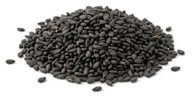 Black sesame seed
Use the same weight. They are stronger and more bitter; toast briefly and use slightly less if the dish is delicate.
 Peanut
Use the same weight, crushed or chopped. It gives crunch but not the same nutty sesame aroma.


 Ground cloves
Use 1 g ground for 4 g whole (or 1 small pinch per 2 to 3 whole cloves). Add with spice powders; disperses intense warmth quickly, so use with restraint.
 Allspice berries
Use 100% of the weight whole in tempering. Imparts a warm, clove-like aromatic profile combined with hints of nutmeg and cinnamon.
 Black cardamom pod
Use 1 pod for 3 to 4 cloves in whole tempering. Shares a camphor-like warmth and medicinal depth, though it introduces a distinct smoky undertone.


- Cinnamon stick
Use a 2 cm piece (about 1 g) for every 1 to 2 bay leaves. Fry in whole-spice temperings; provides the cassia-like warmth typical of Indian tejpatta.
- Ground cinnamon (cassia)
Use 0.5 g per leaf. Stir into the sauce during simmering; gives the same warm woodiness but darkens the colour slightly.


- Fennel seed
Same weight, lightly crushed; sweeter and milder but the closest match for the anise note.
- Cumin seed
Use two-thirds the weight; earthier and warmer, losing most of the aniseed character — good in breads and root vegetables.
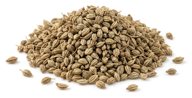 Carom seeds
Use half the weight; much more pungent and thyme-like, so add early in hot oil to soften it.


 Garlic powder
Use double the weight. Stir into hot oil just before adding wet ingredients; mimics the allium savoury background without the sulphurous edge.
 Garlic paste
Use 2 g for every 0.5 g of asafoetida. Sauté in oil until the raw smell clears; adds moisture and sweet allium depth.


 Ground ginger
Use 50% of the weight. Mimics turmeric's warm, earthy, rhizome background, but provides none of the golden-yellow colour.
 Saffron
Steep a tiny pinch (0.1 g per 2 g turmeric) in 2 tbsp warm water; use to match the rich golden hue. Contributes an aristocratic, honeyed floral flavour rather than earthy bitterness.


Similar spice mixtures
- Same: Malwani Masala shares coriander, cumin, cassia, clove, caraway, dried red chilli and turmeric with this dish in a warm, aromatic spice blend.
- Different: It is dry-roasted and lacks this dish’s coconut, sesame, asafoetida, bay leaf and oil, while adding black pepper, star anise, black mustard, black cardamom, fennel and nutmeg and using much more dried red chilli.
- Same: Kotu Podi shares desiccated coconut, vegetable oil, coriander seeds, cumin seed, dried red chilli and asafoetida with this dish, and both are ground roasted spice blends.
- Different: Kotu Podi adds chana dal, urad dal and black peppercorn and lacks this dish's sesame seed, cassia bark, clove, bay leaf, caraway seeds and turmeric, so it is a lentil-based thickener rather than a coconut-sesame masala.
- Same: Valsadi Masala shares coriander seeds, cumin seed, dried red chilli, turmeric and clove with this dish.
- Different: Valsadi Masala adds fresh ginger, garlic, salt, poppy seed, white cardamom and black peppercorn, and it lacks this dish's coconut, sesame, asafoetida, caraway, bay leaf, cassia and vegetable oil.
- Same: Karepaku Karam shares with this dish coriander seeds, cumin seed, dried red chilli, asafoetida and vegetable oil, and both are Indian spice powders.
- Different: Karepaku Karam uses curry leaves and urad dal as main ingredients and adds garlic powder, black pepper and salt, while this dish uses coconut, sesame, cassia, clove, bay leaf, caraway and turmeric and has much less oil.