Indian cooking
Indian cooking / Spice mixtures / Gujarati Rangoon Na Vaal
Gujarati Rangoon Na Vaal (Broad Bean Curry with Carom Seeds, Jaggery & Tamarind Paste)

Gujarati Rangoon Na Vaal

Broad Bean Curry with Carom Seeds, Jaggery & Tamarind Paste
Vegetarian

A Gujarati-style broad bean curry with a rounded, tangy-sweet flavour from jaggery and tamarind, scented with carom seeds and warm spices.

Serves4(the book: 4)

Whole spices for the oil

2.3 gAdded to the hot oil at the start (step 2)
01
2 g1 teaspoon
spice
02
~0.3 g1 pinch
spice
Keep whole; add them together and wait for sizzling.

Ground spices for the beans

476 gStirred in after the whole spices sizzle, just before the beans (step 3)
Keep ground; stir them in, then add the butter beans.

Coriander garnish

0 gScattered over at the end (step 6)
01
to taste
herb
Chop and keep for the finish.

Everything else

01
40 g3 tablespoons
oil/fat
02
398 g400 ml
liquid
03
11 g1 tablespoon
sweetener
04
to taste
salt
05
12 g2 teaspoons
souring agent

Method

  1. Heat 40.5 g vegetable oil in a heavy non-stick saucepan over medium heat.
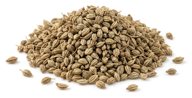
  2. Add the whole spices for the oil (2 g carom seed and 0.3 g asafoetida) and wait until they sizzle.
  3. Stir in the ground spices for the beans (2.6 g kashmiri chilli powder and 3 g ground turmeric), then add 470 g butter bean and stir for 2–3 minutes.
  4. Pour in 398 g water, add 10.8 g jaggery and salt to taste, cover, and cook on low for 25 minutes, stirring once halfway, until the beans begin to soften.
  5. Add 12 g tamarind paste and stir; press some of the beans against the pan with the spoon to thicken the curry, then mix well.
  6. Scatter the coriander garnish to taste over the top.

Don't have something?

Vegetable oil
  • Peanut oil

    Use 1:1 by weight. Handles high-heat frying identically and introduces a very subtle, pleasant nuttiness.

  • Ghee

    Use 1:1 by weight. Yields a much richer, authentic aroma and a glossy, heavier mouthfeel.

  • Mustard oil

    Use 1:1 by weight. Heat until smoking, then cool slightly before cooking to temper its intensely pungent, sharp mustard kick.

Carom seed
  • Carom seeds

    Use the same weight; this is the same seed under its other name.

  • Carom seed paste

    Use the same weight; looser and stronger, so add near the end and taste.

  • Cumin seed

    Use half the weight, lightly crushed; gives a warm aroma but not carom's thyme-like punch.

Asafoetida
  • Garlic powder

    Use double the weight. Stir into hot oil just before adding wet ingredients; mimics the allium savoury background without the sulphurous edge.

  • Garlic paste

    Use 2 g for every 0.5 g of asafoetida. Sauté in oil until the raw smell clears; adds moisture and sweet allium depth.

Kashmiri chilli powder
  • Dried kashmiri chilli

    Grind deseeded dried pods to an equal weight of powder; gives identical vivid red colour and gentle warmth.

  • Red chilli powder

    Use 25% of the weight mixed with sweet paprika for colour; straight red chilli powder is substantially hotter and will make the dish fiery.

  • Chilli powder

    Use one-third of the weight; the sauce will be less intensely red and notably sharper in heat.

Ground turmeric
  • Ground ginger

    Use 50% of the weight. Mimics turmeric's warm, earthy, rhizome background, but provides none of the golden-yellow colour.

  • Saffron

    Steep a tiny pinch (0.1 g per 2 g turmeric) in 2 tbsp warm water; use to match the rich golden hue. Contributes an aristocratic, honeyed floral flavour rather than earthy bitterness.

Butter bean
  • Chickpea

    Use the same weight of cooked or tinned chickpeas, drained; firmer and nuttier, so cook a little longer if mashing.

  • Red kidney bean

    Use the same weight cooked and drained; starchier and stronger, good in curries but can dominate.

  • Black-eyed bean

    Use the same weight cooked; softer and milder, so reduce cooking time.

Water
  • Stock

    Use the same weight in savoury dishes; it adds body, so adjust salt.

  • Milk

    Use the same weight only in doughs or creamy dishes; it makes the result richer.

  • Coconut water

    Use the same weight in curries or rice; it adds sweetness and a faint coconut taste.

Jaggery
  • Granulated sugar

    Use 80% of the weight. Granulated sugar is sweeter by weight, but gives a cleaner, one-dimensional sweetness that lacks jaggery's caramel, molasses depth.

  • Raisin

    Soak and blend into a paste; use 100% to 120% of the weight. Adds rich, natural, fruity sweetness with complex, dark molasses notes that thicken the gravy.


Tamarind paste
  • Tamarind pulp

    Use 120–150% of the weight and strain; pulp is less concentrated, so simmer a little longer to thicken.

  • Tamarind extract

    Use 150–200% of the weight and reduce gently; extract is already diluted.

  • Lime juice

    Use 60–70% of the weight with a pinch of jaggery; sharper, so add near the end off the heat.

Coriander
  • Coriander leaf

    Use equal weight, chopped fresh and stirred in off the heat or used as garnish. Matches the citrus-herbal profile identically.

  • Mint

    Use 40% to 50% of the weight; chop finely and add at the very end. Adds fresh herbal brightness, but shifts the aroma toward cool menthol.