Indian cooking
Indian cooking / Dishes / Ganth Gobi
Ganth Gobi (Kohlrabi)

Ganth Gobi

Kohlrabi
Vegetarian●●●Origin Jammu and KashmirPrep 10 minutesCook 25–30 minutes

A fragrant Kashmiri preparation of tender kohlrabi braised with warm spices, ginger, and green chillies in ghee.

Tempering spices

0.4 gFried in the hot fat (step 1)
01
~0.3 gpinch
spice
02
0.1 g2 cloves
spice
Keep whole: they go into the hot fat together.

Ground spices

3.6 gStirred in with the chillies and seasoning (step 3)
01
1.8 g1 teaspoon
spice
02
1.8 g1 teaspoon
spice
Stir together so they can be added as one.

Everything else

03
24 g4 chillies
vegetable
04
to taste
salt

Method

  1. Warm 125 g ghee or vegetable oil in a heavy pan set over medium heat. Tip in the tempering spices and stir for roughly 1 minute, until the cloves darken.
  2. Tumble in 750 g kohlrabi, toss or shake the pan to coat, then lower the heat, put on a lid, and cook gently for 10 minutes.
  3. Uncover and add 24 g green chilli, the ground spices, 1 teaspoon Garam Masala Kashmiri, and salt to taste. Sauté and stir continuously for 2 to 3 minutes.
  4. Pour in 250 ml water, drop the heat to low, and leave to simmer uncovered for around 15 minutes until the kohlrabi is cooked through and tender.

Don't have something?

Ghee or vegetable oil
  • Peanut oil

    Use equal weight; handles high tempering heat well and keeps flavours neutral.

  • Butter

    Use equal weight; cook over gentle heat to prevent browning the milk solids too quickly.

Asafoetida
  • Garlic powder

    Use double the weight. Stir into hot oil just before adding wet ingredients; mimics the allium savoury background without the sulphurous edge.

  • Garlic paste

    Use 2 g for every 0.5 g of asafoetida. Sauté in oil until the raw smell clears; adds moisture and sweet allium depth.

Clove
  • Ground cloves

    Use 1 g ground for 4 g whole (or 1 small pinch per 2 to 3 whole cloves). Add with spice powders; disperses intense warmth quickly, so use with restraint.

  • Allspice berries

    Use 100% of the weight whole in tempering. Imparts a warm, clove-like aromatic profile combined with hints of nutmeg and cinnamon.

  • Black cardamom pod

    Use 1 pod for 3 to 4 cloves in whole tempering. Shares a camphor-like warmth and medicinal depth, though it introduces a distinct smoky undertone.

Kohlrabi with leaves
  • Turnip

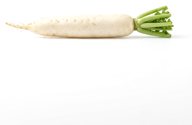
    Use the same weight, peel and cut; add any leaves last 3-4 minutes. Similar mild brassica flavour.

  • Radish

    Use the same weight, peel and cook 2-3 minutes less. More peppery and softer.

  • Potato

    Use the same weight for the bulb only and cook 5 minutes longer; use spinach for the leaves. Starchier, not brassica.

Green chilli
  • Chilli powder

    Use 10 to 15% of the weight (about 1/4 teaspoon per chilli); imparts dry pungent heat and reddens the dish without the grassy crunch.

  • Dried red chilli

    Use 1 dried pod per fresh green chilli; snap in half and temper in hot oil for a deeper, toastier heat.

Ground coriander
  • Coriander seeds

    Dry-roast lightly in a pan and grind to a fine powder; use equal weight (1:1). Offers a noticeably fresher, brighter citrus note.

  • Ground cumin

    Use 50% to 75% of the weight. Lacks the floral, citrusy profile of coriander and turns the gravy heavier, earthier, and darker.

  • Garam masala

    Use 50% of the weight and stir in near the end of cooking. Adds warmth and depth since it contains ground coriander, but introduces stronger spices like clove and cinnamon.

Ground succh bari or kashmiri garam masala
  • Kashmiri garam masala

    Use the same weight when the recipe means the garam masala option; exact aromatic profile.

  • Ground dried lentil dumpling

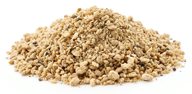
    Use the same weight. Gives savoury body and thickening but far less aroma.

  • Garam masala

    Use 70–80% of the weight. More pungent and warming; taste before adding extra salt.

Ground ginger
  • Ginger paste

    Use 300% to 400% of the weight (e.g. 3–4 g paste for 1 g ground). Fry in oil alongside onions; provides a juicy, pungent kick rather than a dry, baking-spice heat.

  • Fresh ginger

    Peel and grate finely; use 300% to 400% of the weight. Add to the hot oil early; delivers bright, peppery warmth rather than the mellow, woody heat of dry ginger.


  • Ground mace

    Use 50% of the weight. Imparts a warm, spicy undertone in rich gravies, but lacks ginger's fiery, sharp zest.

Similar dishes

Baadami Chawal Bariyan
Creamy Spiced Rice with Almonds
It tastes richer, starchier, and milder than this dish, with an earthier warmth from the added cumin.
  • Same: Baadami Chawal Bariyan shares this dish's base of ghee, green chillies, ground ginger, ground coriander, cloves, asafoetida, and Kashmiri garam masala.
  • Different: Instead of braising kohlrabi, it cooks basmati rice into a creamy, porridge-like texture seasoned with additional cumin seeds and red chilli powder.
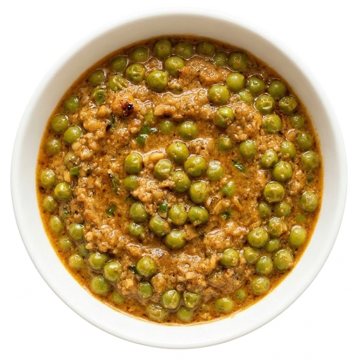
Khoya Matar
Peas with Thickened Milk
Khoya Matar tastes creamier and richer from khoya, with sweet peas and cumin-chilli warmth, while this dish tastes of ghee-braised kohlrabi with green chilli and Kashmiri spices.
  • Same: Khoya Matar shares ghee or oil, asafoetida, clove, green chilli, ground ginger, ground coriander and salt with this dish, and both are spiced with ginger and green chillies.
  • Different: Khoya Matar adds khoya, peas, cumin seed, ground cumin, chilli powder, fresh ginger and garam masala, and it lacks kohlrabi and kohlrabi leaves; this dish is braised kohlrabi, while Khoya Matar is peas cooked with browned milk solids in a sauce.
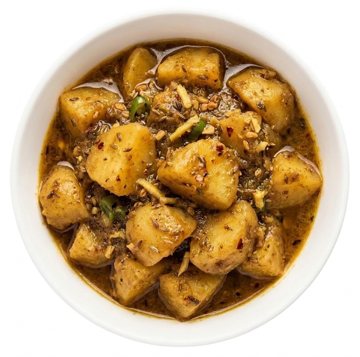
Khatte Aloo
Sour Potatoes
Khatte Aloo tastes sour and pungent from amchoor and mustard oil, while this dish tastes fragrant and warm from ghee, ginger, and green chilli without a sour tang.
  • Same: Khatte Aloo shares asafoetida, clove, ground coriander, ground ginger, green chilli, and salt with this dish.
  • Different: Khatte Aloo uses mustard oil, potato, cumin seed, turmeric, fenugreek seed, chilli powder, fresh ginger, and amchoor, while this dish uses ghee or vegetable oil, kohlrabi with leaves, and succh bari or Kashmiri garam masala.
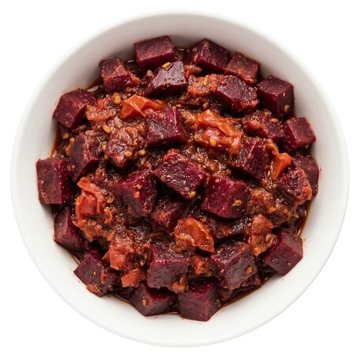
Chukandar ki Subzi
Beetroot (Beet) Curry
Chukandar ki Subzi tastes earthier, sweeter, and tarter due to the beetroot and tomatoes, while this dish is richer and more warming from the ghee and Kashmiri spices.
  • Same: Chukandar ki Subzi shares a vegetable-based dry curry style seasoned with clove, asafoetida, ground coriander, and ground ginger.
  • Different: Chukandar ki Subzi uses beetroot cooked in far less oil with tomatoes, cumin, fenugreek, and chilli powder, whereas this dish braises kohlrabi in a generous amount of ghee with green chillies and Kashmiri garam masala.