
Bhuna Kekra
Succulent lobster tails steeped in a two-stage marinade of sharp aromatics, spiced yogurt, and warm garam masala. Roasted on skewers over coals or in the oven and brushed with butter, the meat turns tender, smoky, and intensely flavorful.
First marinade aromatics
16 gStirred into the initial marinade base (step 1)Second marinade spices and aromatics
23 gWhisked into the yogurt marinade (step 2)Everything else

Method
- In a shallow mixing bowl, combine the first marinade aromatics with 0.3 g salt, 0.5 teaspoon vinegar, 4.5 g vegetable oil, and 1.5 tablespoon marinade seasoning. Rub this seasoning evenly over the 8 lobsters (peeled and deveined with tail intact). Cover and refrigerate for 1 hour.
- In a second bowl, whisk 254 g plain yogurt with the second marinade spices and aromatics, 0.5 teaspoon vinegar, 1.5 tablespoon marinade seasoning, 0.5 tablespoon seasoning, and salt to taste until smooth. Coat the lobsters completely in this thick paste, re-cover, and chill in the refrigerator for 1 to 2 hours.
- Preheat the oven to 180°C (350°F) or set up a charcoal grill to medium heat. Thread the marinated lobsters onto metal skewers, spooning any excess marinade remaining in the dish over the surface.
- Cook the lobsters over the charcoal embers or suspended over a baking tray in the oven for 8 to 10 minutes, until surface liquid has evaporated. Remove briefly to baste with melted butter to taste, then return to the heat for 2 to 4 minutes more until the meat is opaque and thoroughly cooked. Serve piping hot.
Don't have something?


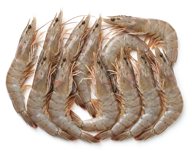 King prawn
Use the same weight of peeled meat; cook only 2–3 minutes until just firm; sweeter and less dense than lobster.
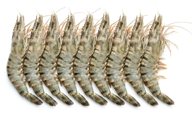 Tiger prawn
Use the same weight; split larger ones lengthways; cook 3–4 minutes; firmer than king prawn but still not lobster.
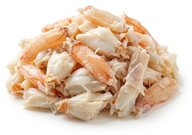 Crabmeat
Use the same weight; add at the end and warm through for 2 minutes; flakier and richer.


 Melted ghee
Use the same weight; nuttier and keeps better. Reduce salt if the butter was salted.
 Vegetable oil
Use 80% of the weight; no dairy flavour and less richness. Good for frying, less good for finishing.
 Melted unsalted butter
Use the same weight; adjust salt in the dish if your butter was salted.


 Fresh ginger
Use equal weight; peel and grate very finely on a microplane or pound to a fine paste in a mortar.
 Ginger
Use equal weight; mince finely and crush with the flat of a knife before frying.
 Ground ginger
Use 20% of the weight; add directly with the dry spice powders, though it yields an earthier, less pungent profile.


 Garlic
Use equal weight; crush or finely grate to a smooth pulp to replicate the same fresh, pungent moisture in your base gravy.
 Garlic powder
Use 20 to 25% of the weight; mix with a teaspoon of water before adding to oil so it does not burn, noting it lacks the fresh bite.


 Red chilli powder
Use about 30–40% of the paste weight, mix with water to a paste and add gradually; it is drier and hotter.
 Fresh red chilli
Blend deseeded fresh red chillies to the same weight as the paste; fresher, sharper heat and more moisture.
 Kashmiri red chilli powder
Use the same weight mixed with water; gives good red colour but much less heat, so add cayenne if needed.


 White vinegar
Use 100% of the weight directly. It delivers an identical sharp, clean acidity to curries and marinades.
 Lemon juice
Use 100% of the weight. Add towards the end of cooking off the heat; introduces a fruity citrus aroma rather than pungent acetic sharpness.
 Tamarind extract
Use 75% of the weight diluted in a splash of warm water. Gives a rich, fruity sourness and darkens the gravy.


 Peanut oil
Use 1:1 by weight. Handles high-heat frying identically and introduces a very subtle, pleasant nuttiness.
 Ghee
Use 1:1 by weight. Yields a much richer, authentic aroma and a glossy, heavier mouthfeel.
 Mustard oil
Use 1:1 by weight. Heat until smoking, then cool slightly before cooking to temper its intensely pungent, sharp mustard kick.


 Yogurt
Use equal weight, whisked thoroughly until smooth before adding to hot dishes to prevent curdling.
 Coconut milk
Use equal weight with 1 teaspoon lemon juice mixed in. Provides rich creaminess in curries, but adds a noticeable coconut flavour.
 Single cream
Use 80% of the weight plus a squeeze of lemon juice for acidity. Enriches sauces nicely, though it is richer and less tangy.


 Ground cumin
Use 50% of the weight mixed with equal parts ground coriander and a pinch of ground cinnamon, ground cloves, and ground green cardamom. Sprinkle near the end for a warming finish.
 Lentil stew spice mix
Use 75% of the weight. Simmer briefly in the gravy; imparts roasted warmth and complexity, though it adds a slight tang and earthy lentil undertone.


 Dried fenugreek leaf
Use the same weight and crush finely; it is virtually the same.
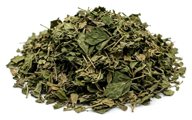 Dried fenugreek leaves
Use the same weight and crush finely; it is slightly stronger in aroma.
 Ground dried fenugreek leaf
Use the same weight; this is the same herb.


Similar dishes
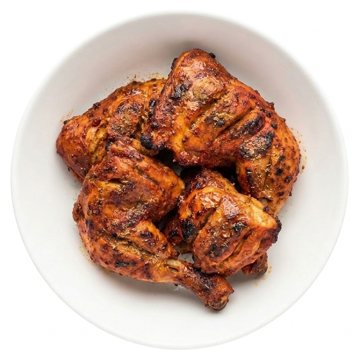
- Same: Tandoori Murg shares with this dish a yogurt-based marinade with ginger paste, garlic paste, red chilli paste, garam masala, dried fenugreek leaves, and a finish of melted butter over grilled or roasted heat.
- Different: Tandoori Murg uses whole chicken instead of lobster, hung yoghurt instead of plain yoghurt, lemon juice and chaat masala instead of vinegar, and vegetable oil in the marinade, while this dish uses vinegar as the souring agent and skewers lobster tails.

- Same: Moti Kebab shares a two-stage marinade built on plain yogurt, vinegar, ginger, garlic, and garam masala, along with the use of butter.
- Different: Instead of grilling lobster tails over coals, Moti Kebab tenderizes cubed lamb with raw papaya and pan-fries it in vegetable oil or ghee with significantly more ginger and garlic paste.
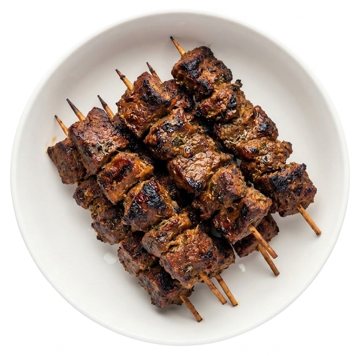
- Same: Rajasthani Boti Kebab shares the same double-marination technique with ginger, garlic, vinegar, and garam masala before being skewered and roasted.
- Different: Instead of lobster and yogurt, it uses chunks of lamb enriched with pungent mustard oil, lemon juice, and dried fenugreek leaves.

- Same: Adraki Chaamp shares with this dish a two-stage marinade of yogurt, ginger paste, garlic paste, red chilli paste, vinegar, and vegetable oil, plus a melted butter brush before roasting.
- Different: Adraki Chaamp uses lamb chops instead of lobster and adds unripe papaya paste and fresh ginger, while it lacks this dish's garam masala and dried fenugreek leaves.