Indian cooking
Indian cooking / Dishes / Baida Paratha
Baida Paratha (Shallow-fried Bread with Egg)

Baida Paratha

Shallow-fried Bread with Egg
Non-vegetarian●●●Origin HyderabadPrep 40 minutesCook 1 hour 20 minutes

These flaky, layered square flatbreads are shallow-fried until golden, slit open, and stuffed with a savoury onion, chilli, and egg mixture. The result is a crisp exterior encasing a soft, spiced egg filling.

Ingredients

01
200 g4 eggs
egg
02
Green chilli · Hari Mirchde-seeded and chopped
12–18 g2–3 chillies
vegetable
03
300 g2 onions
vegetable
04
~1 g1 sprig
herb
05
Wholemeal flour · Attaplus extra for dusting
300 g
flour
06
Gheemelted
53 g4 tablespoons
oil/fat
07
Vegetable oil · Telfor shallow-frying
to taste
oil/fat
08
to taste
salt

Method

  1. Beat 4 eggs in a bowl with a pinch of salt to taste, then fold in 12–18 g green chilli, 300 g onion and 1 g coriander. Set this filling aside.
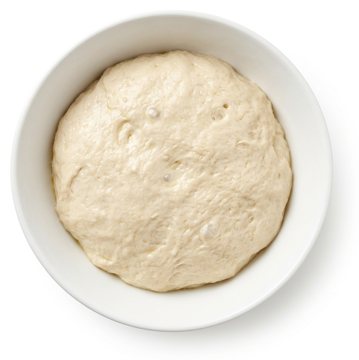
  2. Combine 300 g flour, a pinch of salt to taste, and 15 g of the 52.8 g ghee in a large mixing bowl. Gradually mix in enough water to form a medium-soft dough.
  3. Knead the dough on a lightly floured worktop for 5 minutes until smooth and elastic, then divide it into 16 equal balls.
  4. Dust a dough ball with flour and roll it out into an 18 cm (7-inch) circle. Brush with a little melted ghee, dust with a pinch of flour, fold one third inward, and fold the opposite side over it. Dust again with flour, fold the remaining two ends inwards to make a square packet, and roll it out into a 15 cm (6-inch) square.
  5. Heat a splash of vegetable oil in a heavy frying pan or tawa over medium heat. Fry the paratha for roughly 1 minute on each side until evenly golden, then transfer it to a plate.
  6. Carefully cut a slit along one edge of the warm paratha to form a pocket, pour in a portion of the egg mixture, and pinch the opening firmly together to seal.
  7. Return the paratha to the pan with a few drops of vegetable oil. Fry for about 1 minute on each side until the bread is crisp and the egg filling is cooked through. Repeat the shaping, frying, and stuffing process with the remaining dough and filling.

Don't have something?

Egg
  • Chickpea flour

    For binding, use about 10 g chickpea flour mixed with 20 ml water per egg and rest for 10 minutes. Denser and nuttier; not suitable for baking or coating in the same way.

  • Full-fat natural yoghurt

    Use about 30 g per egg for moisture and binding in koftas or fillings. Adds tang and softness; will not set or glaze like egg.

  • Tofu

    Use the same weight, mashed, for egg-like bulk in curries. Soft and bland; add extra spices and do not expect it to bind.

Green chilli
  • Chilli powder

    Use 10 to 15% of the weight (about 1/4 teaspoon per chilli); imparts dry pungent heat and reddens the dish without the grassy crunch.

  • Dried red chilli

    Use 1 dried pod per fresh green chilli; snap in half and temper in hot oil for a deeper, toastier heat.

Onion
  • Shallot

    Use equal weight, finely sliced. Shallots soften and brown faster, giving a slightly sweeter and more delicate base to curries.

  • Cabbage

    Use 80% of the weight, finely shredded and browned slowly with a pinch of asafoetida. Replicates the bulk and natural sweetness in gravies without allium.

Coriander
  • Coriander leaf

    Use equal weight, chopped fresh and stirred in off the heat or used as garnish. Matches the citrus-herbal profile identically.

  • Mint

    Use 40% to 50% of the weight; chop finely and add at the very end. Adds fresh herbal brightness, but shifts the aroma toward cool menthol.

Wholemeal flour
  • Whole wheat flour

    Use the same weight; it is almost the same, though slightly finer, so add water gradually.

  • Plain flour

    Use the same weight but reduce water by about 10%; the result is lighter and less nutty.

  • Flour

    Use the same weight as plain flour; reduce water slightly and expect less bran and colour.

Ghee
  • Unsalted butter

    Use 120% of the weight; melt gently over low heat to avoid burning the milk solids, which will yield a softer, creamier richness rather than a nutty aroma.


  • Vegetable oil

    Use 85% of the weight; holds high cooking temperatures without smoking, but the final dish will lack traditional dairy depth.

  • Mustard oil

    Use equal weight; heat to smoking point and cool slightly before cooking, bearing in mind it introduces an assertive, pungent edge.

Vegetable oil
  • Peanut oil

    Use 1:1 by weight. Handles high-heat frying identically and introduces a very subtle, pleasant nuttiness.

  • Ghee

    Use 1:1 by weight. Yields a much richer, authentic aroma and a glossy, heavier mouthfeel.

  • Mustard oil

    Use 1:1 by weight. Heat until smoking, then cool slightly before cooking to temper its intensely pungent, sharp mustard kick.

Similar dishes

Kulcha Dough
Kulcha Dough is tender and mildly sweet, while this dish is crisp and savoury with a spiced onion, chilli, and egg filling.
  • Same: Kulcha Dough and this dish are both flatbreads made with flour and egg.
  • Different: Kulcha Dough uses self-raising flour, milk, sugar, vegetable oil, and water and is baked, while this dish uses wholemeal flour, ghee, onion, green chilli, and coriander and is shallow-fried and stuffed with an egg mixture.
Chapaati
Chapati
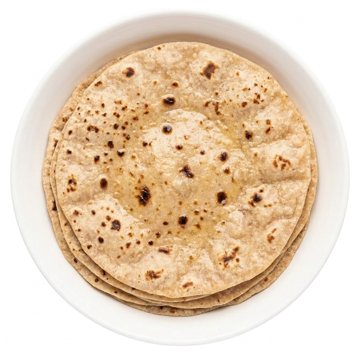
Chapaati has a plain, mild wheat flavour, whereas this dish is savoury, rich, and spicy from the egg and green chilli.
  • Same: Both are Indian flatbreads seasoned with salt.
  • Different: Chapaati is cooked dry on a griddle without filling or fat, whereas this dish is stuffed with an egg, onion, and green chilli mixture and shallow-fried in ghee and vegetable oil.
Phulka
Puffed Bread
Phulka tastes simply of mild, toasted wheat, lacking the rich, savoury egg and spicy green chilli flavours of this dish.
  • Same: Both are Indian flatbreads prepared from wheat dough and cooked with vegetable oil.
  • Different: Phulka is a plain bread puffed dry over an open flame, whereas this dish is stuffed with an egg, onion, and green chilli mixture and shallow-fried in ghee.
Tandoori Roti
Bread Baked in a Clay Oven
Tandoori Roti tastes smoky and simple, lacking the savoury richness, egg flavour, and chilli heat of this dish.
  • Same: Both are layered flatbreads made with salt and finished or cooked with fat such as ghee or vegetable oil.
  • Different: Tandoori Roti is baked plain in a clay oven rather than stuffed with eggs, onions, and green chillies and shallow-fried.