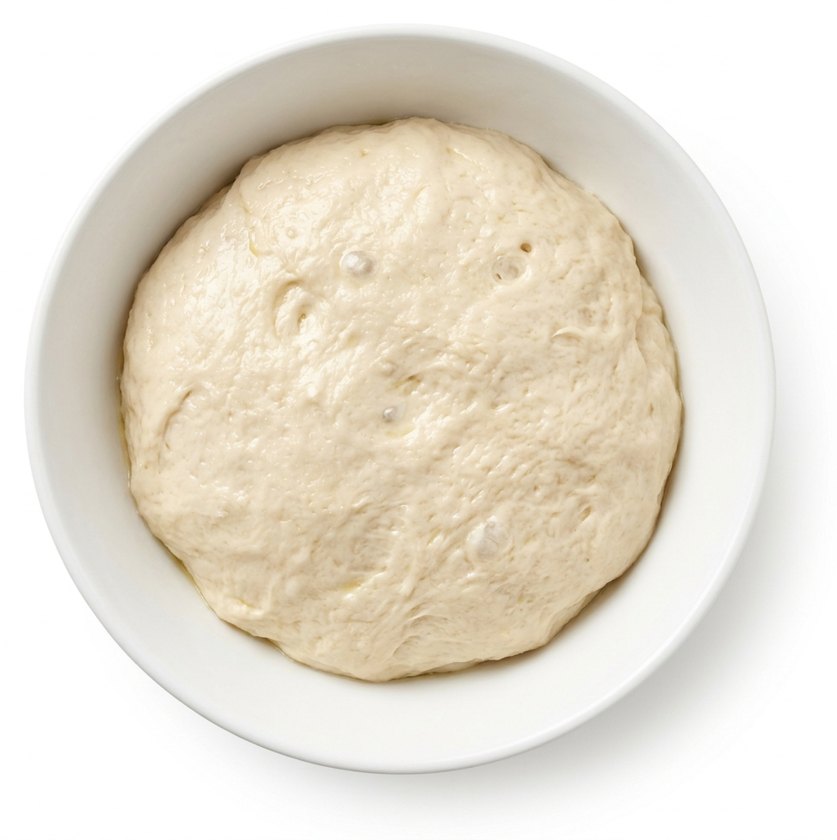
Kulcha Dough
Kulcha dough is a soft, enriched flatbread dough made with milk, egg, sugar and oil. It bakes into tender, slightly sweet flatbreads with a pliable crumb.
Ingredients

Method
- Whisk 134 g whole milk, 200 g egg, 25.2 g caster sugar, 11 g sea salt, about two-thirds of the 99.4 g cold water and 91.3 g vegetable oil in a jug until the sugar and salt dissolve; keep the remaining cold water for adjusting the dough.
- Sift 500 g self-raising flour into a large bowl.
- Pour the wet mixture into the flour and mix to a rough dough.
- Knead the dough, adding the reserved cold water a little at a time if needed, until smooth and pliable.
- Transfer the dough to a surface lightly dusted with extra self-raising flour, cover with a damp cloth and rest for 30 minutes.
- Divide the rested dough into 10 portions of about 80 g each and roll each into a round ball.
- Place the balls on a baking sheet lightly oiled with extra vegetable oil, cover with a damp cloth and set aside until ready to use.
Don't have something?

 Milk
Use 100% of the weight. If using semi-skimmed milk, stir in 10 g butter per 200 g milk to match the richness of whole milk.
 Single cream
Use 60% cream diluted with 40% water by weight to match the fat content of whole milk. Gravies will taste richer and reduce faster.


 Chickpea flour
For binding, use about 10 g chickpea flour mixed with 20 ml water per egg and rest for 10 minutes. Denser and nuttier; not suitable for baking or coating in the same way.
 Full-fat natural yoghurt
Use about 30 g per egg for moisture and binding in koftas or fillings. Adds tang and softness; will not set or glaze like egg.
 Tofu
Use the same weight, mashed, for egg-like bulk in curries. Soft and bland; add extra spices and do not expect it to bind.


 Granulated sugar
Use the same weight. It is slightly coarser, so stir a little longer to dissolve; in baking, grind briefly if a fine texture matters.
 Demerara sugar
Use the same weight, but dissolve it earlier as it is coarser. It adds a light caramel note and a little colour.
 Ground jaggery or soft brown sugar
Use the same weight; crush or grate jaggery first. It darkens the dish and adds molasses flavour, so reduce other liquid slightly.


 Stock
Use the same weight in savoury dishes; it adds body, so adjust salt.
- Milk
Use the same weight only in doughs or creamy dishes; it makes the result richer.
 Coconut water
Use the same weight in curries or rice; it adds sweetness and a faint coconut taste.


 Peanut oil
Use 1:1 by weight. Handles high-heat frying identically and introduces a very subtle, pleasant nuttiness.
 Ghee
Use 1:1 by weight. Yields a much richer, authentic aroma and a glossy, heavier mouthfeel.
 Mustard oil
Use 1:1 by weight. Heat until smoking, then cool slightly before cooking to temper its intensely pungent, sharp mustard kick.


 Plain flour
Use 96 g plain flour with 4 g baking powder for every 100 g self-raising flour. Sift together twice before using.
 Wholemeal flour
Use 96 g wholemeal flour with 4 g baking powder per 100 g. Add 1 tbsp extra liquid; the result is denser.
 Baking powder
Use with plain flour as above; do not use baking powder alone. Mix well so it is evenly distributed.


Similar dishes

- Same: Baida Paratha and this dish both use egg, flour, salt, and vegetable oil to make a flatbread-style preparation.
- Different: Baida Paratha uses wholemeal flour, ghee, onion, green chilli, and coriander and is shallow-fried with a stuffed egg filling, while this dish uses self-raising flour, milk, sugar, and water and is baked as a plain dough.
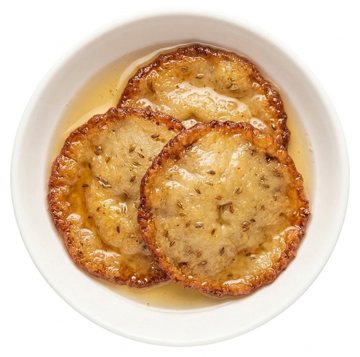
- Same: Malpoa shares flour and sugar with this dish.
- Different: Malpoa uses yogurt, aniseed and ghee and is fried then soaked in sugar syrup, while this dish uses milk, egg, self-raising flour and vegetable oil and is baked as flatbread.
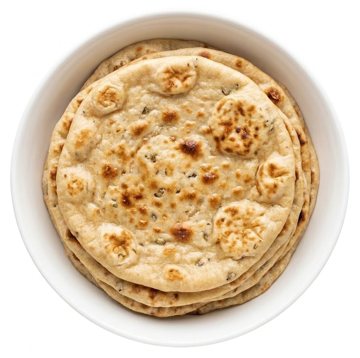
- Same: Sheermal shares with this dish a milk-and-sugar-enriched flatbread dough with flour, salt, and fat, and neither lists a souring agent.
- Different: Sheermal uses whole wheat flour, yeast, ground green cardamom, kewra water, and ghee or butter, while this dish uses self-raising flour, egg, vegetable oil, and no yeast or spices.

- Same: Cheat’s Ras Malai shares milk and egg with this dish, and both have a dairy-rich base.
- Different: Cheat’s Ras Malai is a chilled dessert, not a baked flatbread, and it uses milk powder, baking powder, butter, condensed milk, saffron, cardamom and nuts instead of self-raising flour, water and vegetable oil.