Indian cooking
Taftan (Flaky Bread)

Taftan

Flaky Bread
Non-vegetarianOrigin AwadhPrep 30 minutes, plus standing timeCook 6-9 minutesMakes 8

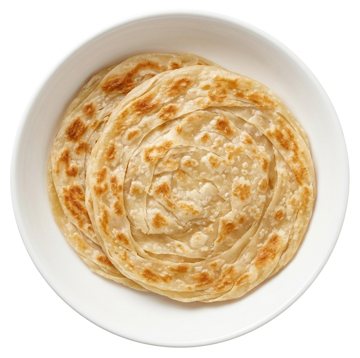
A soft, enriched flatbread with an airy, pillowy crumb and a delicate crust. Flavoured with yogurt, egg, and ghee, it carries a mild sweetness balanced by the savoury, onion-like bite of nigella seeds.

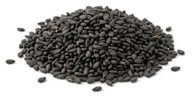
Topping seeds

9 gScattered over the shaped dough before baking (step 5)
01
9 g1 tablespoon
spice
Keep whole.

Everything else

01
129 g125 ml
dairy
03
44 g3½ tablespoons
sweetener
05
~0.3 gpinch
salt
06
45 g3 tablespoons
dairy
07
Egg · Andalightly beaten
100 g2 eggs
egg
08
Vegetable oil · Telplus extra for brushing and oiling
18 g4 teaspoons
oil/fat
09
Gheemelted, plus extra for basting
20 g1½ tablespoons
oil/fat
10
Milk · Doodhfor basting
to taste
dairy

Method

  1. Warm 129 g milk slightly, then whisk together with 20 g yeast and 44.1 g granulated sugar in a small bowl. Leave undisturbed until the surface turns frothy.
  2. Sift 475 g flour and 0.3 g salt into a large bowl. Form a well in the centre and add the frothy yeast mixture, 45 g plain yogurt, 2 eggs, and 18 g vegetable oil. Mix until a dough forms, then knead on a lightly floured surface for about 5 minutes until smooth and supple.
  3. Place the dough into a lightly oiled bowl, drape with a damp cloth, and let it prove in a warm area for 6 hours.
  4. Preheat the oven to 200°C (400°F). Deflate the dough gently and divide it into 8 equal portions. Lightly brush the portions with vegetable oil and let them rest for 20 minutes.
  5. Flatten each ball using your hands into a teardrop shape, tapering one end while leaving the other broad. Brush the tops with 19.8 g melted ghee and sprinkle over the topping seeds.
  6. Set the breads onto oiled baking trays and bake for 2 to 3 minutes. Take them out of the oven and immediately baste the tops with milk and extra melted ghee to taste.

Don't have something?

Milk
  • Whole milk

    Use equal weight; provides the standard rich dairy fat and body expected in creamy Indian bases.

  • Single cream

    Dilute 3 parts cream with 1 part water to match the weight; yields a richer, glossier gravy that resists curdling.

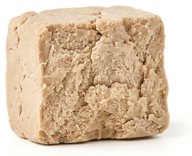
  • Plain yogurt

    Whisk thoroughly and use equal weight; adds extra body and a mild pleasant acidity, best added off the heat.

Fast-action dried yeast
  • Dried yeast

    Use the same weight. Proof in warm water with a little sugar for 10 minutes before mixing, as it is not instant. Slightly slower.

  • Fresh yeast

    Use about 2.5 times the weight. Crumble into warm liquid with a little sugar and leave for 10 minutes. Slower and needs longer proving.

Granulated sugar
  • Jaggery

    Use equal weight; grate or shave finely so it dissolves rapidly, giving a warm, caramel-like sweetness and slightly darker sauce.

Plain flour
  • Whole wheat flour

    Use the same weight, add 10–15% more water and rest the dough for 20 minutes; the result is heavier and nuttier.

  • Rice flour

    Use the same weight for crisp coatings; for doughs use no more than half rice flour with wheat flour, or it will be crumbly.

  • Cornflour

    For thickening use half the weight, mixed with cold water; it is not suitable for bread or chapati dough.

Plain yogurt
  • Yogurt

    Use equal weight, whisked thoroughly until smooth before adding to hot dishes to prevent curdling.

  • Coconut milk

    Use equal weight with 1 teaspoon lemon juice mixed in. Provides rich creaminess in curries, but adds a noticeable coconut flavour.

  • Single cream

    Use 80% of the weight plus a squeeze of lemon juice for acidity. Enriches sauces nicely, though it is richer and less tangy.

Egg
  • Chickpea flour

    For binding, use about 10 g chickpea flour mixed with 20 ml water per egg and rest for 10 minutes. Denser and nuttier; not suitable for baking or coating in the same way.

  • Full-fat natural yoghurt

    Use about 30 g per egg for moisture and binding in koftas or fillings. Adds tang and softness; will not set or glaze like egg.

  • Tofu

    Use the same weight, mashed, for egg-like bulk in curries. Soft and bland; add extra spices and do not expect it to bind.

Vegetable oil
  • Peanut oil

    Use 1:1 by weight. Handles high-heat frying identically and introduces a very subtle, pleasant nuttiness.

  • Ghee

    Use 1:1 by weight. Yields a much richer, authentic aroma and a glossy, heavier mouthfeel.

  • Mustard oil

    Use 1:1 by weight. Heat until smoking, then cool slightly before cooking to temper its intensely pungent, sharp mustard kick.

Ghee
  • Unsalted butter

    Use 120% of the weight; melt gently over low heat to avoid burning the milk solids, which will yield a softer, creamier richness rather than a nutty aroma.


  • Vegetable oil

    Use 85% of the weight; holds high cooking temperatures without smoking, but the final dish will lack traditional dairy depth.

  • Mustard oil

    Use equal weight; heat to smoking point and cool slightly before cooking, bearing in mind it introduces an assertive, pungent edge.

Nigella seeds
  • Black cumin seeds

    Use equal weight. Imparts an earthy, slightly bitter note in temperings, though it lacks nigella's oniony sharpness.

  • Black sesame seeds

    Use equal weight. Gives a similar speckled appearance and light crunch on breads, but provides a nutty rather than herbaceous, onion-like flavour.

Similar dishes

Kerala Paratha
Kerala Paratha is richer, crispier, and more buttery, lacking the noticeable sweetness, yogurt tang, and onion-like flavor of nigella seeds present in this dish.
  • Same: Like this dish, Kerala Paratha is an enriched flatbread prepared with milk, sugar, salt, and ghee.
  • Different: Kerala Paratha incorporates substantially more ghee alongside peanut oil and butter, but it omits the plain yogurt and nigella seeds found in this dish.
Malabari Paratha
Paratha from Malabar
Malabari Paratha tastes significantly more buttery and less sweet, lacking the tartness of yogurt and the pungent, onion-like flavor of nigella seeds.
  • Same: Both are enriched flatbreads prepared with milk, sugar, and salt.
  • Different: Malabari Paratha uses a large amount of butter as its sole fat and omits the yogurt, ghee, vegetable oil, and nigella seeds found in this dish.
Rogani Kulcha
Rich Kulcha
Rogani Kulcha tastes eggy and chilli-hot on top, while this dish tastes mildly sweet with yogurt tang, ghee richness, and nigella's onion-like bite.
  • Same: Rogani Kulcha shares with this dish a soft, enriched leavened flatbread base made from plain flour, milk, egg, sugar, salt, and vegetable oil.
  • Different: Rogani Kulcha lacks this dish's yogurt, ghee, yeast, and nigella seeds, and instead uses baking powder and a chilli-powder egg glaze brushed on after cooking.
Ulte Tawe ka Paratha
Paratha Cooked on the Griddle
Ulte Tawe ka Paratha has a richer, nuttier profile, lacking the mild tang of yogurt and the savoury, onion-like bite of nigella seeds found in this dish.
  • Same: Both are rich, sweetened flatbreads made with milk, sugar, and ghee.
  • Different: Ulte Tawe ka Paratha incorporates cashew paste and is cooked on an inverted griddle, omitting the yogurt, vegetable oil, and nigella seeds used in this dish.