Indian cooking
Indian cooking / Dishes / Ulte Tawe ka Paratha
Ulte Tawe ka Paratha (Paratha Cooked on the Griddle)

Ulte Tawe ka Paratha

Paratha Cooked on the Griddle
VegetarianOrigin AwadhPrep 55 minutes, plus resting timeCook 10 minutes

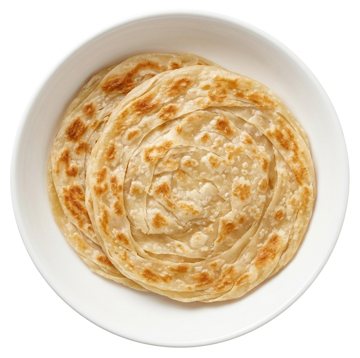
A fragrant, Mughlai-style layered flatbread enriched with cashew paste, milk, and sweet khus essence. Cooked on an inverted griddle with ghee, it has a tender, flaky texture and a delicately sweet, aromatic flavour.

Ingredients

01
Plain flour · Maidaplus extra for dusting
1000 g
flour
02
~0.3 gpinch
salt
03
6 g1½ teaspoons
other
05
10 g2 teaspoons
liquid
06
517 g500 ml
dairy
07
50 g4 tablespoons
sweetener
08
Gheemelted, for brushing
to taste
oil/fat

Method

  1. Sift 1000 g flour and 0.3 g salt together onto a wide tray or large working surface.
  2. In a separate bowl, whisk together 1.5 tsp baking powder, 75 g cashew paste, 2 tsp khus essence, 517 g milk, and 50.4 g granulated sugar until thoroughly combined.
  3. Pour the liquid mixture into the flour, adding just enough water to bring everything together into a soft dough.
  4. Transfer the dough to a lightly floured surface and knead for about 5 minutes until smooth and pliable.
  5. Portion the dough into 15 to 16 equal balls.
  6. Roll out each ball into a small disc, spread over 1 teaspoon of melted ghee, and dust lightly with flour. Make an incision from the centre to the edge, roll the disc into a tight cone, and compress it downwards back into a ball. Repeat with all portions.
  7. Leave the layered dough balls to rest for about 45 minutes.
  8. Dusting with extra flour as needed, roll each dough ball out into a round roughly 25 cm (10 inches) in diameter.
  9. Heat an inverted tawa, standard griddle, or frying pan over medium-high heat. Lay the dough round onto the hot surface, flip it once, and brush lightly with melted ghee.
  10. Press down gently with a clean, dry cloth and cook for about 20 seconds until golden-brown spots appear. Transfer to a plate and keep warm while repeating the process for the remaining breads.

Don't have something?

Plain flour
  • Whole wheat flour

    Use the same weight, add 10–15% more water and rest the dough for 20 minutes; the result is heavier and nuttier.

  • Rice flour

    Use the same weight for crisp coatings; for doughs use no more than half rice flour with wheat flour, or it will be crumbly.

  • Cornflour

    For thickening use half the weight, mixed with cold water; it is not suitable for bread or chapati dough.

Baking powder
  • Baking soda

    Use 25% of the baking powder's weight (e.g. 1 g for 4 g) and add 2 g cream of tartar or 1 tsp lime juice per 100 g flour. Mix quickly and bake at once.

  • Bicarbonate of soda

    Same as baking soda: use 25% of the weight with an acid such as cream of tartar, lemon juice or yogurt. Expect a slightly soapy taste if overused.

  • Self-raising flour

    Replace the plain flour plus baking powder with the same weight of self-raising flour; omit added baking powder and reduce salt slightly.

Cashew paste
  • Cashew nut

    Use 100% of the weight. Soak raw cashews in boiling water for 20 minutes, then blend with just enough water to form a silky, thick paste.

  • Almond

    Use 100% of the weight. Blanch, peel skins completely, and blend with warm water until velvety; gravies will be marginally less sweet.

  • Single cream

    Use 80% of the weight. Stir in near the end of cooking over low heat; provides luxurious gloss and fat without the nut solids.

Khus essence
  • Screwpine water

    Use 5-10 times the weight, added off the heat. Floral but not woody; taste before adding more.

  • Rosewater

    Use 5-10 times the weight, off the heat. Rosy and softer than khus.

  • Rose syrup

    Use 3-5 times the weight and reduce sugar. Sweet and floral, not earthy.

Milk
  • Whole milk

    Use equal weight; provides the standard rich dairy fat and body expected in creamy Indian bases.

  • Single cream

    Dilute 3 parts cream with 1 part water to match the weight; yields a richer, glossier gravy that resists curdling.

  • Plain yogurt

    Whisk thoroughly and use equal weight; adds extra body and a mild pleasant acidity, best added off the heat.

Granulated sugar
  • Jaggery

    Use equal weight; grate or shave finely so it dissolves rapidly, giving a warm, caramel-like sweetness and slightly darker sauce.

Ghee
  • Unsalted butter

    Use 120% of the weight; melt gently over low heat to avoid burning the milk solids, which will yield a softer, creamier richness rather than a nutty aroma.


  • Vegetable oil

    Use 85% of the weight; holds high cooking temperatures without smoking, but the final dish will lack traditional dairy depth.

  • Mustard oil

    Use equal weight; heat to smoking point and cool slightly before cooking, bearing in mind it introduces an assertive, pungent edge.

Similar dishes

Malabari Paratha
Paratha from Malabar
Malabari Paratha tastes rich and buttery with minimal sweetness, whereas this dish is noticeably sweeter, nuttier, and floral.
  • Same: Malabari Paratha is also a flaky, multi-layered flatbread prepared with a dough enriched with milk, sugar, and salt.
  • Different: Malabari Paratha uses butter instead of ghee and much less sugar, while omitting the cashew paste, large volume of milk, and khus essence used in this dish.
Rogani Kulcha
Rich Kulcha
Rogani Kulcha is savoury and spicy from the chilli glaze, whereas this dish is much sweeter and richly nutty.
  • Same: Rogani Kulcha is also an enriched flatbread prepared with milk, sugar, and salt.
  • Different: Rogani Kulcha is leavened and uses vegetable oil with a chilli powder and egg glaze, omitting the cashew paste, ghee, and inverted-griddle cooking of this dish.
Bhatura
Deep-fried Bread
Bhatura is mildly tangy and savory rather than rich, nutty, and perfumed like this dish.
  • Same: Both are North Indian wheat flatbreads prepared with a pinch of salt and a touch of sugar.
  • Different: Bhatura is made with yogurt and deep-fried in vegetable oil, lacking the cashew paste, milk, and inverted-griddle ghee cooking used for this dish.
Kerala Paratha
Kerala Paratha is much less sweet and more savory and buttery, without the floral aroma and nutty richness of this dish.
  • Same: Both are flaky, layered flatbreads made with milk, sugar, and ghee.
  • Different: Kerala Paratha incorporates peanut oil, butter, and eggs, but it omits the cashew paste, khus essence, and inverted griddle cooking technique of this dish.