
Soya-Sarasonwala Daliya Bharta
A velvety Indian-style mashed potato enriched with butter, cream, and milk, punctuated by the piquancy of wholegrain mustard and aromatic fresh dill.
Ingredients

Method
- Place 500 g potato in a large heavy-based pan, cover with cold water, and bring to a boil. Simmer for around 15 minutes until tender and easily crushed. Drain thoroughly, tip back into the pan, mash well, and keep aside.
- Melt 150 g butter in another heavy-based pan set over medium heat. Add 100 g onion, drop the heat to low, and fry gently for about 7 minutes, stirring occasionally, until soft and translucent.
- Stir the reserved mashed potato and 4 tablespoon wholegrain mustard into the onions. Cook for 3 to 5 minutes while stirring without stopping.
- Gradually pour in 150–200 g cream and 155–207 g milk. Continue stirring constantly over low heat for an additional 3 to 5 minutes until fully blended and heated through.
- Fold in 100 g dill, season with salt to taste, and take the pan off the heat.
Don't have something?

 Eggplant
Use equal weight. Cut into large chunks; cooks down much faster (10-12 minutes) and softens into the sauce rather than staying starchy and firm.
 Paneer
Use 80% of the weight. Cube and add in the last 5-10 minutes of cooking; adds rich dairy protein instead of starchy bulk.
 Dried chickpea
Use 45% dry weight. Soak overnight and boil until fully soft before stirring into the sauce to simmer for 10 minutes.


 Unsalted butter
Use 100% of the weight. If the original recipe relies on salted table butter, add a pinch of salt to balance.
 Ghee
Use 80% to 85% of the weight. Ghee is pure butterfat with moisture removed; it yields a deeper, nuttier flavour and handles high heat better.
 Vegetable oil
Use 80% of the weight for frying or tempering. The dish loses sweet dairy richness but remains glossy and light.






 Mustard paste
Use 50–70% of the weight; it is stronger, so mix with a little oil or water before adding.
 Mustard powder
Use 1 g powder for 2 g wholegrain mustard; mix with water to a paste and add near the end.
 Yellow mustard seeds
Crush or soak them; use the same weight, but the texture will be seedier and the heat sharper.


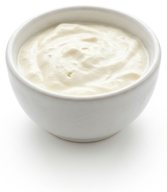
 Double cream
Use the same weight. Richer and thickens well; do not boil hard or it may split.
 Single cream
Use the same weight. Thinner; reduce other liquid or simmer the sauce to thicken.
 Full cream milk
Use 80% of the weight. No thickening; simmer to reduce and add a little ghee for richness.



 Whole milk
Use equal weight; provides the standard rich dairy fat and body expected in creamy Indian bases.
- Single cream
Dilute 3 parts cream with 1 part water to match the weight; yields a richer, glossier gravy that resists curdling.
 Plain yogurt
Whisk thoroughly and use equal weight; adds extra body and a mild pleasant acidity, best added off the heat.


 Dill leaves
Use the same weight; identical flavour, just use the leafy part.
 Coriander leaves
Use the same weight; fresh and green but loses dill's aniseed note.
 Fennel seed
Use 1 g ground fennel for 20 g dill; gives the aniseed note but not the fresh herb texture.


Similar dishes

- Same: Aloo Posto also uses potatoes as its primary ingredient.
- Different: Instead of mashing the potatoes with butter, milk, and onions, Aloo Posto cooks them in vegetable oil with a paste of poppy seeds and dried red chillies.

- Same: Both recipes use potatoes as the primary ingredient seasoned with salt.
- Different: Aloo ke Gutake is a dry saute of sliced potatoes cooked in mustard oil with cumin seed, ground turmeric, and dried red chilli, whereas this dish is a mash made with butter, milk, and onion.

- Same: Assamese Spiced Potato shares potato, onion, and salt with this dish, and both are Indian potato preparations.
- Different: Assamese Spiced Potato is a dry dish tempered with panch phoron, dried chilli, and turmeric in mustard or vegetable oil, while this dish is a mashed potato enriched with butter, cream, milk, wholegrain mustard, and dill.

- Same: Aloo Simla Mirch relies on potatoes as its primary ingredient, just like this dish.
- Different: Aloo Simla Mirch is a dry-style sabzi made with bell peppers rather than a creamy mash prepared with butter, milk, onions, mustard, and dill.