Sambhar Masala (II)
An aromatic South Indian spice powder made from toasted lentils, warming whole spices, and pungent aromatics. It delivers an earthy, robust, and moderately spicy base for lentil stews.
Sambhar masala
500 gFried, ground, and combined across steps 1 to 4Everything else
Method
- Warm 27 g peanut oil in a kadhai or heavy-based pan over medium heat. Fry 60 g urad dal and 60 g chana dal for 1 to 2 minutes until lightly golden, then transfer with a slotted spoon onto paper towels to cool.
- Return the pan to medium heat, add 10.8 g asafoetida chunk, and fry for about 20 seconds until puffed up. Remove onto paper towels to cool, then crumble it into small bits.
- Add the cooled dals and asafoetida to a spice grinder or heavy mortar along with 120 g coriander seeds, 80 g cumin seed, 34.8 g black peppercorn, 34.2 g mustard seeds, 33.3 g fenugreek seeds, and 20 g dried red chilli. Process until finely ground.
- Pour the powder into a dry bowl, incorporate 36 g ground turmeric and 15 g ground garlic, and stir thoroughly. Sift the mixture through a fine sieve, then seal inside an airtight, sterilised container.
Don't have something?


 Vegetable oil
Use equal weight. Offers a similar neutral base and high smoke point, ideal for deep-frying and high-heat tadkas.
 Mustard oil
Use equal weight, but heat to smoking point and cool slightly before using. Adds a sharp, pungent flavour that alters the dish significantly.


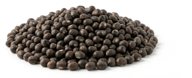 Whole black gram
Use equal weight. Needs longer soaking and cooking; the dark skins impart an earthy flavour and greyish-black hue unless thoroughly rubbed off.
 Chana dal
Use equal weight when tempering (tadka). Provides a comparable nutty, crunchy texture in hot oil, though grains are slightly larger.
 Split mung beans
Use equal weight for batters or dals. Ferments and cooks faster, producing a lighter, less sticky, and less viscous consistency.

 Yellow split peas
Use 100% of the weight. Soak for at least 1 hour; takes about 10 minutes longer to cook through and has a marginally earthier flavour.
 Pigeon peas
Use 100% of the weight. Reduces cooking time by about 10 minutes and breaks down softer, giving a smoother consistency rather than distinct grains.
- Black gram
For tempering or tadka only: use 70% of the weight. Browns faster in hot oil, providing a nutty, crunchy bite.


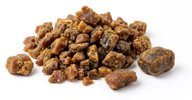
 Asafoetida
Use double the weight of compounded powder. Add straight into medium-hot fat; do not dissolve in water first, and take care not to burn it.
 Garlic paste
Use 4 times the weight. Fry gently in ghee or oil; delivers savoury depth but lacks the resinous, intense pungency of rock asafoetida.


 Ground coriander
Use 75% of the weight; stir in along with wet masala or tomato purée rather than frying in hot oil, as the fine powder burns instantly.
 Cumin seed
Use 50% of the weight for tempering in hot oil. Lacks the floral, sweet citrus flavour of coriander, introducing warm, pungent earthiness instead.
 Fennel seed
Use 50% of the weight in tempering; provides pleasant aromatic sweetness, though noticeably aniseedy rather than citrusy.


 Ground cumin
Use 70% of the weight; add with ground spices or sauce bases rather than hot oil tempering, where it scorches quickly and turns bitter.
 Black cumin seeds
Use equal weight for oil tempering. Delivers an earthy profile with an additional musky, smoky, and slightly bitter edge.
- Fennel seed
Use 60% of the weight for tempering; offers comparable warm aroma, but leans sweet and liquorice-like rather than savoury and earthy.


 Coarsely ground black pepper
Use 75% of the weight. Add midway through simmering; spreads heat evenly through the dish instead of delivering isolated bursts.
 Ground black pepper
Use 50% of the weight. Stir in near the end of cooking; significantly darkens light gravies and provides an immediate, sharp bite.


 Black mustard seed
Use the same weight. The seeds are smaller and hotter; fry in hot oil until they pop, about 20–30 seconds, and reduce the heat if they darken too fast. The dish will be a little sharper.
 Yellow mustard seeds
Use the same weight. They are milder and larger; fry a few seconds longer until they pop. The finished dish will have less pungency.
 Ground mustard seed
Use 70% of the weight of whole seed, added with the other ground spices rather than fried whole. You lose the popping texture and the heat comes through more evenly.


- Mustard seed
Use 50% of the weight, crush or grind. Sharper heat and less maple-bitter; fry briefly in oil before adding.
 Caraway seeds
Use the same weight, crush lightly. Similar bitter-seed note but more aniseed; reduce other sweet spices slightly.
 Ajwain seeds
Use 25–30% of the weight, crush. Much stronger thyme-like flavour; do not overdo.


 Dried kashmiri chilli
Use equal weight whole. Fry in hot oil or ghee as tempered spice; gives a richer red colour with slightly milder heat.
 Red chilli powder
Use 50% to 70% of the weight. Stir into the oil with ground spices; distributes heat evenly throughout the dish without whole chilli skins.


 Ground ginger
Use 50% of the weight. Mimics turmeric's warm, earthy, rhizome background, but provides none of the golden-yellow colour.
 Saffron
Steep a tiny pinch (0.1 g per 2 g turmeric) in 2 tbsp warm water; use to match the rich golden hue. Contributes an aristocratic, honeyed floral flavour rather than earthy bitterness.


 Garlic powder
Use equal weight (1:1). Behaves virtually identically, dissolving seamlessly into dry rubs or wet gravies.
- Garlic paste
Use 300% to 400% of the weight (e.g. 3–4 g paste for 1 g ground). Sauté in oil to cook off the raw moisture; imparts a fresher, sharper punch.
 Garlic
Finely mince or grate fresh cloves; use 300% to 400% of the weight. Fry gently in oil early in the cooking process to mellow the pungency.

Similar spice mixtures
- Same: Rasam Podi shares a base of roasted chana dal, urad dal, coriander seeds, cumin, black pepper, fenugreek, dried red chillies, and asafoetida with this dish.
- Different: Rasam Podi adds masoor dal and uses far more oil, but omits the mustard seeds, ground garlic, and ground turmeric used in this dish.
- Same: Both spice powders toast coriander seeds, cumin, fenugreek, black peppercorns, mustard seeds, dried red chillies, turmeric, and chana dal in oil.
- Different: Sambhar Masala (I) adds toor dal, poppy seeds, cinnamon, and curry leaves, but contains a much smaller proportion of lentils and omits the urad dal, asafoetida, and garlic found in this dish.
- Same: Kotu Podi shares the toasted chana dal, urad dal, dried red chillies, black peppercorns, cumin, coriander, and asafoetida used in this dish.
- Different: Kotu Podi adds desiccated coconut and uses a much higher ratio of lentils, but omits the mustard seeds, fenugreek seeds, turmeric, garlic, and peanut oil found in this dish.
- Same: Both blends are toasted South Indian spice powders combining coriander seeds, cumin, black peppercorns, chana dal, and dried red chillies in oil.
- Different: Chettinad Sambhar Podi uses toor dal, basmati rice, and fennel seeds, while omitting this dish's urad dal, fenugreek, mustard seeds, asafoetida, garlic, and turmeric.