Chettinad Sambhar Podi
A fragrant, deeply roasted South Indian spice blend with a balanced heat from red chillies and nutty depth from toasted lentils and rice.
Chettinad sambhar podi spices
608 gToasted in batches and ground (steps 1–3)Everything else
Method
- Pull the stems off 250 g dried red chilli from the Chettinad sambhar podi spices. Dry them in direct sunlight for 1–2 days, or toast them in a dry pan until aromatic and lightly blistered, then set aside.
- Warm a small drizzle from 40.5 g vegetable oil in a frying pan over medium heat. Working one ingredient at a time and adding a few drops of oil between batches, fry the rest of the Chettinad sambhar podi spices: toast 280 g coriander seeds, 1.5 g fennel seed, 1.6 g cumin seed, and 0.3–0.4 g black peppercorn until fragrant; fry 24 g basmati rice, 25.2 g chana dal, and 25.8 g toor dal until golden. If you sun-dried the chillies rather than dry-toasting them, fry them in a little oil for 1 minute until they darken slightly.
- Combine all the roasted ingredients and grind them in a spice mill or pound them in a mortar until reduced to a fine powder. Let the powder cool fully before sealing in an airtight container.
Don't have something?


 Dried kashmiri chilli
Use equal weight whole. Fry in hot oil or ghee as tempered spice; gives a richer red colour with slightly milder heat.
 Red chilli powder
Use 50% to 70% of the weight. Stir into the oil with ground spices; distributes heat evenly throughout the dish without whole chilli skins.


 Peanut oil
Use 1:1 by weight. Handles high-heat frying identically and introduces a very subtle, pleasant nuttiness.
 Ghee
Use 1:1 by weight. Yields a much richer, authentic aroma and a glossy, heavier mouthfeel.
 Mustard oil
Use 1:1 by weight. Heat until smoking, then cool slightly before cooking to temper its intensely pungent, sharp mustard kick.


 Ground coriander
Use 75% of the weight; stir in along with wet masala or tomato purée rather than frying in hot oil, as the fine powder burns instantly.
 Cumin seed
Use 50% of the weight for tempering in hot oil. Lacks the floral, sweet citrus flavour of coriander, introducing warm, pungent earthiness instead.
 Fennel seed
Use 50% of the weight in tempering; provides pleasant aromatic sweetness, though noticeably aniseedy rather than citrusy.

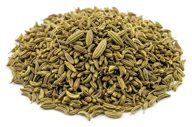 Aniseed
Use 75% of the weight. Fry in hot oil or ghee; has a sharper, more pronounced liquorice flavour, so use a lighter hand.
 Ground fennel seed
Use 60% of the weight. Stir into the sauce with ground masalas; provides identical sweet aniseed flavour without whole seed crunch.
 Star anise
Use one point (single carpel) per 1 g of fennel seeds. Simmer in gravies and remove before serving; gives a deeper, woodier liquorice aroma.


 Ground cumin
Use 70% of the weight; add with ground spices or sauce bases rather than hot oil tempering, where it scorches quickly and turns bitter.
 Black cumin seeds
Use equal weight for oil tempering. Delivers an earthy profile with an additional musky, smoky, and slightly bitter edge.
- Fennel seed
Use 60% of the weight for tempering; offers comparable warm aroma, but leans sweet and liquorice-like rather than savoury and earthy.


 Coarsely ground black pepper
Use 75% of the weight. Add midway through simmering; spreads heat evenly through the dish instead of delivering isolated bursts.
 Ground black pepper
Use 50% of the weight. Stir in near the end of cooking; significantly darkens light gravies and provides an immediate, sharp bite.


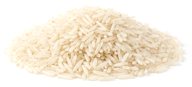
 Plain boiled rice
Use 2.5 times the weight if substituting pre-cooked rice. Fold in gently at the end of the recipe; grains will be shorter and less fragrant.


 Yellow split peas
Use 100% of the weight. Soak for at least 1 hour; takes about 10 minutes longer to cook through and has a marginally earthier flavour.
 Pigeon peas
Use 100% of the weight. Reduces cooking time by about 10 minutes and breaks down softer, giving a smoother consistency rather than distinct grains.
 Black gram
For tempering or tadka only: use 70% of the weight. Browns faster in hot oil, providing a nutty, crunchy bite.


 Red lentils
Use equal weight. Cooks considerably faster and breaks down into a softer, creamier consistency with an earthier taste.
- Chana dal
Use equal weight. Requires longer soaking and cooking; remains firmer with a nuttier bite and less starchy thickening.
 Split mung beans
Use equal weight. Cooks quickly to a lighter, more delicate, and silky texture.

Similar spice mixtures
- Same: Both are dry-roasted South Indian spice powders prepared with vegetable oil, chana dal, dried red chillies, coriander seeds, cumin, and black peppercorns.
- Different: Kotu Podi is built on a heavy base of chana dal, urad dal, and desiccated coconut with asafoetida, omitting the toor dal, basmati rice, and fennel seeds found in this dish.
- Same: Both spice blends are roasted in vegetable oil using a core base of coriander seeds, dried red chillies, cumin, black peppercorns, chana dal, and toor dal.
- Different: Sambhar Masala (I) incorporates fenugreek seeds, mustard seeds, poppy seeds, cinnamon, curry leaves, and turmeric, but omits the fennel seeds and basmati rice used in this dish.
- Same: Rasam Podi shares a base of roasted dried red chillies, coriander seeds, cumin, black peppercorns, and chana dal toasted in vegetable oil.
- Different: Rasam Podi incorporates masoor dal, urad dal, fenugreek seeds, and asafoetida with significantly more black pepper, but it omits the basmati rice, toor dal, and fennel seed used in this dish.
- Same: Both are roasted South Indian spice powders based on coriander seeds, chana dal, dried red chillies, cumin, and black peppercorns.
- Different: Sambhar Masala (II) uses peanut oil, adds urad dal, mustard seeds, fenugreek seeds, turmeric, garlic, and asafoetida, but omits the toor dal, basmati rice, and fennel seeds found in this dish.