Indian cooking
Indian cooking / Dishes / Saboodana Utthapam
Saboodana Utthapam (Sago Pancakes with Chopped Greens)

Saboodana Utthapam

Sago Pancakes with Chopped Greens
Vegetarian●●●Origin Tamil NaduPrep 30 minutes, plus soaking timeCook 15 minutes

These savoury pancakes combine soaked sago and rice flour in a tangy yoghurt batter studded with chillies, onions, and fresh herbs. Crisp on the outside and tender within, they offer a mildly spiced, refreshing flavour.

Ingredients

01
75 g
grain
02
254 g250 ml
dairy
04
150 g1 onion
vegetable
05
1 g4 leaves
herb
06
Green chilli · Hari Mirchde-seeded and chopped
36 g6 chillies
vegetable
07
~100 g1 bunch
herb
08
114 g125 ml
oil/fat
09
to taste
salt

Method

  1. Place 75 g sago and 254 g plain yogurt into a bowl, cover with water, and let soak for about 2 hours.
  2. Mix in 300 g rice flour, 150 g sliced onion, 1 g chopped curry leaf, 36 g chopped green chilli, 100 g chopped coriander leaf, and salt to taste, adding enough water to reach a smooth, pourable batter consistency.
  3. Warm a portion of the 114 g vegetable oil in a frying pan over medium-low heat, then pour in a ladleful of batter and spread it into a pancake shape.
  4. Cook for approximately 2 minutes until the bottom turns golden brown, then flip and fry the reverse side for another 2 minutes until golden.
  5. Transfer the cooked pancake to a plate and repeat the process with the remaining oil and batter.

Don't have something?

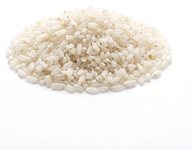
Sago
  • Short-grain rice

    Use the same weight. Soak for 30 minutes and cook 5–10 minutes longer; texture will be softer and less chewy.

  • Coarsely broken rice

    Use the same weight. Soak 20 minutes and cook until tender; it will not become as translucent as sago.

  • Coarse semolina

    Use 70% of the weight for upma-style dishes. Toast first and add 1.2 times the water; texture is grainy, not pearl-like.

Plain yogurt
  • Yogurt

    Use equal weight, whisked thoroughly until smooth before adding to hot dishes to prevent curdling.

  • Coconut milk

    Use equal weight with 1 teaspoon lemon juice mixed in. Provides rich creaminess in curries, but adds a noticeable coconut flavour.

  • Single cream

    Use 80% of the weight plus a squeeze of lemon juice for acidity. Enriches sauces nicely, though it is richer and less tangy.

Rice flour
  • Cornflour

    Use about 60–70% of the weight for thickening; for coatings use the same weight but the crust is denser.

  • Plain flour

    Use the same weight for coatings; contains gluten, browns faster and is less crisp.

  • Fine semolina

    Use the same weight for crisp coatings; coarser texture and needs a short rest.

Onion
  • Shallot

    Use equal weight, finely sliced. Shallots soften and brown faster, giving a slightly sweeter and more delicate base to curries.

  • Cabbage

    Use 80% of the weight, finely shredded and browned slowly with a pinch of asafoetida. Replicates the bulk and natural sweetness in gravies without allium.


Curry leaf
  • Bay leaf

    Fry 1 bay leaf for every 5 curry leaves in hot oil; imparts a warm, woodsy background note, but misses the citrus-sulphury punch entirely.

  • Lime juice

    Add a small squeeze (about 5 ml per sprig of curry leaves) right before serving; provides sharp citrus top notes without the toasty, herbal aroma.

Green chilli
  • Chilli powder

    Use 10 to 15% of the weight (about 1/4 teaspoon per chilli); imparts dry pungent heat and reddens the dish without the grassy crunch.

  • Dried red chilli

    Use 1 dried pod per fresh green chilli; snap in half and temper in hot oil for a deeper, toastier heat.

Coriander leaf
  • Coriander

    Use equal weight finely chopped; this is the exact same fresh herb.

  • Mint

    Use half the weight finely chopped; provides vibrant green freshness, though the flavour profile becomes noticeably cooler and sharper.

Vegetable oil
  • Peanut oil

    Use 1:1 by weight. Handles high-heat frying identically and introduces a very subtle, pleasant nuttiness.

  • Ghee

    Use 1:1 by weight. Yields a much richer, authentic aroma and a glossy, heavier mouthfeel.

  • Mustard oil

    Use 1:1 by weight. Heat until smoking, then cool slightly before cooking to temper its intensely pungent, sharp mustard kick.

Similar dishes

Saboodana Vada
Sago Patties
Saboodana Vada tastes richer and nuttier from the potatoes and peanuts, lacking the sour tang of the yogurt and the herbaceous bite of the greens in this dish.
  • Same: Saboodana Vada also uses sago and green chillies cooked in vegetable oil to yield a crisp exterior and a tender interior.
  • Different: Instead of being griddled from a yogurt and rice flour batter with onions and fresh greens, Saboodana Vada binds the sago with mashed potatoes and crushed peanuts before deep-frying.
Saboodane ki Khichari
Sago Flavoured with Coconut & Coriander (Cilantro)
Saboodane ki Khichari has an earthy, slightly sweet, and citrusy flavor from the cumin, sugar, and lemon, whereas this dish tastes distinctly tangy from the plain yogurt.
  • Same: Both dishes feature sago seasoned with green chillies and fresh coriander leaf.
  • Different: Saboodane ki Khichari is a dry stir-fry made with potatoes, cumin seed, coconut, and lemon juice, whereas this dish is a griddle-cooked pancake made with yogurt, onions, and curry leaves.
Saboodana Khichari
Sago Flavoured with Coconut & Coriander (Cilantro)
Saboodana Khichari tastes nutty, sweet, and citrusy, whereas this dish is tangier from the yogurt and more savoury from the onions.
  • Same: Both dishes use sago pearls seasoned with green chillies and fresh coriander.
  • Different: Instead of frying a yogurt batter with onions into pancakes, Saboodana Khichari is a stir-fried dish prepared with potatoes, coconut, cumin seeds, and lemon juice.
Akki Roti
Rice Roti from Karnataka
Akki Roti tastes nuttier and richer from coconut and ghee with a ginger warmth, while this dish is more tangy from yoghurt and has sago making it tender inside and crisp outside.
  • Same: Akki Roti shares a rice-flour base with chopped onion, green chilli, coriander and salt, and both are cooked as savoury griddle breads with vegetable oil.
  • Different: Akki Roti lacks sago and curry leaves; it adds fresh coconut, ginger, ghee and soured yoghurt, and is often patted onto banana leaf, while this dish is a yoghurt batter with soaked sago.