Indian cooking
Indian cooking / Dishes / Pyaz ki Chutney
Pyaz ki Chutney (Onion Chutney)

Pyaz ki Chutney

Onion Chutney
Vegetarian●●●Origin HyderabadPrep 35 minutes, plus cooling timeMakes 400g / 14oz

A robust, tangy South Indian condiment made from caramelized onions, toasted lentils, and tamarind, finished with a fragrant mustard-seed tempering. It pairs deep savory notes with a bright, spicy kick.

Asafoetida

0.3 gAdded with the onions (step 2)
01
~0.3 gpinch
spice
Keep ready to tip into the pan.

Chutney chillies

2 gFried with the aromatics (step 3)
Leave whole.

Tempering spices

7 gFried in hot oil (step 5)
02
4.9 g½ tablespoon
spice
Keep whole; they go into the hot oil together.

Everything else

01
54 g3 tablespoons
souring agent
02
81 g6 tablespoons
oil/fat
03
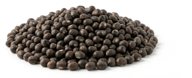
Black gram · Urad Dalrinsed, drained and dried
100 g
legume
04
250 g
vegetable
05
Fresh ginger · Adrakroughly chopped
10 g
aromatic
06
Garlic · Lehsunroughly chopped
8 g2½ teaspoons
aromatic
07
to taste
salt
08
9 g2 teaspoons
oil/fat

Method

  1. Combine 3 tbsp tamarind pulp with 2 tbsp of water in a small dish and stir until smooth.
  2. Warm 81 g peanut oil in a frying pan over medium heat. Tip in 100 g urad dal and cook for roughly 2 minutes until lightly golden. Add the asafoetida and 250 g onion, cooking for another 1 to 2 minutes until the onions turn soft and pink.
  3. Add the chutney chillies, 10 g fresh ginger, 2.5 tsp garlic, and the prepared tamarind mixture to the pan. Sauté for 1 to 2 minutes, then take the pan off the heat and allow the contents to cool completely.
  4. Tip the cooled mixture into a blender or food processor along with 4 tbsp of water. Pulse into a textured, coarse paste, then spoon into a serving bowl.
  5. Warm 9 g peanut oil in a small skillet over medium heat. Tip in the tempering spices and fry for about 1 minute until the mustard seeds crackle and pop.
  6. Pour the hot spiced oil directly over the chutney, season with salt to taste, and mix thoroughly before serving.

Don't have something?

Tamarind pulp
  • Tamarind paste

    Use 70–80% of the weight, dilute with water and strain; paste is more concentrated.

  • Tamarind extract

    Use 150% of the weight and reduce; extract is thinner and less fibrous.

  • Lime juice

    Use 60% of the weight plus a pinch of jaggery; sharper and lacks body, so thicken if needed.

Peanut oil
  • Vegetable oil

    Use equal weight. Offers a similar neutral base and high smoke point, ideal for deep-frying and high-heat tadkas.

  • Mustard oil

    Use equal weight, but heat to smoking point and cool slightly before using. Adds a sharp, pungent flavour that alters the dish significantly.

Urad dal
  • Whole black gram

    Use equal weight. Needs longer soaking and cooking; the dark skins impart an earthy flavour and greyish-black hue unless thoroughly rubbed off.

  • Chana dal

    Use equal weight when tempering (tadka). Provides a comparable nutty, crunchy texture in hot oil, though grains are slightly larger.

  • Split mung beans

    Use equal weight for batters or dals. Ferments and cooks faster, producing a lighter, less sticky, and less viscous consistency.

Asafoetida
  • Garlic powder

    Use double the weight. Stir into hot oil just before adding wet ingredients; mimics the allium savoury background without the sulphurous edge.

  • Garlic paste

    Use 2 g for every 0.5 g of asafoetida. Sauté in oil until the raw smell clears; adds moisture and sweet allium depth.

Onion
  • Shallot

    Use equal weight, finely sliced. Shallots soften and brown faster, giving a slightly sweeter and more delicate base to curries.

  • Cabbage

    Use 80% of the weight, finely shredded and browned slowly with a pinch of asafoetida. Replicates the bulk and natural sweetness in gravies without allium.

Dried red chilli
  • Dried kashmiri chilli

    Use equal weight whole. Fry in hot oil or ghee as tempered spice; gives a richer red colour with slightly milder heat.

  • Red chilli powder

    Use 50% to 70% of the weight. Stir into the oil with ground spices; distributes heat evenly throughout the dish without whole chilli skins.

Fresh ginger
  • Ginger paste

    Use equal weight. Sauté in hot fat until the raw allium smell disappears; slightly wetter, but provides identical warmth and pungency.

  • Ground ginger

    Use 20% to 25% of the weight (1 g for every 4 to 5 g fresh). Stir into the gravy; adds peppery heat and warmth, though it misses the crisp, zesty kick of raw root.

Garlic
  • Garlic paste

    Use equal weight. Fry gently in oil or ghee with the ginger; incorporates smoothly into curries without visible minced bits.

  • Garlic powder

    Use 15% to 20% of the weight (about 1 g for every 5 to 6 g fresh cloves). Whisk into sauces; gives a savoury, toasted garlic flavour without raw pungency.

  • Shallot

    Use 1.5 times the weight, very finely minced. Sauté until golden; provides savoury allium sweetness, though it lacks garlic's pungent sulphur bite.

Mustard seed
  • Black mustard seed

    Use the same weight. The seeds are smaller and hotter; fry in hot oil until they pop, about 20–30 seconds, and reduce the heat if they darken too fast. The dish will be a little sharper.

  • Yellow mustard seeds

    Use the same weight. They are milder and larger; fry a few seconds longer until they pop. The finished dish will have less pungency.

  • Ground mustard seed

    Use 70% of the weight of whole seed, added with the other ground spices rather than fried whole. You lose the popping texture and the heat comes through more evenly.


Similar dishes

Sukhi Urad ki Dal
Dry Black Lentils
Sukhi Urad ki Dal tastes buttery, earthy, and mildly spiced from the ghee and cumin, lacking the intense onion savor of this dish.
  • Same: Sukhi Urad ki Dal also features urad dal flavored with ginger, dried red chillies, and asafoetida.
  • Different: It is cooked as a dry, whole-lentil side dish with ghee, cumin, turmeric, and green chillies rather than a puréed condiment packed with onions, garlic, peanut oil, and mustard seeds.
Mysore Bonda
Fried Spicy Onion Snacks
Mysore Bonda is mildly spiced, rich, and coconut-forward, lacking the sharp tang of tamarind and the pungent ginger-garlic heat found in this dish.
  • Same: Both dishes rely on a base of urad dal and chopped onions seasoned with chillies.
  • Different: Mysore Bonda mixes soaked, ground urad dal with fresh coconut, green chillies, and coriander to deep-fry into fritters, whereas this dish sautés the lentils and onions with dried red chillies, ginger, and garlic in peanut oil to blend into a tempered condiment.
Puli Bongaralu
Rice Flour & Lentil Snacks
Puli Bongaralu is savory and crisp with a fresh heat from green chillies, lacking the sweet, caramelized notes and garlic pungency of this dish.
  • Same: Puli Bongaralu shares a base of onions, urad dal, ginger, and a tempering of mustard seeds, dried red chillies, and asafoetida with this dish.
  • Different: Instead of being a blended condiment made with peanut oil and garlic, it is a fried snack made from a lentil dough with added chana dal, green chillies, and curry leaves cooked in vegetable oil.
Masoor ki Chutney
Egyptian Lentil Chutney
Masoor ki Chutney is more nutty, earthy, and distinctly sour from coconut and tamarind, while this dish is sweeter and more pungently spiced with ginger and caramelized onion.
  • Same: Both condiments combine toasted lentils and onions with garlic, dried red chillies, asafoetida, and a mustard-seed tempering.
  • Different: Masoor ki Chutney uses masoor dal, dried coconut, tamarind extract, cumin, and curry leaves cooked in vegetable oil, whereas this dish relies on urad dal, ginger, and peanut oil with onions cooked directly into the base.