Bhindi Masala
A dry-style okra dish with whole cumin and a tangy ground-spice coating, finished with lemon and fresh coriander. The okra stays tender and the flavour is warm, sour and lightly spicy.
Whole cumin for the oil
2.1 gAdded to the hot oil before the okra (step 2)Ground spices for the okra
4.3 gAdded to the okra in two parts during cooking (steps 3–4)Coriander garnish
3 gScattered over at the end (step 5)Everything else

Method
- Dry 400 g okra thoroughly with kitchen paper. Trim the stem and tip from each pod and cut it into three pieces.
- Heat a wide frying pan over medium heat. Pour in 40.5 g vegetable oil and, once hot, add the whole cumin for the oil (2.1 g cumin seed). Let it sizzle for 10–20 seconds. Add the okra and toss gently so the oil coats it. Cover and cook for 1 minute. Remove the lid, shake the pan twice without stirring, cover again and cook for 4 minutes more.
- Add the ground spices for the okra (1.2 g kashmiri chilli powder or mild paprika and 1.8 g ground coriander). Stir once, cover and fry for 2 minutes.
- Stir in the amchoor from the ground spices for the okra (1.3 g) and salt to taste. Remove from the heat and let it cool for a few minutes.
- Scatter over the coriander garnish (3 g coriander leaves) and add 5.1 g lemon juice just before serving.
Don't have something?
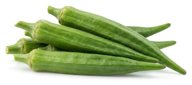
 Cluster bean
Use the same weight, topped, tailed and cut into similar pieces. It is firmer and less mucilaginous; cook a few minutes longer until tender.
 Green bean
Use the same weight, trimmed and cut into short lengths. It cooks faster and stays crisp; add towards the end and expect no okra stickiness.
 Aubergine
Use the same weight, cut into small pieces and cook until soft. It gives a soft, seedy texture but no okra mucilage and absorbs more oil.


 Peanut oil
Use 1:1 by weight. Handles high-heat frying identically and introduces a very subtle, pleasant nuttiness.
 Ghee
Use 1:1 by weight. Yields a much richer, authentic aroma and a glossy, heavier mouthfeel.
 Mustard oil
Use 1:1 by weight. Heat until smoking, then cool slightly before cooking to temper its intensely pungent, sharp mustard kick.


 Ground cumin
Use 70% of the weight; add with ground spices or sauce bases rather than hot oil tempering, where it scorches quickly and turns bitter.
 Black cumin seeds
Use equal weight for oil tempering. Delivers an earthy profile with an additional musky, smoky, and slightly bitter edge.
 Fennel seed
Use 60% of the weight for tempering; offers comparable warm aroma, but leans sweet and liquorice-like rather than savoury and earthy.


 Kashmiri chilli powder
Use the same weight; this is the first half of the book's option and gives the best red colour with mild heat.
 Mild paprika
Use the same weight; add a pinch of cayenne pepper for warmth. Slightly less colour.
- Paprika
Use the same weight and add cayenne pepper to taste; works but is less aromatic.



 Coriander seeds
Dry-roast lightly in a pan and grind to a fine powder; use equal weight (1:1). Offers a noticeably fresher, brighter citrus note.
- Ground cumin
Use 50% to 75% of the weight. Lacks the floral, citrusy profile of coriander and turns the gravy heavier, earthier, and darker.
 Garam masala
Use 50% of the weight and stir in near the end of cooking. Adds warmth and depth since it contains ground coriander, but introduces stronger spices like clove and cinnamon.


 Lemon juice
Use 15 g (1 tbsp) for every 5 g of amchoor. Stir in at the very end off the heat; adds liquid and fresh citrus aroma rather than dry fruity tang.
 Tamarind extract
Use 75% of the weight, dissolved in a splash of warm water. Simmer briefly; darkens the gravy and provides a deeper, caramelised sourness.


 Coriander (cilantro) or basil
Use the same weight, choosing the coriander element if available. If only basil is available, expect a sweeter, more aniseed flavour.
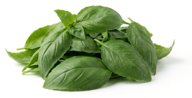 Basil leaves
Use the same weight. Basil is sweeter and more aromatic in a different way; add near the end so it keeps its perfume.
 Coriander paste
Use 1.5 times the weight and reduce other liquid slightly; it is less fresh and more concentrated, so taste before adding more.


 Lime juice
Use equal volume or weight; delivers almost identical sharp acidity with a faintly more aromatic, bitter-edged profile.
- Dried mango powder
Use 25% of the weight (about 1 g amchoor for 4 g juice); provides clean fruity tartness without thinning the sauce.
 White vinegar
Use 75% of the volume; gives direct sourness without any citrus floral fragrance.

Similar spice mixtures
- Same: Chaat Masala shares cumin and amchoor with this dish, so both get warmth and sourness from ground spices.
- Different: It is a dry ground spice blend rather than a cooked okra dish, and it lacks okra, vegetable oil, lemon juice and fresh coriander while adding black salt, black pepper, dried mint, ajwain, asafoetida, tartaric acid, ginger and yellow chilli.
- Same: Punjabi Bhuna Gosht shares vegetable oil, cumin seed, Kashmiri chilli powder, ground coriander, salt and fresh coriander with this dish.
- Different: Punjabi Bhuna Gosht is a slow-cooked bone-in lamb curry with onions, garlic, ginger, yoghurt, water and whole spices, while this dish is a dry okra dish with amchoor and lemon juice and no meat, onion, yoghurt or water.