Chaat Masala
A sharp, savoury, and tart spice blend with distinctive pungent notes from black salt and dried mango. It is used across Indian cooking to season street foods, salads, snacks, and fresh fruit.
Chaat masala
396 gGround with the black salt and tartaric acid (step 1)Everything else


Method
- Put the chaat masala, 78 g black salt and 3.9 g tartaric acid into a spice grinder and grind until finely milled.
- Tip the ground mixture into a dry bowl and incorporate 60.9 g salt, stirring thoroughly.
- Pass the blended spices through a fine-mesh sieve, then transfer to a clean, dry, airtight container to store.
Don't have something?


 Ground cumin
Use 70% of the weight; add with ground spices or sauce bases rather than hot oil tempering, where it scorches quickly and turns bitter.
 Black cumin seeds
Use equal weight for oil tempering. Delivers an earthy profile with an additional musky, smoky, and slightly bitter edge.
 Fennel seed
Use 60% of the weight for tempering; offers comparable warm aroma, but leans sweet and liquorice-like rather than savoury and earthy.


 Coarsely ground black pepper
Use 75% of the weight. Add midway through simmering; spreads heat evenly through the dish instead of delivering isolated bursts.
 Ground black pepper
Use 50% of the weight. Stir in near the end of cooking; significantly darkens light gravies and provides an immediate, sharp bite.


 Mint
Use 3 to 4 times the weight, finely chopped. Stir in towards the very end of cooking; provides a fresher, brighter herbal lift rather than deep, concentrated menthol.
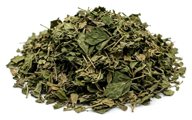 Dried fenugreek leaves
Use equal weight, crushed between your palms. Offers savoury, earthy bitterness rather than cooling mint, but works nicely in marinades and rich gravies.


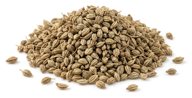 Carom seed
Use the same weight; this is the same spice.
- Cumin seed
Use 75% of the weight, toasted; different, less medicinal flavour.
- Fennel seed
Use 50% of the weight, crushed; sweeter and milder.


 Garlic powder
Use double the weight. Stir into hot oil just before adding wet ingredients; mimics the allium savoury background without the sulphurous edge.
 Garlic paste
Use 2 g for every 0.5 g of asafoetida. Sauté in oil until the raw smell clears; adds moisture and sweet allium depth.


 Dried mango powder
Use double the weight. Adds a sharp, dry tang, though it introduces a pale beige colour and mild fruitiness.
 Lemon juice
Use 3 to 4 times the weight, added off the heat. Introduces liquid volume and a distinct citrus note.


- Lemon juice
Use 15 g (1 tbsp) for every 5 g of amchoor. Stir in at the very end off the heat; adds liquid and fresh citrus aroma rather than dry fruity tang.
 Tamarind extract
Use 75% of the weight, dissolved in a splash of warm water. Simmer briefly; darkens the gravy and provides a deeper, caramelised sourness.


 Ginger paste
Use 300% to 400% of the weight (e.g. 3–4 g paste for 1 g ground). Fry in oil alongside onions; provides a juicy, pungent kick rather than a dry, baking-spice heat.
 Fresh ginger
Peel and grate finely; use 300% to 400% of the weight. Add to the hot oil early; delivers bright, peppery warmth rather than the mellow, woody heat of dry ginger.
 Ground mace
Use 50% of the weight. Imparts a warm, spicy undertone in rich gravies, but lacks ginger's fiery, sharp zest.


 Green chilli
Use 100% of the weight, finely minced or ground into a smooth paste. Provides sharp heat while preserving the light colour of delicate kormas.
 Kashmiri chilli powder
Use 50% to 75% of the weight. It brings mild heat but will turn pale or white sauces noticeably orange-red.
 Red chilli powder
Use 50% of the weight. Gives strong, sharp heat, but will stain cream-based or yellow Mughlai gravies red.


Similar spice mixtures
- Same: Tandoori Chaat Masala shares a base of amchoor, black salt, cumin, black pepper, dried mint, ajwain, ginger, and yellow chilli powder with this dish.
- Different: It adds fenugreek seeds, green cardamom, cloves, cinnamon, and mace, while omitting the tartaric acid found in this dish.
- Same: Garam Masala (I) shares cumin seeds, black peppercorns, and ground ginger with this dish.
- Different: Garam Masala (I) includes coriander seeds and both green and black cardamom pods, but it lacks the amchoor, tartaric acid, black salt, table salt, mint, ajwain, asafoetida, and yellow chilli powder used here.
- Same: Kotu Podi shares cumin seed, black peppercorn, and asafoetida with this dish.
- Different: Kotu Podi uses chana dal, urad dal, and desiccated coconut roasted in vegetable oil, while lacking the amchoor, tartaric acid, black salt, and dried mint of this dish.
- Same: Rasam Podi shares cumin seed, black peppercorns, and asafoetida with this dish.
- Different: Rasam Podi is made with three types of dal and whole spices toasted in vegetable oil, but it omits the amchoor, black salt, mint, ajwain, and tartaric acid used in this dish.