
Beetroot Pachadi
Beetroot pachadi is a South Indian yogurt-based side dish made with cooked beetroot, a coconut-mustard paste and a mustard-chilli-curry leaf tempering. It tastes tangy and earthy, with a mild heat from the red chilli.
Tempering spices
3.3 gAdded to the hot oil for the tempering (step 6)Paste spices
1.8 gBlended into the coconut paste (step 3)Everything else

Method
- Grate 150 g cooked beetroot into a bowl.
- Stir in 100 g yogurt and salt to taste.
- For the paste, blend 50 g coconut, 10 g fresh ginger, the paste spices and a little water to a smooth paste.
- Fold the paste through the beetroot mixture.
- Heat 13.5 g vegetable oil in a frying pan over medium heat.
- Add the tempering spices. When the mustard seeds begin to pop, cut the heat.
- Add 2.5–3 g curry leaf.
- Pour the pan contents into the beetroot mixture, stir and serve.
Don't have something?


 Carrot
Use the same weight; grate or dice. Cooks 5 minutes faster and gives orange colour, not pink, with a sweeter taste.
 Sweet potato
Use the same weight; cube and cook similarly. Sweeter and less earthy, with a softer texture.
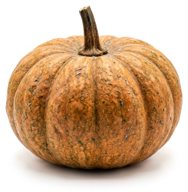 Pumpkin
Use the same weight; cube and cook 5 minutes less. Milder and softer, so the colour and earthiness are lost.


 Plain yogurt
Use 100% of the weight. Whisk thoroughly until smooth before stirring into warm gravies to prevent curdling.
 Single cream
Use 90% of the weight combined with 10% lemon juice to replicate the lactic tang and rich body in marinades and curries.


 Peanut oil
Use 1:1 by weight. Handles high-heat frying identically and introduces a very subtle, pleasant nuttiness.
 Ghee
Use 1:1 by weight. Yields a much richer, authentic aroma and a glossy, heavier mouthfeel.
 Mustard oil
Use 1:1 by weight. Heat until smoking, then cool slightly before cooking to temper its intensely pungent, sharp mustard kick.


 Mustard seeds
Use equal weight. Pop in hot fat until they crackle and turn greyish; yields an almost identical nutty, pungent finish.
 Yellow mustard seeds
Use equal weight. Fry over medium heat; delivers a milder, sweeter pop and turns bitter quickly if the oil is excessively hot.


 Dried kashmiri chilli
Use the same weight; similar mild heat and good colour. Remove seeds if you want it milder.
 Kashmiri red chilli powder
Use half the weight of whole chilli (1 g powder for 2 g whole); add to hot oil briefly so it does not burn.
 Paprika
Use the same weight; sweeter and milder, good for colour. Add a pinch of cayenne pepper if you need heat.


 Bay leaf
Fry 1 bay leaf for every 5 curry leaves in hot oil; imparts a warm, woodsy background note, but misses the citrus-sulphury punch entirely.
 Lime juice
Add a small squeeze (about 5 ml per sprig of curry leaves) right before serving; provides sharp citrus top notes without the toasty, herbal aroma.

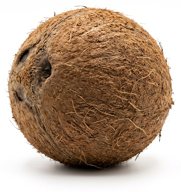
 Fresh coconut
Use equal weight freshly grated or diced. Delivers the identical sweet, milky taste and juicy texture.
 Desiccated coconut
Use 60% of the weight and soak in hot water or milk for 15 minutes before using. The finished dish will be slightly sweeter and less fibrous.
 Dried coconut
Finely grate and use 50% of the weight, soaked in hot water for 20 minutes. Yields a firmer chew and a denser, oilier coconut aroma.


 Ginger paste
Use equal weight. Sauté in hot fat until the raw allium smell disappears; slightly wetter, but provides identical warmth and pungency.
 Ground ginger
Use 20% to 25% of the weight (1 g for every 4 to 5 g fresh). Stir into the gravy; adds peppery heat and warmth, though it misses the crisp, zesty kick of raw root.


Similar dishes

- Same: Cucumber Pachadi and this dish are both yogurt-based pachadis with coconut, mustard seeds, dried red chilli, curry leaves, vegetable oil and salt.
- Different: Cucumber Pachadi uses 450 g cucumber, Greek yogurt, cumin seed, green bird's-eye chilli, caster sugar, coriander and turmeric, and it does not use beetroot or ginger; this dish uses cooked beetroot, yogurt, coconut and ginger.

- Same: Tamil Keerai Poriyal shares with this dish a South Indian tempering of black mustard seed, dried mild red chilli and curry leaf, plus fresh coconut and vegetable oil.
- Different: Unlike this dish, Tamil Keerai Poriyal is a dry spinach stir-fry with onion, cashew, urad dal, kashmiri chilli powder and coriander, uses much more vegetable oil, and has no yogurt or beetroot.

- Same: It shares coconut, black mustard seed, dried mild red chilli, curry leaf and vegetable oil with this dish, and both use a mustard-seed tempering.
- Different: It is a ground chutney with roasted cashew, roasted chana dal, green bird's-eye chilli, tamarind paste, caster sugar and asafoetida, while this dish is a yogurt-based pachadi with cooked beetroot and a coconut-mustard paste and has no cashew, chana dal, tamarind, sugar or asafoetida.

- Same: Mor Keerai Kuzhambu shares yogurt, coconut, black mustard seed, ginger and a mustard-tempering style with this dish.
- Different: It uses spinach, cumin seed, fenugreek seed, turmeric and green bird's-eye chilli, and lacks beetroot and dried red chilli; it also has much more yogurt and added water.