
Ar Sawchiar
A fragrant, gently simmered Mizo chicken and rice preparation infused with smoky charred poultry, warming whole spices, and bitter greens.
Simmering spices
4.2 gAdded to the boiling water to create the aromatic broth (step 3)Everything else

Method
- Cover 200 g basmati rice with water, let it soak for 30 minutes, and drain thoroughly.
- Brown 1 whole chicken over hot charcoal for 20 to 30 minutes, turning regularly, or cook in an oven set to 120°C (250°F) for 20 minutes. Divide the charred bird into 8 portions.
- Bring 600 ml of water to a vigorous boil in a large saucepan. Add the simmering spices along with the chillies, celery, leeks, and mustard greens, then turn down the heat and gently simmer for 15 minutes.
- Stir in the drained basmati rice, bring the liquid back up to a boil, and simmer gently for 10 minutes until par-cooked.
- Add the roasted chicken portions and salt to taste. Continue simmering over low heat for 20 to 30 minutes until the poultry is tender and the grains have softened fully.
- Fold in 2 tablespoons of rice beer or wine, then take the pan off the heat.
Don't have something?

 Plain boiled rice
Use 2.5 times the weight if substituting pre-cooked rice. Fold in gently at the end of the recipe; grains will be shorter and less fragrant.


 Chicken pieces
Use the same weight; joints cook faster, so reduce roasting time by 15–20 minutes and check at the bone.
 Chicken breast and leg pieces
Use the same weight; brown breast later or remove earlier as it dries out.
 Chicken leg
Use the same weight; legs need 10–15 minutes more than breast, so cook to tenderness.


 Green cardamom seed
Use 35 to 40% of the total pod weight; lightly bruise the seeds before frying in oil to release their essential oils.
 Ground green cardamom
Use 20 to 25% of the pod weight (about 1 generous pinch per pod); stir in toward the end of cooking so the delicate floral notes do not dissipate.
 White cardamom pod
Use 1:1 by pod count or weight; crack gently before using, though it is slightly less intensely floral.


 Ground black cardamom
Use 0.5 g of ground seeds for each whole pod. Stir directly into the curry base; delivers identical smoky flavour without woody husks.
- Green cardamom pod
Use equal pod count or weight. Crack slightly and fry whole; tastes sweet, menthol-fresh, and floral rather than dark and smoky.


 Cinnamon stick
Use a 2 cm piece (about 1 g) for every 1 to 2 bay leaves. Fry in whole-spice temperings; provides the cassia-like warmth typical of Indian tejpatta.
 Ground cinnamon (cassia)
Use 0.5 g per leaf. Stir into the sauce during simmering; gives the same warm woodiness but darkens the colour slightly.


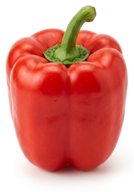 Red bell pepper
Use the same weight, deseed and chop; it gives colour with little heat. Add green chilli separately if you want pungency.
 Fresh green chilli
Use the same weight; heat is similar but the colour will be green rather than red.
 Red chilli paste
Use 70% of the weight and stir in earlier. Adjust salt and heat carefully.


 Coriander leaf
Use the same weight; chop and add at the end. It gives a fresh green finish but a different, citrusy flavour.
 Dill leaves
Use 50–70% of the weight; chop and add near the end. Dill is much stronger, so use sparingly.
 Fenugreek leaves
Use 50% of the weight; chop and add at the end. It is bitter and aromatic, so it changes the dish noticeably.


 Mustard greens
Same leafy vegetable; use the same weight, wash well and shred. Cook until wilted, 5-8 minutes.
 Spinach
Use the same weight; much milder, so add a pinch of mustard powder or a few mustard seeds for bite. Cook 2-3 minutes less.
 Collard greens
Use the same weight, shred finely; cook 5-8 minutes longer until tender. Bitterness is closer than spinach.


 Black peppercorn
Use 1:1 by weight; pulverise in a spice mill or mortar to a fine powder for immediate, punchy heat.
 Coarsely ground black pepper
Use equal weight; offers the same bite, though it gives a visibly speckled finish and firmer crunch.


 Chinese rice wine
Use the same weight; similar fermented rice flavour but often stronger, so taste as you add.
 Toddy or beer
Use the same weight; lighter and fizzier, add near the end of cooking.
 Brandy or rum
Use about 30% of the weight diluted with water; gives alcohol but not the fermented rice taste.


Similar dishes
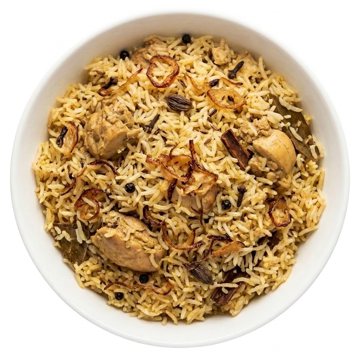
- Same: Murg Pulao shares a base of basmati rice and chicken simmered with shared whole spices like black cardamom, green cardamom, bay leaves, and black pepper.
- Different: Murg Pulao adds ghee, fried onions, ginger, garlic, yogurt, cinnamon, and cumin cooked in poultry stock, whereas this dish includes mustard greens and omits the dairy, aromatics, and added cooking fat.

- Same: Both are aromatic basmati rice dishes simmered with warming whole spices including bay leaves, green cardamom, and black cardamom.
- Different: Kashmiri Pulao is cooked in mutton-bone broth with ghee, onions, fennel seeds, cinnamon, and black cumin, whereas this dish features chicken, mustard greens, and black pepper.

- Same: Malyali Kozhi Biryani shares chicken, basmati rice, cardamom, bay leaf, black pepper and fresh chilli with this dish.
- Different: It adds ginger-garlic paste, onion, curry leaves, turmeric, fennel, coriander, garam masala, cassia, coconut milk, vegetable oil, butter, cashews and raisins, and it is layered, while this dish has mustard leaves and rice beer or rice wine and simmers charred chicken with rice.

- Same: Both are chicken and basmati rice dishes flavored with whole spices including bay leaves and green cardamom.
- Different: Odi Pulao is layered and slow-cooked with ghee, milk, cream, yogurt, coconut milk, and nut paste, whereas this dish cooks the rice with black cardamom and black pepper without dairy or rich pastes.