Indian cooking
Appam (Rice Pancakes with Coconut Milk)

Appam

Rice Pancakes with Coconut Milk
VegetarianOrigin KeralaPrep 30 minutes, plus soaking and standing timeCook 15–20 minutesMakes 8–10

These delicate South Indian pancakes feature thin, crispy, lacy rims surrounding a soft, pillowy centre. Fermented with yeast and coconut milk, they carry a gentle sweetness balanced by a mild tang and subtle cumin aroma.

Batter spices

2.6 gAdded to the blender with the rice (step 3)
01
2.6 g1 teaspoon
spice
Ready to blend into the batter.

Everything else

01
Rice · Chawalrinsed and drained
200 g
grain
02
158 g1 cup
grain
03
0.8 g¼ teaspoon
other
04
4.2 g1 teaspoon
sweetener
06
68 g5 tablespoons
oil/fat
07
~0.3 gpinch
salt

Method

  1. Submerge 200 g rice in water to soak for 3 hours, then drain thoroughly.
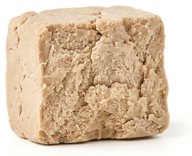
  2. Combine 0.25 teaspoon yeast with roughly half of the 4.2 g granulated sugar and 30 ml lukewarm water, leaving it undisturbed for 1 hour until frothy.
  3. Place the drained rice, 1 cup cooked rice, the yeast liquid, the batter spices, and 180 ml water into a blender. Process until completely smooth, drizzling in up to 30 ml additional water if necessary to achieve a fine paste.
  4. Pour the pureed batter into a large mixing bowl and fold in 254 g coconut milk, fresh or canned. Set the bowl aside to rest and ferment for roughly 8 hours.
  5. Just prior to cooking, fold 0.3 g salt and the rest of the granulated sugar into the batter.
  6. Lightly grease an appachatti, tawa, or heavy non-stick frying pan using a little of the 67.5 g vegetable oil and set it over heat. Add a ladle of batter, swirling the pan so the mixture spreads thinly up the sides while pooling in the middle. Put a lid on and cook on very low heat for around 2 minutes until the perimeter is golden and crisp and the core is spongy and set. Transfer to a warm plate and repeat for the remaining batter.

Don't have something?

Rice
  • Basmati rice

    Use the same weight; rinse and soak as needed. Fluffier and drier, so use slightly less water.

  • Long-grain rice

    Use the same weight; similar behaviour, adjust water to your usual method.

  • Short-grain rice

    Use the same weight; stickier and softer, so reduce water and avoid stirring.

Cooked rice
  • Cooked basmati rice

    Use the same weight. It is more aromatic and holds its shape better; break up any clumps gently.

  • Plain boiled rice

    Use the same weight. It is plainer and may be softer; drain well and warm through without over-stirring.

  • Steamed rice

    Use the same weight. It is wetter and softer, so drain thoroughly and adjust any added liquid.

Dried yeast
  • Fast-action dried yeast

    Use the same weight. Mix straight into the flour as the recipe directs; no need to activate first. Proves a little faster.

  • Fresh yeast

    Use about 2.5 times the weight. Crumble into warm liquid with a little sugar and leave for 10 minutes before mixing. Slower and shorter-lived.

Granulated sugar
  • Jaggery

    Use equal weight; grate or shave finely so it dissolves rapidly, giving a warm, caramel-like sweetness and slightly darker sauce.

Ground cumin
  • Cumin seed

    Dry-roast briefly and grind finely; use equal weight (1:1). Imparts an even punchier, nuttier, toasty aroma than pre-ground cumin.

  • Ground coriander

    Use equal weight (1:1). Adds mild, lemony sweetness rather than cumin's smoky, earthy bite; curries will taste lighter and less savoury.

  • Black cumin seeds

    Grind finely; use 60% to 75% of the weight. Produces a darker, more complex, smoky-herbal flavour suited to rich gravies.

Coconut milk
  • Single cream

    Use equal weight; simmer gently over low heat to prevent curdling. Imparts a comparable rich texture, though it adds dairy richness without any coconut fragrance.


  • Cashew paste

    Whisk 1 part cashew paste with 2 parts water to match the consistency, then use equal weight. Provides a thick, velvety body without coconut flavour.

  • Whole milk

    Use equal weight, but reduce other cooking liquids by 20% to compensate for the lower viscosity. The curry will be lighter and lack sweetness.

Vegetable oil
  • Peanut oil

    Use 1:1 by weight. Handles high-heat frying identically and introduces a very subtle, pleasant nuttiness.

  • Ghee

    Use 1:1 by weight. Yields a much richer, authentic aroma and a glossy, heavier mouthfeel.

  • Mustard oil

    Use 1:1 by weight. Heat until smoking, then cool slightly before cooking to temper its intensely pungent, sharp mustard kick.

Similar dishes

Arisi Pulao
Steamed Rice & Coconut Snacks
Arisi Pulao offers a simpler, nutty coconut flavor without the fermented tang or earthy cumin notes of this dish.
  • Same: Arisi Pulao also pairs rice and coconut seasoned lightly with sugar and salt.
  • Different: Arisi Pulao is steamed rather than pan-fried in oil, uses fresh grated coconut instead of coconut milk, and omits ground cumin and yeast.
Yel Adai
Coconut & Rice Pancakes
Yel Adai is significantly sweeter and aromatic with cardamom and lime, contrasting with the subtly sweet, cumin-scented, and mildly tangy flavor of this dish.
  • Same: Yel Adai shares a foundation of rice and coconut with this dish, along with a sweet element and salt.
  • Different: Yel Adai is filled with fresh coconut and jaggery, spiced with cardamom, enriched with ghee, and steamed in banana leaves, whereas this dish uses coconut milk and cumin, cooks in vegetable oil, and is pan-fried.
Puttu
Steamed Rice with Coconut
Puttu has a simple, nutty coconut flavour that lacks the sweet, tangy notes and subtle cumin aroma of this dish.
  • Same: Puttu shares a base of rice and coconut seasoned with salt with this dish.
  • Different: Puttu is steamed from dry rice flour and grated fresh coconut without oil, omitting the coconut milk, granulated sugar, and ground cumin used in this pan-fried dish.
Nariyal ki Kheer
Coconut Rice Pudding
Nariyal ki Kheer tastes sweet, rich, nutty, and cardamom-scented with a porridge-like texture, while this dish is only gently sweet with a mild fermented tang, cumin aroma, crispy lacy rims, and a soft centre.
  • Same: Nariyal ki Kheer and this dish both use rice and coconut as core ingredients.
  • Different: Nariyal ki Kheer uses fresh coconut, sugar, green cardamom, ghee, almonds, pistachios, and raisins, while this dish uses coconut milk, yeast, sugar, ground cumin, vegetable oil, and salt; it is a simmered pudding, not a fermented pan-cooked pancake, and it has no souring agent.