Indian cooking
Indian cooking / Dishes / Nariyal ki Kheer
Nariyal ki Kheer (Coconut Rice Pudding)

Nariyal ki Kheer

Coconut Rice Pudding
VegetarianOrigin HyderabadPrep 40 minutes, plus soaking timeCook 35 minutes

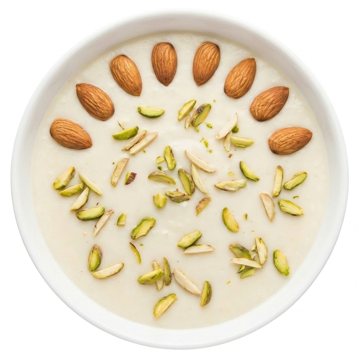
A thick, fragrant coconut and rice pudding delicately perfumed with cardamom and finished with toasted nuts and dried fruit. It offers a sweet, rich, and nutty flavour with a comforting porridge-like texture.

Finishing spice

1.4 gStirred into the pudding at the end of simmering (step 3)
01
1.4–1.8 g8–10 pods
spice
Grind the cardamom seeds to a fine powder.

Everything else

01
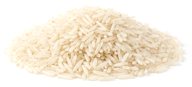
Rice · Chawalrinsed and drained
100 g
grain
02
700 g2 coconuts
fruit
04
13 g1 tablespoon
oil/fat
05
18 g2 tablespoons
nut/seed
06
15 g2 tablespoons
nut/seed
07
18 g2 tablespoons
fruit

Method

  1. Cover 100 g rice in a bowl of water, leave to soak for 1 hour, and drain thoroughly.
  2. Place the soaked rice and 700 g fresh coconut into a blender or food processor, adding just enough water to blend into a thick, uniform paste.
  3. Transfer the paste into a wide, heavy-bottomed pan over low heat and cook for 10 minutes. Pour in 250 ml water, stir in 250 g granulated sugar, and simmer gently for about 20 minutes until the kheer reaches a porridge-like consistency.
  4. Stir in the finishing spice until evenly incorporated, then spoon the mixture into a serving bowl.
  5. Warm 13.2 g ghee in a skillet over low heat. Add the nuts and fry for about 3 minutes until lightly golden, then remove with a slotted spoon. Toss the raisins into the hot ghee for 1 to 2 minutes until plump, scatter the fried nuts and raisins across the pudding, and allow to cool fully before serving chilled.

Don't have something?

Rice
  • Basmati rice

    Use the same weight; rinse and soak as needed. Fluffier and drier, so use slightly less water.

  • Long-grain rice

    Use the same weight; similar behaviour, adjust water to your usual method.

  • Short-grain rice

    Use the same weight; stickier and softer, so reduce water and avoid stirring.

Fresh coconut
  • Desiccated coconut

    Use 50% to 60% of the weight, soaked in equal parts warm water for 15 minutes before grinding. Works well for chutneys, though texture is slightly finer and sweeter.

  • Coconut milk

    Use 1.2 times the weight in curries. Adds creamy richness and authentic flavour, but makes gravies smoother and eliminates the grated, chewy mouthfeel.

Granulated sugar
  • Jaggery

    Use equal weight; grate or shave finely so it dissolves rapidly, giving a warm, caramel-like sweetness and slightly darker sauce.

Green cardamom pod
  • Green cardamom seed

    Use 35 to 40% of the total pod weight; lightly bruise the seeds before frying in oil to release their essential oils.

  • Ground green cardamom

    Use 20 to 25% of the pod weight (about 1 generous pinch per pod); stir in toward the end of cooking so the delicate floral notes do not dissipate.

  • White cardamom pod

    Use 1:1 by pod count or weight; crack gently before using, though it is slightly less intensely floral.

Ghee
  • Unsalted butter

    Use 120% of the weight; melt gently over low heat to avoid burning the milk solids, which will yield a softer, creamier richness rather than a nutty aroma.

  • Vegetable oil

    Use 85% of the weight; holds high cooking temperatures without smoking, but the final dish will lack traditional dairy depth.

  • Mustard oil

    Use equal weight; heat to smoking point and cool slightly before cooking, bearing in mind it introduces an assertive, pungent edge.

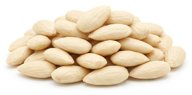
Blanched almond
  • Almond

    Use the same weight; cover with hot water for 5 minutes, then slip off the skins.

  • Blanched split almond

    Use the same weight; they are already peeled and split, so use whole or chop as needed.

  • Cashew nut

    Use the same weight; soak in warm water before grinding. They are softer and richer, so the dish will be creamier.

Unsalted pistachio nut
  • Pistachio

    Use the same weight; check for salt and adjust the recipe's salt.

  • Almond

    Use the same weight; toast lightly before chopping. It is milder but works for garnishes and pastes.

  • Cashew nut

    Use the same weight; grind with a little water for pastes. It is softer and sweeter.

Raisin
  • Dried plum

    Use equal weight, pitted and finely chopped. Lends a deeper, slightly more tart sweetness to curries and rice dishes.

  • Cashew nut

    Use equal weight. Fry lightly in ghee until golden; substitutes the burst of sweetness with a rich, buttery crunch.

  • Jaggery

    Use 30% of the weight, finely grated. Dissolve straight into the sauce to match the intended sweetness, though without the fruity chew.

Similar dishes

Yel Adai
Coconut & Rice Pancakes
Yel Adai has a deeper, molasses-like sweetness with a subtle citrus accent, whereas this dish has a lighter, more intensely fresh coconut flavor.
  • Same: Yel Adai also combines rice and fresh coconut sweetened and scented with green cardamom and ghee.
  • Different: Rather than being simmered as a pudding with granulated sugar, Yel Adai is steamed in banana leaves using jaggery, far more ghee, much less coconut, and added lime juice.
South Indian Kheer
Coconut Rice Pudding
South Indian Kheer tastes creamy and jaggery-sweet with saffron and fried-nut notes, while this dish tastes richer in fresh coconut and nutty from ghee-toasted almonds and pistachios.
  • Same: South Indian Kheer and this dish are both coconut rice puddings flavoured with green cardamom and finished with nuts and raisins.
  • Different: South Indian Kheer uses basmati rice, coconut milk, jaggery, milk, butter, cashews, pistachios, raisins and saffron, while this dish uses rice, fresh coconut, granulated sugar, ghee, almonds, pistachios and raisins and has no milk or saffron.
Payesh
Sweet Rice & Milk
Payesh is lighter and milkier in flavor, lacking the dense, nutty sweetness of the fresh coconut.
  • Same: Both are sweet puddings flavored with green cardamom pods and granulated sugar.
  • Different: Payesh uses dairy milk as its base and omits the fresh coconut and ghee cooked into this dish.
Phirni
Milk & Rice Dessert
Phirni tastes creamy and floral with a smooth custard-like texture, while this dish tastes rich, nutty, and coconut-forward with a porridge-like texture.
  • Same: Phirni shares rice, sugar, almonds, and pistachios with this dish.
  • Different: Phirni uses milk and ground rice and is flavored with kewra or rosewater, while this dish uses fresh coconut, ghee, cardamom, and raisins.