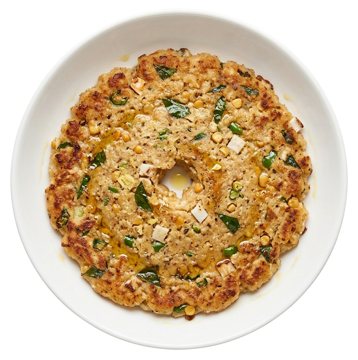
Indian cooking
Indian cooking / Dishes / Undrally
Undrally (Steamed Rice Balls)

Undrally

Steamed Rice Balls
VegetarianOrigin Tamil NaduPrep 20 minutes, plus cooling timeCook 10 minutes

These savoury South Indian steamed dumplings pair broken rice with soft chana dal for a light, textured bite. Mild and wholesome, they are traditionally served warm alongside sharp, tangy chutneys.

Ingredients

01
Rice · Chawalrinsed and dried
225 g
grain
02
Chana dalrinsed and drained
120 g
legume
03
to taste
salt

Method

  1. Pulse 225 g rice in a food processor until it breaks down into a coarse, semolina-like texture.
  2. Boil 120 g chana dal in a small saucepan of water for around 10 minutes until slightly tender, then drain and set aside to cool.
  3. Bring 475 ml water to a boil in a wide pan. Stir in salt to taste along with the ground rice, then lower the heat and stir constantly for roughly 5 minutes until the rice is cooked through. Tip out onto a wide plate.
  4. Thoroughly mix the cooled chana dal into the cooked rice.
  5. Roll the warm dough between your hands into lemon-sized balls.
  6. Arrange the balls in a steamer and cook over boiling water for 5 minutes.
  7. Serve warm with Chintapandu Thokku.

Don't have something?

Rice
  • Basmati rice

    Use the same weight; rinse and soak as needed. Fluffier and drier, so use slightly less water.

  • Long-grain rice

    Use the same weight; similar behaviour, adjust water to your usual method.

  • Short-grain rice

    Use the same weight; stickier and softer, so reduce water and avoid stirring.

Chana dal
  • Yellow split peas

    Use 100% of the weight. Soak for at least 1 hour; takes about 10 minutes longer to cook through and has a marginally earthier flavour.

  • Pigeon peas

    Use 100% of the weight. Reduces cooking time by about 10 minutes and breaks down softer, giving a smoother consistency rather than distinct grains.

  • Black gram

    For tempering or tadka only: use 70% of the weight. Browns faster in hot oil, providing a nutty, crunchy bite.

Raw tamarind chutney
  • Tamarind chutney or mint chutney

    Use the same weight; adjust sugar and salt. Mint version is less sour and more herbal.

  • Date and tamarind chutney

    Use the same weight; it is sweeter, so add lime juice or amchoor if the dish needs sharpness.

  • Tamarind paste

    Use about 70% of the weight and loosen with water; add jaggery or sugar to taste. Stronger and more concentrated.

Similar dishes

Plain Utthapam
Savoury Eggless Pancakes
Plain Utthapam has a mildly sour, fermented taste with crisp edges, whereas this dish is more neutral and relies on tart tamarind pickle for flavour.
  • Same: Both are savoury South Indian preparations based on rice and lentils served alongside chutney.
  • Different: Plain Utthapam is pan-fried in vegetable oil using fermented batter, whereas this dish is oil-free and steamed from broken rice and chana dal.
Moong Dal Khichari
Khichari with Moong Dal
Moong Dal Khichari tastes soothing and mild with ginger, aniseed, and ghee aroma, while this dish is plainer and is served with a sharp, tangy tamarind chutney.
  • Same: Moong Dal Khichari shares rice, dal, and salt with this dish, so both are simple rice-and-lentil preparations.
  • Different: Moong Dal Khichari uses moong dal instead of chana dal, adds ginger paste, aniseed paste, aniseed, bay leaf, and a ghee tempering, and is cooked as a soft porridge rather than steamed rice balls served with raw tamarind chutney.
Utthapam
Vegetable Pancakes
Utthapam is noticeably spicier and tangier from fresh chillies and yogurt, whereas this dish is mild and earthy.
  • Same: Both are savoury South Indian grain preparations seasoned simply with salt.
  • Different: Utthapam is pan-griddled in vegetable oil using a semolina and yogurt batter with green chillies, whereas this dish is made with broken rice and chana dal steamed without fat.
Malabar Adai
Rice & Lentil Pancakes from Malabar
Malabar Adai is much spicier and richer from fresh chillies, ginger, and coconut, whereas this dish is mild and paired with sour Chintapandu Thokku.
  • Same: Both dishes are built on a base of rice, chana dal, and salt.
  • Different: Malabar Adai is pan-fried in vegetable oil as a pancake rather than steamed, adding fresh coconut, ginger, green chillies, and curry leaves.