Indian cooking
Indian cooking / Dishes / Moticoor Laddu
Moticoor Laddu (Sweet Globes)

Moticoor Laddu

Sweet Globes
VegetarianOrigin Punjab/Delhi/AwadhPrep 20 minutes, plus soaking timeCook 20 minutesMakes 30–35

Moticoor laddu are gram-flour boondi sweets soaked in a saffron-cardamom syrup, then finished with melon seeds and silver leaf. They taste soft, syrupy and gently fragrant.

Saffron rosewater

0 gSteeped in rosewater (step 1)
01
to taste
spice
Leave to steep for 20 minutes.

Finishing cardamom

2 gScattered over at the end (step 11)
Keep ground; scatter at the end.

Everything else

01
15 g1 tablespoon
liquid
04
2.5 g½ teaspoon
souring agent
05
Gheefor deep-frying and greasing
to taste
oil/fat
06
10 g1 tablespoon
nut/seed
07
to taste
other

Method

  1. Steep the saffron in 14.7 g rosewater for 20 minutes.
  2. Whisk 500 g gram flour with enough water to make a smooth batter that pours evenly.
  3. Warm water in a heavy pan with 250 g granulated sugar over low heat, stirring until dissolved.
  4. Raise the heat and boil the syrup, skimming off foam with a slotted spoon, until a drop forms a single thread between finger and thumb.
  5. Stir 2.5 g lime juice and the saffron rosewater into the syrup; keep it warm over low heat.
  6. Heat enough ghee for deep-frying in a kadhai to 180°C/350°F, then lower to low-medium.
  7. Pour the batter through a steel strainer with medium holes into the hot ghee to make small drops (boondis); fry in batches for 3–4 minutes until golden.
  8. Lift the boondis out with a slotted spoon and drain off excess ghee.
  9. Rub a little ghee on your hands and roll the boondis into small balls.
  10. Put the boondis into the warm syrup, mix, take off the heat and let cool.
  11. When cool, lift the boondis from the syrup, scatter 9.9 g melon seeds and the finishing cardamom, and decorate with edible silver leaf.

Don't have something?

Saffron
  • Ground turmeric

    Use 15% of the saffron's weight. Replicates the bright yellow colour well, but lacks the floral, earthy depth; use sparingly to avoid bitterness.

  • Screwpine water or rosewater

    Use a few drops combined with a tiny pinch of ground turmeric to mimic both the regal floral aroma and the golden hue.

Rosewater
  • Screwpine water or rosewater

    If using kewra water, use 50% of the volume specified; it is intensely floral and pungent, so add drop by drop to avoid overpowering.

  • Ground green cardamom

    Use 0.5 g ground spice for every 5 ml rosewater. Adds warm, perfumed top notes, shifting the aroma from floral to sweet spice.

  • Dried rose petals

    Steep 1 g dried petals in 15 ml hot milk or water for 10 minutes, strain, and stir in for a subtle, natural floral note.

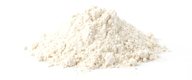
Gram flour
  • Chickpea flour

    Use the same weight. Gram flour is chickpea flour, so this is an exact swap with the same nutty flavour and binding.

  • Plain flour

    Use about 75–80% of the weight, e.g. 80 g for 100 g gram flour, and add a pinch of turmeric for colour. Less nutty and less crisp; good only for thickening or simple batters.

  • Rice flour

    Use the same weight for crispness, but it does not bind like gram flour; mix with a little plain flour if making pakora batter.

Granulated sugar
  • Jaggery

    Use equal weight; grate or shave finely so it dissolves rapidly, giving a warm, caramel-like sweetness and slightly darker sauce.

Lime juice
  • Lemon juice

    Use equal volume or weight; slightly sweeter and less pungent, but otherwise an imperceptible swap.

  • Dried mango powder

    Use 25% of the weight; imparts dry, fruity sourness, best stirred in right at the end of cooking.

  • Tamarind extract

    Use 50% of the weight; delivers pleasant fruity tang but turns pale sauces considerably darker.

Ghee
  • Unsalted butter

    Use 120% of the weight; melt gently over low heat to avoid burning the milk solids, which will yield a softer, creamier richness rather than a nutty aroma.

  • Vegetable oil

    Use 85% of the weight; holds high cooking temperatures without smoking, but the final dish will lack traditional dairy depth.

  • Mustard oil

    Use equal weight; heat to smoking point and cool slightly before cooking, bearing in mind it introduces an assertive, pungent edge.

Melon seeds
  • Cashew nut

    Use 80% of the weight, soaked in hot water 20 minutes and ground to a paste. Sweeter and richer; reduce added cream or nuts.

  • Almond

    Use the same weight, blanched and ground. Slightly more textured and nuttier; soak if making a paste.

  • Peanut

    Use the same weight, roasted and ground. Stronger flavour; use only where peanuts are welcome.

Ground green cardamom
  • Green cardamom seed

    Grind freshly extracted inner black seeds finely; use equal weight (1:1). Greatly superior aroma with potent eucalyptus and citrus notes.

  • Green cardamom pod

    Lightly crack whole pods and simmer them in the gravy; use 150% of the weight of ground cardamom. Fish out the pods before serving.

  • Ground nutmeg

    Use 50% of the weight. Delivers warm, sweet aroma, but lacks cardamom's cooling, citrusy top notes.

Edible silver leaf
  • Edible gold leaf

    Use the same amount to cover the same surface. Purely decorative; only the colour changes.

  • Silver leaf

    Use the same amount if it is food-grade. Same decorative effect.

Similar dishes

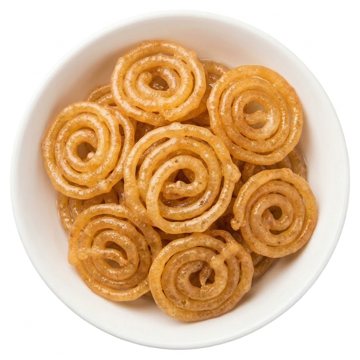
Jalebi
Sweet Pretzels
Jalebi tastes crisp and crunchy with a light lime tang, while this dish tastes soft, syrupy and fragrant with saffron and cardamom.
  • Same: Jalebi shares with this dish a fried gram-flour batter and a sugar syrup soured with lime juice.
  • Different: Jalebi uses plain flour, yogurt and vegetable oil and is piped into coils, while this dish uses ghee, saffron, rosewater, cardamom, melon seeds and silver leaf and is made from boondi.
Churma Laadoo
Fried Bread Sweets
Churma Laadoo is rich, crumbly and lightly spiced, while this dish is soft, syrupy and gently fragrant.
  • Same: Churma Laadoo and this dish are both round Indian sweets made with ghee, sugar and ground green cardamom.
  • Different: Churma Laadoo is made from fried wholemeal flour crumbs with baking powder, almonds, coconut, candied sugar and salt, while this dish is gram-flour boondi soaked in saffron-cardamom syrup with rosewater, lime juice, melon seeds and silver leaf.
Patisapta
Sweet Pancakes Filled with Dried Fruit
Patisapta tastes gently sweet and tender with dried-fruit and chhena filling, whereas this dish tastes soft, syrupy and more heavily soaked in saffron-cardamom syrup.
  • Same: Patisapta shares saffron and green cardamom with this dish, and both are sweet desserts scented with those spices.
  • Different: Patisapta is a rice-flour pancake filled with chhena or hung yoghurt, dried fig, raisin and date, while this dish is fried gram-flour boondi soaked in sugar syrup with lime juice, ghee, melon seeds and silver leaf.
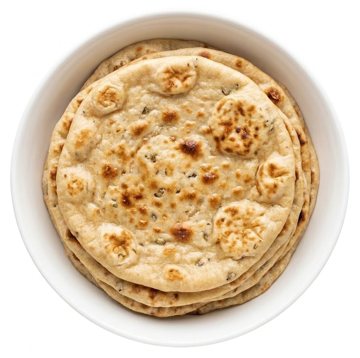
Sheermal
Mildly Sweet Milk Bread
Sheermal tastes mildly sweet, tender and milky-fragrant, whereas this dish tastes soft, syrupy and strongly saffron-cardamom scented.
  • Same: Both are sweet, cardamom-scented Indian foods made with sugar and ghee.
  • Different: Sheermal is a yeast-leavened whole-wheat milk bread with kewra and salt, while this dish is fried gram-flour boondi soaked in saffron-rosewater sugar syrup and finished with melon seeds and silver leaf.