
Jalebi
Jalebi are crisp, coiled fried batter sweets soaked in sugar syrup. They taste sweet and syrupy, with a light tang from lime and a crunchy edge.
Ingredients
Method
- Mix 46.8 g plain flour, 12 g gram flour, 30.6 g yogurt, 13.5 g vegetable oil and enough water to form a thick batter. Cover and leave overnight to ferment.
- Put 200 g granulated sugar and water in a heavy pan. Warm gently, stirring, until the sugar dissolves.
- Raise the heat and boil, skimming off the foam, until a drop of syrup stretches into a single thread.
- Stir 2.5 g lime juice into the syrup. Keep it warm over a low heat while frying.
- Beat the fermented batter, then put it into a piping bag or a plastic bag with a small hole cut in one corner.
- Heat extra vegetable oil for deep-frying to 180°C/350°F.
- Pipe small linked coils about 8 cm/3 inches across into the hot oil, working in batches if needed.
- Fry for 2–3 minutes, turning with a metal skewer, until both sides are golden and crisp.
- Lift out the jalebi with tongs and drain on kitchen paper.
- Put the jalebi into the warm syrup and soak for about 5 minutes. Remove and serve hot, separated into individual coils.
Don't have something?

 Whole wheat flour
Use the same weight, add 10–15% more water and rest the dough for 20 minutes; the result is heavier and nuttier.
 Rice flour
Use the same weight for crisp coatings; for doughs use no more than half rice flour with wheat flour, or it will be crumbly.
 Cornflour
For thickening use half the weight, mixed with cold water; it is not suitable for bread or chapati dough.


 Chickpea flour
Use the same weight. Gram flour is chickpea flour, so this is an exact swap with the same nutty flavour and binding.
- Plain flour
Use about 75–80% of the weight, e.g. 80 g for 100 g gram flour, and add a pinch of turmeric for colour. Less nutty and less crisp; good only for thickening or simple batters.
- Rice flour
Use the same weight for crispness, but it does not bind like gram flour; mix with a little plain flour if making pakora batter.


 Plain yogurt
Use 100% of the weight. Whisk thoroughly until smooth before stirring into warm gravies to prevent curdling.
 Single cream
Use 90% of the weight combined with 10% lemon juice to replicate the lactic tang and rich body in marinades and curries.


 Peanut oil
Use 1:1 by weight. Handles high-heat frying identically and introduces a very subtle, pleasant nuttiness.
 Ghee
Use 1:1 by weight. Yields a much richer, authentic aroma and a glossy, heavier mouthfeel.
 Mustard oil
Use 1:1 by weight. Heat until smoking, then cool slightly before cooking to temper its intensely pungent, sharp mustard kick.


 Jaggery
Use equal weight; grate or shave finely so it dissolves rapidly, giving a warm, caramel-like sweetness and slightly darker sauce.


 Lemon juice
Use equal volume or weight; slightly sweeter and less pungent, but otherwise an imperceptible swap.
 Dried mango powder
Use 25% of the weight; imparts dry, fruity sourness, best stirred in right at the end of cooking.
 Tamarind extract
Use 50% of the weight; delivers pleasant fruity tang but turns pale sauces considerably darker.


Similar dishes
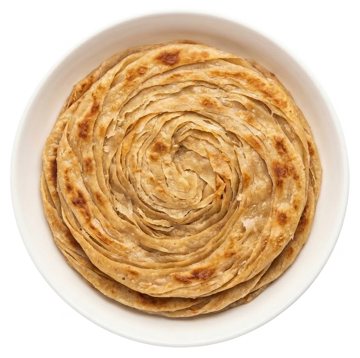
- Same: Warqi Paratha and this dish both use plain flour as the main base and fat to shape their texture.
- Different: Warqi Paratha has salt and ghee with extra plain flour for spiral layering, while this dish has gram flour, yogurt, vegetable oil, sugar, and lime juice and is fried then soaked in syrup.

- Same: Ulte Tawe ka Paratha shares plain flour and granulated sugar with this dish, and both are sweet fried wheat-based items cooked with fat.
- Different: Ulte Tawe ka Paratha adds cashew paste, milk, khus essence, baking powder, salt, and ghee, while it lacks this dish's gram flour, yogurt, lime juice, vegetable oil, and sugar-syrup soak; it is a layered flatbread cooked on an inverted griddle rather than a coiled batter fried and soaked.
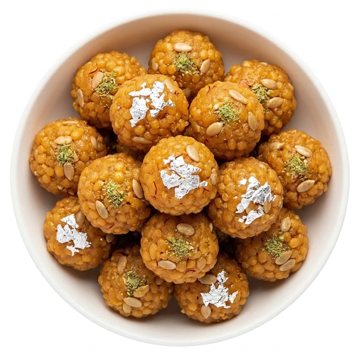
- Same: Moticoor Laddu shares gram flour, granulated sugar, lime juice and a sugar-syrup finish with this dish.
- Different: It uses saffron, rosewater, ground green cardamom, ghee, melon seeds and edible silver leaf, and is made as gram-flour boondi soaked in syrup rather than a coiled plain-flour-and-yogurt batter fried in vegetable oil.

- Same: Bhatura shares with this dish a deep-fried cooking style and a dough or batter using plain flour, yogurt, sugar, and vegetable oil.
- Different: Bhatura adds semolina, baking powder, baking soda, and salt and is a leavened bread, while this dish uses gram flour and lime juice and is a batter coil soaked in sugar syrup.