
Kararee Bhindi
A vibrant, textured warm salad combining deeply crisped okra with juicy tomatoes, sharp onion, and tangy chaat spices.
Ingredients

Method
- Fill a wide, heavy-bottomed pan with approximately 5 cm (2 inches) of oil and warm it to 180°C (350°F), or until a small cube of bread dropped in sizzles and turns golden in 30 seconds.
- Working in three equal batches, lower the 700 g okra into the hot oil and fry for 5 to 7 minutes per batch until deeply browned and thoroughly crisp. Lift out using a slotted spoon and leave to drain on paper towels, allowing the oil to return to 180°C (350°F) between batches.
- Place the hot, crisp okra into a large mixing bowl alongside the 0.5 sliced onion, 360 g tomato, 5 g coriander, the juice of 0.5 lemon, 1.5 tsp chaat masala, and 5.8 g salt. Toss gently to coat evenly, adjust seasoning if desired, and serve immediately.
Don't have something?


 Vegetable oil
Use the same weight. It is neutral and works for frying and tempering; the dish will lack corn oil's slight sweetness but otherwise be unchanged.
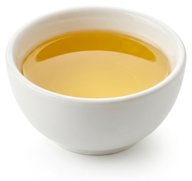 Vegetable or corn oil
Use the same weight. This is the closest all-purpose match and behaves the same in curries and frying.
 Groundnut oil
Use the same weight. It has a stronger nutty flavour and is good for Indian cooking, but it will slightly change the aroma.


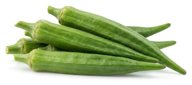
 Cluster bean
Use the same weight, topped, tailed and cut into similar pieces. It is firmer and less mucilaginous; cook a few minutes longer until tender.
 Green bean
Use the same weight, trimmed and cut into short lengths. It cooks faster and stays crisp; add towards the end and expect no okra stickiness.
 Aubergine
Use the same weight, cut into small pieces and cook until soft. It gives a soft, seedy texture but no okra mucilage and absorbs more oil.


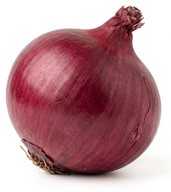
 Onion
Use the same weight; cook a little longer. Milder and less sweet when raw.
 Shallot
Use the same weight; sweeter and softer, so reduce cooking time slightly.
 Spring onion
Use only the white parts, weight for weight, for raw or quick-cooked dishes; green parts are too grassy for long cooking.


 Tomato purée
Use 40% to 50% of the fresh tomato weight mixed with a splash of water. Imparts a deeper red colour, thicker sauce, and slightly sweeter cooked flavour.
 Plain yogurt
Use 60% of the weight, whisked smooth and added on low heat. Provides rich body and sourness, though the gravy becomes paler and creamier.


 Coriander leaf
Use equal weight, chopped fresh and stirred in off the heat or used as garnish. Matches the citrus-herbal profile identically.
 Mint
Use 40% to 50% of the weight; chop finely and add at the very end. Adds fresh herbal brightness, but shifts the aroma toward cool menthol.


 Lime
Use the same weight or juice amount; sharper, so taste before adding all the juice.
 Lemon juice
Use about 45–50 ml for 1 lemon; add off the heat to keep the freshness.
 Dried mango powder
Use 1 tsp for the juice of 1 lemon; add early. Sourness is flatter and less fresh.


 Tandoori snack spice mix
Use the same weight; taste first as it can be smokier and saltier. Add lime or amchoor if the dish needs more tang.
- Dried mango powder
Use about half the weight, mixed with black salt and a pinch of ground cumin. It gives tang and saltiness but lacks the minty, asafoetida notes.
 Black salt
Use about half the weight and add lime juice to taste. It gives the salty, sulphurous edge but not the full tangy blend.


Similar dishes

- Same: Khara Bheeda also pairs okra with tomatoes and onions.
- Different: Khara Bheeda is dry-fried in vegetable oil until tender with turmeric and green chillies rather than deeply crisped with chaat masala.

- Same: Both dishes use okra as the primary vegetable paired with a souring element.
- Different: Dahi ma Bheeda simmers lightly fried okra in a yogurt gravy seasoned with ginger, garlic, cumin, turmeric, and chilli powder, rather than serving it deeply crisped and tossed with fresh tomatoes, onions, and chaat masala.
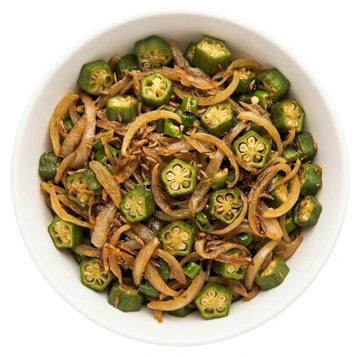
- Same: Bhindi Pyaz also features okra paired with onions.
- Different: Bhindi Pyaz is a dry curry sautéed in vegetable oil with cumin seeds, green chillies, and a large amount of browned onions, omitting the tomatoes and chaat masala used here.

- Same: Both dishes feature okra as their primary vegetable.
- Different: Dum ki Bhindi slow-cooks tender okra in a sauce of yogurt, ghee, oil, ginger-garlic paste, turmeric, and garam masala, rather than tossing crisped okra dry with fresh tomatoes and chaat masala.