
Kali Daal
A deeply comforting North Indian stew made with whole black lentils, slow-cooked until tender in a buttery, spiced tomato gravy. Rich and velvety, it has a gentle warmth balanced by the richness of butter and cream.
Simmering aromatics
13 gStirred into the cooked lentils along with salt (step 2)Finishing spice
2.6 gAdded towards the end with fenugreek and sugar (step 4)Everything else

Method
- Cover 250 g black lentils in plenty of cold water and leave to soak overnight.
- Drain the soaked lentils and transfer them to a cooking pot with 1 litre of water. Bring to a simmer and cook for roughly 1 hour, until the lentils are completely soft but have not broken down entirely.
- Tip in the simmering aromatics along with 5.8 g salt. Boil steadily for 10 minutes.
- Add 2 tablespoons tomato purée and 150 g butter. Continue cooking for another 15 minutes, stirring frequently so the lentils thicken into a cohesive gravy and the melted butter emulsifies rather than separating on the surface.
- Stir in the finishing spice, 0.5 teaspoon dried fenugreek leaves, and 2.1 g granulated sugar. Taste and adjust the salt if necessary, then pour in 30 g single cream and remove from the heat.
Don't have something?


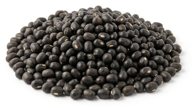 Whole black gram
Use the same weight; it is the same bean. Soak as directed and cook until creamy.
 Whole black gram
Use the same weight; it is close but may lack the black skin, so the colour and earthy taste will be lighter.
 Split skinned black gram
Use the same weight; it cooks faster and gives a less earthy, paler dal, so reduce cooking time and check often.


 Fresh ginger
Use equal weight; peel and grate very finely on a microplane or pound to a fine paste in a mortar.
 Ginger
Use equal weight; mince finely and crush with the flat of a knife before frying.
 Ground ginger
Use 20% of the weight; add directly with the dry spice powders, though it yields an earthier, less pungent profile.


 Garlic
Use equal weight; crush or finely grate to a smooth pulp to replicate the same fresh, pungent moisture in your base gravy.
 Garlic powder
Use 20 to 25% of the weight; mix with a teaspoon of water before adding to oil so it does not burn, noting it lacks the fresh bite.


 Red chilli powder
Use 100% of the weight. Provides direct, sharp heat and red colour in equal measure.
 Kashmiri chilli powder
Use 150% to 200% of the weight if matching colour, but add a pinch of black pepper or hot chilli if you need equivalent fiery heat.
 Cayenne pepper
Use 75% to 100% of the weight. Offers a sharp, clean heat with slightly less earthy depth and less crimson colour.


 Tomato purée
Use 2.5–3 times the weight and simmer until thick and darkened; it is much thinner and less intense, so the dish will need longer reduction and a little more salt or sugar.
 Canned chopped tomatoes
Use 3–4 times the weight, blend if smoothness is needed, then simmer down by half or more; the result is more watery and fresher-tasting.
 Tomato
Use 4–5 times the weight, chop and cook down until thick; expect more liquid, longer cooking and a less concentrated sweetness.


 Unsalted butter
Use the same weight and add a pinch of salt per 100 g; taste before adding more salt to the dish.
 Butter
Use the same weight; taste and reduce any added salt, as ordinary butter may be salted.
 Ghee
Use about 85% of the weight; it has no water or milk solids, so it is richer. Add a pinch of salt and reduce other fat slightly.


 Ground cumin
Use 50% of the weight mixed with equal parts ground coriander and a pinch of ground cinnamon, ground cloves, and ground green cardamom. Sprinkle near the end for a warming finish.
 Lentil stew spice mix
Use 75% of the weight. Simmer briefly in the gravy; imparts roasted warmth and complexity, though it adds a slight tang and earthy lentil undertone.


 Dried fenugreek leaf
Use the same weight and crush finely; it is virtually the same.
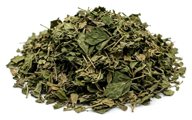 Dried fenugreek leaves
Use the same weight and crush finely; it is slightly stronger in aroma.
 Ground dried fenugreek leaf
Use the same weight; this is the same herb.


 Jaggery
Use equal weight; grate or shave finely so it dissolves rapidly, giving a warm, caramel-like sweetness and slightly darker sauce.


 Whole milk
Use equal weight, whisked with a small knob of unsalted butter. Simmer gently over low heat to reduce curdling; sauce will be slightly lighter.
 Clotted cream
Use 50% weight combined with 50% whole milk, whisked until smooth. Adds intense richness, so stir in at the very end off the heat.
 Cashew paste
Use 60% cashew paste mixed with 40% warm water. Creates a silky, luxurious thickening that won't split even under high heat.


Similar dishes
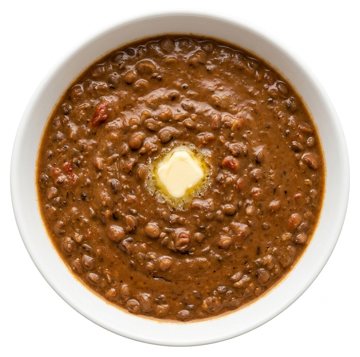
- Same: Both are slow-cooked whole black lentil stews made with ginger, garlic, chilli powder, tomatoes, and cream.
- Different: Dal Makhani uses a large amount of butter and vegetable oil, but omits the garam masala and sugar found in this dish.

- Same: Murg Dalcha Kebab shares ginger paste, garlic paste, garam masala, single cream, and a lentil component with this dish.
- Different: Instead of a slow-cooked black lentil stew made with butter and tomatoes, Murg Dalcha Kebab is char-grilled chicken coated in pureed chana dal, yoghurt, vegetable oil, nutmeg, and lemon juice.
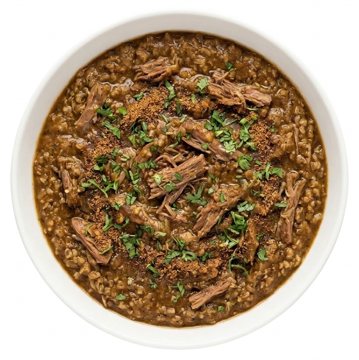
- Same: Halim shares a slow-cooked, thick texture and uses the same core seasonings of ginger, garlic, chilli powder, and garam masala.
- Different: Halim is made with shredded meat and cracked wheat cooked in ghee or vegetable oil, lacking the black lentils, tomato gravy, cream, and sugar used in this dish.

- Same: Both recipes use dairy alongside a legume base seasoned with chilli powder, salt, and a touch of sugar.
- Different: Ankur ka Raita is a cold, uncooked side dish made with yogurt, raw sprouted mung beans, onions, and cumin seeds, whereas this dish is a hot, slow-cooked lentil stew made with cream, ginger, garlic, and garam masala.