
Bervin Poori
Crisp, puffed Indian breads stuffed with a savoury, spiced lentil mixture. They have a golden, flaky exterior and a hearty, fragrant filling.
Filling spices
6 gMixed into the lentil paste (step 2)Everything else
Method
- Submerge 125 g urad dal in cold water and leave to soak overnight.
- Drain the soaked dal thoroughly, then transfer to a food processor and blend into a dense, smooth paste. Mix in the filling spices, 5 g ginger, 2 tsp finely chopped coriander, and 1.5 tsp salt until evenly combined.
- Divide the poori dough into 10 uniform portions and roll them into balls. Press each ball slightly flat, spoon 1 level teaspoon of the spiced lentil filling into the middle, and pinch the dough closed around it to seal completely.
- Scatter a little flour for dusting over your work surface and roll each filled ball gently into an even disc.
- Fill a deep pan or kadhai with vegetable oil for deep-frying and bring the temperature to 180°C (350°F).
- Fry the pooris in small batches for 1 to 2 minutes, until thoroughly puffed and golden brown on both sides. Remove using a slotted spoon and drain on paper towels.
Don't have something?


 Whole black gram
Use equal weight. Needs longer soaking and cooking; the dark skins impart an earthy flavour and greyish-black hue unless thoroughly rubbed off.
 Chana dal
Use equal weight when tempering (tadka). Provides a comparable nutty, crunchy texture in hot oil, though grains are slightly larger.
 Split mung beans
Use equal weight for batters or dals. Ferments and cooks faster, producing a lighter, less sticky, and less viscous consistency.


 Fennel seed
Use equal weight. Fry or grind as directed; slightly greener and less intensely sweet, but the closest liquorice-adjacent match.
 Star anise
Use 50% of the weight. Grind finely or infuse whole in simmering liquid and discard before serving; delivers a stronger, woodier liquorice profile.


 Red chilli powder
Use 100% of the weight. Provides direct, sharp heat and red colour in equal measure.
 Kashmiri chilli powder
Use 150% to 200% of the weight if matching colour, but add a pinch of black pepper or hot chilli if you need equivalent fiery heat.
 Cayenne pepper
Use 75% to 100% of the weight. Offers a sharp, clean heat with slightly less earthy depth and less crimson colour.


 Ground coriander
Use 75% of the weight; stir in along with wet masala or tomato purée rather than frying in hot oil, as the fine powder burns instantly.
 Cumin seed
Use 50% of the weight for tempering in hot oil. Lacks the floral, sweet citrus flavour of coriander, introducing warm, pungent earthiness instead.
- Fennel seed
Use 50% of the weight in tempering; provides pleasant aromatic sweetness, though noticeably aniseedy rather than citrusy.


 Fresh ginger
Use equal weight; scrape off the skin and grate or finely julienne according to the recipe.
 Ginger paste
Use equal weight; stir straight into the sizzling aromatics, taking care as the extra moisture may spit.
 Ground ginger
Use 15 to 20% of the weight; add alongside ground spices, noting it imparts warm, dry heat rather than zesty freshness.


 Coriander leaf
Use equal weight, chopped fresh and stirred in off the heat or used as garnish. Matches the citrus-herbal profile identically.
 Mint
Use 40% to 50% of the weight; chop finely and add at the very end. Adds fresh herbal brightness, but shifts the aroma toward cool menthol.


 Whole wheat flour
Make fresh dough with the same weight of flour, about 40% water, a pinch of salt and 1 tbsp oil per 250 g; rest 20 minutes.
 Chapati
Use cooked chapati as a flatbread instead of frying poori; it will not puff but suits the same meal.
 Layered flatbread
Use paratha as a richer flatbread; it is layered and softer, so reduce any extra ghee.


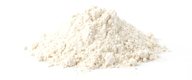
- Whole wheat flour
Use the same weight, add 10–15% more water and rest the dough for 20 minutes; the result is heavier and nuttier.
 Rice flour
Use the same weight for crisp coatings; for doughs use no more than half rice flour with wheat flour, or it will be crumbly.
 Cornflour
For thickening use half the weight, mixed with cold water; it is not suitable for bread or chapati dough.


 Peanut oil
Use 1:1 by weight. Handles high-heat frying identically and introduces a very subtle, pleasant nuttiness.
 Ghee
Use 1:1 by weight. Yields a much richer, authentic aroma and a glossy, heavier mouthfeel.
 Mustard oil
Use 1:1 by weight. Heat until smoking, then cool slightly before cooking to temper its intensely pungent, sharp mustard kick.


Similar dishes
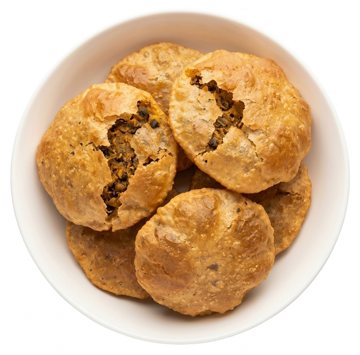
- Same: Both are deep-fried puffed breads filled with a spiced urad dal mixture seasoned with ginger, coriander seeds, and chilli powder.
- Different: Bervin Poori is deep-fried in and mixed with ghee rather than vegetable oil, incorporates aniseed and fresh coriander, and leaves out Valsadi Masala.

- Same: Dal ki Kachori is also a deep-fried, puffed bread filled with a spiced urad dal mixture seasoned with chilli powder and coriander seeds.
- Different: Dal ki Kachori omits the fresh ginger and Valsadi masala found in this dish, using salt and a higher proportion of red chilli powder instead.

- Same: Missi Roti shares a lentil base and spices such as chilli powder and ginger with this dish.
- Different: Missi Roti mixes boiled chana dal and moong dal with wholemeal and plain flour, onion, green chilli, ginger, coriander leaf, turmeric, chilli powder and salt, uses ghee or butter, and has no listed souring agent, unlike this dish’s urad dal filling with aniseed, coriander seeds, chilli powder, ginger and coriander in deep-fried poori dough.

- Same: Puran Poli and this dish are both stuffed Indian breads with a lentil-based filling, and both use plain flour and vegetable oil.
- Different: Puran Poli uses chana dal, icing sugar, cardamom, nutmeg, whole wheat flour and ghee and is shallow-fried, while this dish uses urad dal, aniseed, chilli powder, coriander seeds, ginger and coriander and is deep-fried in vegetable oil.