
Beguni
A crisp Bengali snack featuring aubergine slices enveloped in a lightly spiced chickpea batter and deep-fried until crunchy and golden.
Batter spices
5 gStirred into the chickpea flour batter in step 1Everything else

Method
- Whisk 300 g chickpea flour in a bowl with enough water to form a dense coating batter. Thoroughly mix in the batter spices, 0.3 g bicarbonate of soda, and salt to taste.
- Pour vegetable oil for deep-frying into a kadhai or heavy, deep pan and heat to 180°C (350°F), testing with a small bread cube which should take 30 seconds to brown.
- Dredge the 2 thinly sliced aubergines through the batter until coated on both sides, then carefully transfer them into the hot oil. Fry for approximately 2 minutes until crisp and golden brown.
- Fish out the fried aubergine slices using a slotted spoon and let them drain on kitchen paper. Serve warm accompanied by 80 g puffed rice and 175 g fresh coconut.
Don't have something?


 Yellow split pea flour
Use 100% of the weight. Many commercial gram flours are milled from split peas; performs identically in pakora batters and kadhi.
 Cornstarch
For crisping batters or binding cutlets: use 50% to 60% of the weight. Produces a very crisp shell but lacks the earthy, roasted nutty flavour of besan.


 Red chilli powder
Use 100% of the weight. Provides direct, sharp heat and red colour in equal measure.
 Kashmiri chilli powder
Use 150% to 200% of the weight if matching colour, but add a pinch of black pepper or hot chilli if you need equivalent fiery heat.
 Cayenne pepper
Use 75% to 100% of the weight. Offers a sharp, clean heat with slightly less earthy depth and less crimson colour.


 Cumin seed
Dry-roast briefly and grind finely; use equal weight (1:1). Imparts an even punchier, nuttier, toasty aroma than pre-ground cumin.
 Ground coriander
Use equal weight (1:1). Adds mild, lemony sweetness rather than cumin's smoky, earthy bite; curries will taste lighter and less savoury.
 Black cumin seeds
Grind finely; use 60% to 75% of the weight. Produces a darker, more complex, smoky-herbal flavour suited to rich gravies.



 Baking powder
Use 4 times the weight (1 g soda ≈ 4 g baking powder). It already contains acid, so reduce or omit added lemon or yogurt.
 Self-raising flour
For baking, swap plain flour plus soda for self-raising flour; omit the soda and adjust salt. Not suitable for recipes where soda is used for colour or texture.


 Peanut oil
Use 1:1 by weight. Handles high-heat frying identically and introduces a very subtle, pleasant nuttiness.
 Ghee
Use 1:1 by weight. Yields a much richer, authentic aroma and a glossy, heavier mouthfeel.
 Mustard oil
Use 1:1 by weight. Heat until smoking, then cool slightly before cooking to temper its intensely pungent, sharp mustard kick.


 Baby aubergine
Use the same weight; halve or quarter and cook 2–3 minutes longer. They hold their shape better in the sauce.
 Small aubergine
Use the same weight; slice or cube to the recipe's size. Similar flesh, slightly firmer.
 Round aubergine
Use the same weight; cube and salt for 10 minutes if the recipe does. It absorbs oil a little more.


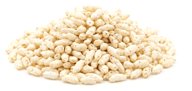
 Puffed lotus seed
Use the same weight; crush lightly and toast first. It is harder and holds crunch longer; not for soaking.
 Pressed rice
Use the same weight; dry-roast until crisp before using. It is flatter and denser, so not a direct snack swap.
 Crisp chickpea-flour noodles
Use the same weight for a crunchy topping; much thinner and oilier, so add only at the end.



 Desiccated coconut
Use 50% to 60% of the weight, soaked in equal parts warm water for 15 minutes before grinding. Works well for chutneys, though texture is slightly finer and sweeter.
 Coconut milk
Use 1.2 times the weight in curries. Adds creamy richness and authentic flavour, but makes gravies smoother and eliminates the grated, chewy mouthfeel.


Similar dishes
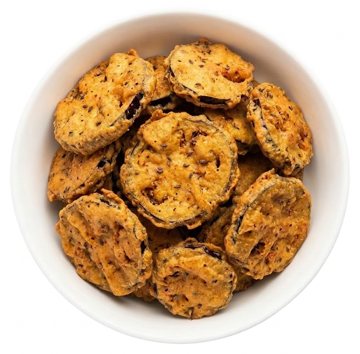
- Same: Both dishes are aubergine slices coated in a seasoned chickpea flour batter and deep-fried in vegetable oil.
- Different: Kathirakkai uses ajwain seeds and asafoetida and is served with chutney, omitting the fresh coconut, ground cumin, and chilli powder found in this dish.

- Same: Papri is also a deep-fried snack made from chickpea flour seasoned with chilli powder and salt.
- Different: Papri is rolled and fried as a plain cracker in mustard oil with asafoetida, rather than coating aubergine and coconut in a cumin batter fried in vegetable oil.

- Same: Dahi ke Baigan shares aubergine, ground cumin, chilli powder, vegetable oil, and salt with this dish.
- Different: Dahi ke Baigan pan-fries aubergine and cooks it in a yogurt sauce with ginger paste, garlic paste, green chilli, turmeric, asafoetida, mustard seed, dried red chilli, and curry leaf, while this dish deep-fries chickpea-flour-battered aubergine with baking soda and no yogurt.

- Same: Both are crisp snacks made by deep-frying a chickpea flour batter seasoned with chilli powder and salt in vegetable oil.
- Different: Vengayya Pakora features onions and fresh coriander leaf instead of aubergine, and it omits the ground cumin and fresh coconut found in this dish.