Indian cooking
Papri (Gram (Chickpea) Flour Biscuits (Crackers))

Papri

Gram (Chickpea) Flour Biscuits (Crackers)
Vegetarian●●●Origin DelhiPrep 20 minutesCook 10 minutesMakes 20–25

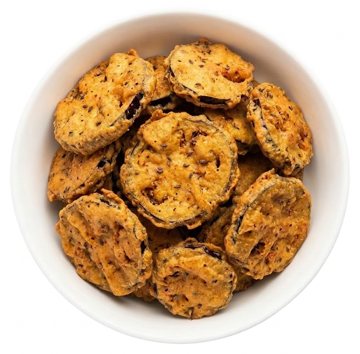
These crisp, savoury chickpea flour crackers are subtly spiced with chilli and asafoetida. Fried in mustard oil, they have a delicate crunch and a sharp, distinctive aroma.

Dough spices

1.6 gStirred into the dry flour mixture in step 1
01
1.3 g½ teaspoon
spice
02
~0.3 gpinch
spice
Stir together to combine evenly.

Everything else

01
Chickpea flour · Besanplus extra for dusting
250 g
flour
02
~0.3 gpinch
other
03
600 g6 bunches
herb
04
Mustard oil · Sarson Ka Telplus extra for oiling
27 g2 tablespoons
oil/fat
05
456 g500 ml
oil/fat
06
to taste
salt

Method

  1. In a wide mixing bowl, combine 250 g chickpea flour, 0.3 g cream of tartar, 6 g finely chopped fenugreek, salt to taste, and the dough spices.
  2. Gradually pour in just enough water to bring the mixture together into a very firm, stiff dough.
  3. Add 27 g mustard oil a splash at a time, kneading well between additions until fully absorbed into the dough.
  4. Lightly grease your hands with extra mustard oil, then roll the dough into a rope about 2.5 cm (1 inch) thick. Cut into 2.5 cm (1 inch) segments and press each piece flat into a small disc.
  5. Dust the work surface with extra chickpea flour and roll each disc out as thinly as possible into a circle roughly 15 cm (6 inches) wide.
  6. Pour 456 g mustard oil into a deep, heavy-based pan or kadhai and set over high heat. Lower the heat slightly, then fry the discs in batches for 1 to 2 minutes, until cooked through and pale golden without letting them darken.
  7. Lift out with a slotted spoon and drain on paper towels. Let cool completely before serving or packing into an airtight container.

Don't have something?

Chickpea flour
  • Yellow split pea flour

    Use 100% of the weight. Many commercial gram flours are milled from split peas; performs identically in pakora batters and kadhi.

  • Cornstarch

    For crisping batters or binding cutlets: use 50% to 60% of the weight. Produces a very crisp shell but lacks the earthy, roasted nutty flavour of besan.


Cream of tartar
  • Lemon juice

    Use double the weight. Good for stabilising egg whites or as the acid in baking.

  • White vinegar

    Use double the weight. Neutral acid; works for egg whites and bicarbonate mixes.

  • Baking powder

    If the recipe also uses bicarbonate of soda, replace both with baking powder at 1.5 times their combined weight.

Chilli powder
  • Red chilli powder

    Use 100% of the weight. Provides direct, sharp heat and red colour in equal measure.

  • Kashmiri chilli powder

    Use 150% to 200% of the weight if matching colour, but add a pinch of black pepper or hot chilli if you need equivalent fiery heat.

  • Cayenne pepper

    Use 75% to 100% of the weight. Offers a sharp, clean heat with slightly less earthy depth and less crimson colour.

Asafoetida
  • Garlic powder

    Use double the weight. Stir into hot oil just before adding wet ingredients; mimics the allium savoury background without the sulphurous edge.

  • Garlic paste

    Use 2 g for every 0.5 g of asafoetida. Sauté in oil until the raw smell clears; adds moisture and sweet allium depth.

Fenugreek leaves
  • Dried fenugreek leaf

    Use 10% of the fresh weight, rub between the palms or soak in warm water for 5 minutes. More hay-like and less fresh-bitter; add near the end.

  • Spinach

    Use the same weight, chop and wilt. Gives leafy body but none of methi's bitter aroma; adjust salt and add a pinch of sugar.

  • Fenugreek shoots

    Use the same weight, chop finely and discard any tough stems. Milder and more tender; cook 2–3 minutes less.

Mustard oil
  • Peanut oil

    Use equal weight. It handles high-heat cooking well, but lacks the signature pungent, nasal heat of mustard oil.

  • Vegetable oil

    Use equal weight. Neutral in flavour, so your curry will lack the characteristic Bengali or North Indian pungent punch.

Similar dishes

Besani Poori
Deep-fried Gram (Chickpea) Flour Bread
Besani Poori has a richer, buttery flavor with bitter-herb fenugreek notes, lacking the sharp, pungent mustard oil bite of this dish.
  • Same: Besani Poori shares chickpea flour as a base, deep-frying as the cooking technique, and a seasoning of chilli powder and asafoetida.
  • Different: Besani Poori incorporates wheat flour and fenugreek and is deep-fried in ghee into a puffed flatbread, whereas this dish is rolled into flat crackers and fried in mustard oil.
Rajasthani Karhi
Gram (Chickpea) Flour & Yoghurt Curry
Rajasthani Karhi is tangy, saucy, and earthy with cumin and garlic, whereas this dish is crisp, dry, and pungent from mustard oil.
  • Same: Rajasthani Karhi also uses chickpea flour seasoned with chilli powder and asafoetida.
  • Different: Instead of being deep-fried in mustard oil like this dish, Rajasthani Karhi is a simmered curry containing yogurt, garlic, turmeric, cumin seeds, and green chillies cooked in peanut oil and ghee.
Kathirakkai
Aubergine (Eggplant) Fritters
Kathirakkai is tender inside a crisp spiced batter with ajwain aroma and tamarind coriander chutney, while this dish is a hard crisp cracker with a sharp mustard-oil aroma.
  • Same: Kathirakkai shares chickpea flour, asafoetida, chilli powder and deep-frying with this dish.
  • Different: Kathirakkai is built on aubergine and uses rice flour, ajwain seeds and vegetable oil, while this dish uses fenugreek leaves and mustard oil and has no chutney.
Vaarzhaikkai
Banana Fritters
Vaarzhaikkai is savoury with ajwain pungency and a tender banana interior, while this dish is crisp and crunchy with a sharp mustard-oil aroma.
  • Same: Vaarzhaikkai shares chickpea flour, asafoetida, chilli powder, salt, and a fried crisp finish with this dish.
  • Different: Vaarzhaikkai uses raw banana, rice flour, ajwain, curry leaf, vegetable oil, and tamarind-coriander chutney, while this dish uses fenugreek leaves and mustard oil and lacks banana, rice flour, ajwain, and chutney.