Indian cooking
Indian cooking / Dishes / Ale Bele
Ale Bele (Coconut-filled Pancakes)

Ale Bele

Coconut-filled Pancakes
Non-vegetarianOrigin CoastalPrep 15–20 minutes, plus standing timeCook 15–30 minutes

Ale bele are delicate Goan crêpes wrapped around a sweet, aromatic filling of fresh grated coconut and cardamom. They are tender on the outside with a moist, richly fragrant center.

cardamom for the filling

0.2 gStirred into the coconut filling (step 4)
01
0.2 g3 pods
spice
Ground to a fine powder.

Everything else

01
186 g180 ml
dairy
03
~0.3 gpinch
salt
04
50 g1 egg
egg
05
4.5 g1 teaspoon
oil/fat
06
28 g2 tablespoons
dairy
07
25 g2 tablespoons
sweetener
08
15 g1 tablespoon
liquid
09
500 g1 coconut
fruit

Method

  1. Stir 186 g milk together with 5 tablespoons of water in a small bowl.
  2. Sift 125 g flour and 0.3 g salt into a large mixing bowl, then whisk in 1 beaten egg, 4.5 g vegetable oil, and the diluted milk mixture until completely smooth. Cover the batter and set it aside to rest for about 2 hours.
  3. Just before cooking, thin the batter by stirring in 2 to 3 tablespoons of water.
  4. To prepare the filling, place 25.2 g granulated sugar and 1 tablespoon coconut water in a heavy-based saucepan. Warm over low heat, stirring until the sugar crystals dissolve, then bring to the boil and simmer until the syrup turns thick. Stir in 1 grated coconut, chopped nuts to taste, and the cardamom for the filling, then remove from the heat.
  5. Melt a small portion of the 28.2 g butter in a wide frying pan over very low heat. Pour in a ladleful of batter, tilting the pan immediately to coat the surface evenly. Fry for 1 to 2 minutes until set, flip with a spatula, and cook the reverse side for another 1 to 2 minutes. Transfer to a plate to keep warm, then repeat with the remaining butter and batter.
  6. Spread a line of the coconut filling down one edge of each warm pancake and roll tightly into a cylinder.

Don't have something?

Milk
  • Whole milk

    Use equal weight; provides the standard rich dairy fat and body expected in creamy Indian bases.

  • Single cream

    Dilute 3 parts cream with 1 part water to match the weight; yields a richer, glossier gravy that resists curdling.

  • Plain yogurt

    Whisk thoroughly and use equal weight; adds extra body and a mild pleasant acidity, best added off the heat.

Plain flour
  • Whole wheat flour

    Use the same weight, add 10–15% more water and rest the dough for 20 minutes; the result is heavier and nuttier.

  • Rice flour

    Use the same weight for crisp coatings; for doughs use no more than half rice flour with wheat flour, or it will be crumbly.

  • Cornflour

    For thickening use half the weight, mixed with cold water; it is not suitable for bread or chapati dough.

Egg
  • Chickpea flour

    For binding, use about 10 g chickpea flour mixed with 20 ml water per egg and rest for 10 minutes. Denser and nuttier; not suitable for baking or coating in the same way.


  • Full-fat natural yoghurt

    Use about 30 g per egg for moisture and binding in koftas or fillings. Adds tang and softness; will not set or glaze like egg.

  • Tofu

    Use the same weight, mashed, for egg-like bulk in curries. Soft and bland; add extra spices and do not expect it to bind.

Vegetable oil
  • Peanut oil

    Use 1:1 by weight. Handles high-heat frying identically and introduces a very subtle, pleasant nuttiness.

  • Ghee

    Use 1:1 by weight. Yields a much richer, authentic aroma and a glossy, heavier mouthfeel.

  • Mustard oil

    Use 1:1 by weight. Heat until smoking, then cool slightly before cooking to temper its intensely pungent, sharp mustard kick.

Butter
  • Unsalted butter

    Use 100% of the weight. If the original recipe relies on salted table butter, add a pinch of salt to balance.

  • Ghee

    Use 80% to 85% of the weight. Ghee is pure butterfat with moisture removed; it yields a deeper, nuttier flavour and handles high heat better.

  • Vegetable oil

    Use 80% of the weight for frying or tempering. The dish loses sweet dairy richness but remains glossy and light.

Granulated sugar
  • Jaggery

    Use equal weight; grate or shave finely so it dissolves rapidly, giving a warm, caramel-like sweetness and slightly darker sauce.

Coconut water
  • Water

    Use the same weight; for each 250 g add a pinch of sugar (about 2 g) and a tiny pinch of salt to mimic the sweetness.

  • Coconut milk

    Dilute 1 part coconut milk with 3 parts water and use the same weight; it is richer and cloudier.

  • Soda water

    Use the same weight only if the dish wants lightness; it adds fizz and no coconut flavour.

Tender coconut
  • Tender coconut flesh

    Use the same weight of flesh and add coconut water to replace the liquid; closest texture and sweetness.

  • Fresh coconut

    Use the same weight of grated fresh coconut plus water; firmer and more mature, so simmer a little longer.

  • Coconut water

    Use for the liquid part only, same volume; it lacks the soft flesh, so add fresh coconut if possible.

Sultana and cashew nut
  • Sultana

    Use with cashew nut in a 50:50 mix by weight; toast the cashews first and fold in the sultanas at the end.

  • Raisin

    Use with cashew nut in a 50:50 mix by weight; raisins are a little darker but work well in rice and meat dishes.

  • Sultana

    Use with almond in a 50:50 mix by weight; flake or chop the almonds and toast lightly for a similar crunch.

Green cardamom seed
  • Green cardamom pod

    Weigh roughly 2.5 times the seed requirement; crack pods open and discard the fibrous green husks.

  • Ground green cardamom

    Use 75% of the weight; stir in off the flame or near the end of cooking to maintain its fragrance.

Similar dishes

Kerala Paratha
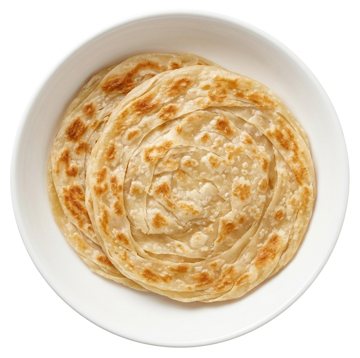
Kerala Paratha tastes rich and buttery with only mild sweetness, unlike the sweet, coconut- and cardamom-forward profile of this dish.
  • Same: Kerala Paratha also uses milk, sugar, salt, and butter in its base dough.
  • Different: Kerala Paratha is a layered, flaky flatbread cooked with ghee and peanut oil, lacking the cardamom and grated coconut filling used in this dish.
Malabari Paratha
Paratha from Malabar
Malabari Paratha tastes buttery and mildly savory rather than sweet and cardamom-scented like this dish.
  • Same: Both use milk, butter, sugar, and salt to make griddled breads.
  • Different: Malabari Paratha uses significantly more butter to form flaky, layered flatbreads and omits the cardamom and coconut filling of this dish.
Rogani Kulcha
Rich Kulcha
Rogani Kulcha is soft, eggy and chilli-spicy, while this dish is tender and sweet with coconut and cardamom.
  • Same: Rogani Kulcha shares plain flour, milk, egg, sugar, salt and vegetable oil with this dish, and neither lists a souring agent.
  • Different: It uses baking powder to leaven the dough and adds chilli powder plus an egg glaze, while this dish is a pan-cooked crêpe filled with tender coconut, cardamom, butter, sultanas and cashews.
Taftan
Flaky Bread
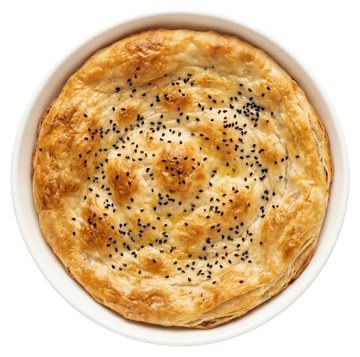
Taftan is soft and airy with mild sweetness and a savoury onion-like nigella bite, whereas this dish is tender and moist with a sweet coconut-cardamom filling.
  • Same: Taftan and this dish both use plain flour, milk, egg, sugar, salt and vegetable oil in an enriched batter or dough.
  • Different: Taftan adds yeast, yogurt, ghee and nigella seeds and is a leavened baked flatbread, while this dish is an unleavened pan-cooked crêpe filled with tender coconut, cardamom, sultanas and cashews.