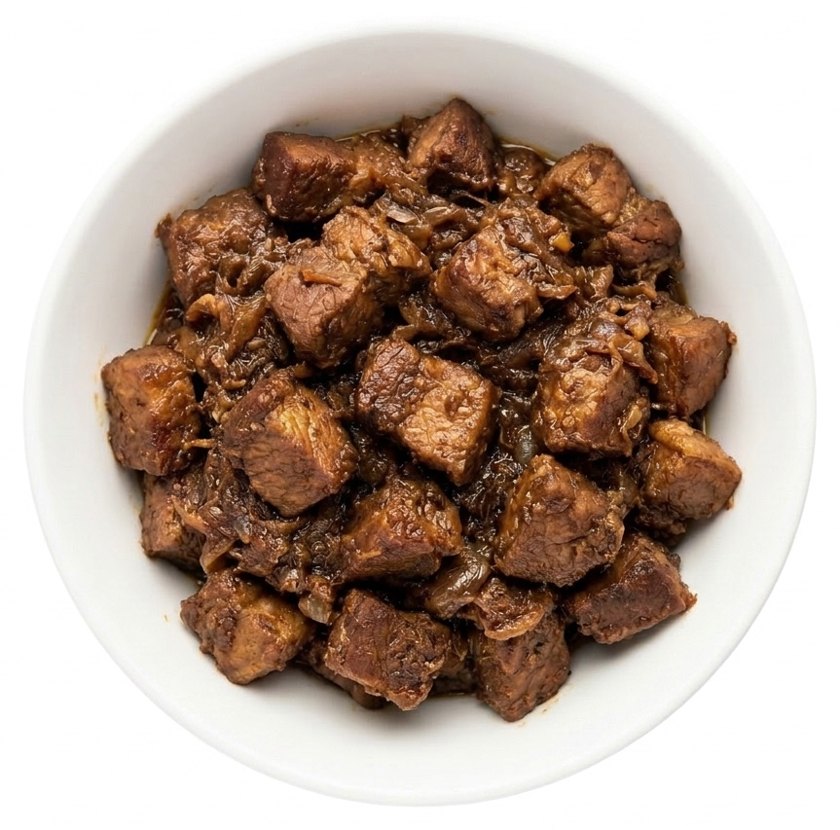
Oma Eoni
A rich Naga-style pork fry simmered in an aromatic base of ginger, garlic, and onion. The meat turns tender and savoury as it browns and gently cooks in its own juices.
Ginger and garlic paste
31 gFried with the onion in the hot oil (step 1)Everything else

Method
- Warm 27 g vegetable oil in a deep, heavy-based pan or kadhai over medium heat. Add the ginger and garlic paste and 1 tbsp Ubala Pisa Pyaz, then stir-fry for 1 to 2 minutes until golden brown.
- Tumble in 1000 g pork and season with salt to taste. Mix thoroughly and fry for 7 to 8 minutes, stirring regularly, until the meat is browned on all sides.
- Splash in 125 ml water, turn the heat down to low, cover with a lid, and simmer gently for 30 minutes until the pork is thoroughly cooked and tender.
Don't have something?


 Peanut oil
Use 1:1 by weight. Handles high-heat frying identically and introduces a very subtle, pleasant nuttiness.
 Ghee
Use 1:1 by weight. Yields a much richer, authentic aroma and a glossy, heavier mouthfeel.
 Mustard oil
Use 1:1 by weight. Heat until smoking, then cool slightly before cooking to temper its intensely pungent, sharp mustard kick.


 Fresh ginger
Use equal weight; peel and grate very finely on a microplane or pound to a fine paste in a mortar.
 Ginger
Use equal weight; mince finely and crush with the flat of a knife before frying.
 Ground ginger
Use 20% of the weight; add directly with the dry spice powders, though it yields an earthier, less pungent profile.


 Garlic
Use equal weight; crush or finely grate to a smooth pulp to replicate the same fresh, pungent moisture in your base gravy.
 Garlic powder
Use 20 to 25% of the weight; mix with a teaspoon of water before adding to oil so it does not burn, noting it lacks the fresh bite.


 Onion paste
Use the same weight, then simmer in a little water for 5–8 minutes and cool; raw paste is sharper and stronger.
 Fried onion paste
Use about 75% of the weight; it is sweeter, darker and stronger, so reduce salt and sugar slightly.
 Boiled onion
Use the same weight, boil until soft and blend; it is the same thing made fresh.


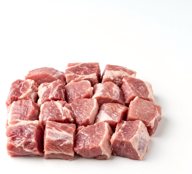
 Lamb shoulder
Use equal weight, diced similarly. Cook using the same slow braising method; lends a richer, slightly gamier flavour and retains moisture well.
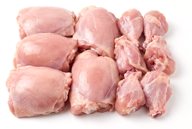 Chicken
Use equal weight of bone-in thighs. Cut into pieces and reduce simmering time by about half (cook for 25-30 minutes) to keep the meat succulent.

Similar dishes

- Same: Tabathyu also features pork seasoned simply with ginger paste, garlic paste, and salt.
- Different: Unlike this oil-fried dish made with onion paste, Tabathyu is simmered as a water-based stew without added oil or onions and incorporates dried red chillies.

- Same: Wookhan also simmers pork with ginger, onion, and salt.
- Different: Wookhan is prepared as a water-based stew without added oil or garlic, adding whole green chillies and fresh onions instead of boiled onion paste and garlic paste.

- Same: Wak Serjak also cooks pork in vegetable oil seasoned with ginger, onion, and salt.
- Different: It is stewed into a brothy curry with fresh tomatoes and green chillies, omitting the garlic paste and dry-fried cooking style of this dish.

- Same: Doi Nei also simmers a kilogram of pork in vegetable oil with ginger paste, onion, and salt.
- Different: Doi Nei incorporates green chillies and black soya beans, doubles the ginger paste, and uses chopped onion instead of boiled onion paste, while omitting the garlic paste and using less oil to produce a thick gravy rather than a dry fry.