Indian cooking
Indian cooking / Dishes / Vendaya Keerai Adai
Vendaya Keerai Adai (Rice & Fenugreek Leaf Pancakes)

Vendaya Keerai Adai

Rice & Fenugreek Leaf Pancakes
Vegetarian●●●Origin Tamil NaduPrep 20–30 minutes, plus soaking timeCook 35–45 minutes

A savoury South Indian lentil and rice pancake packed with fresh coconut and mildly bitter fenugreek leaves. It cooks up crisp along the edges with a tender, wholesome centre.

Batter spices

7 gBlended with the drained rice in step 2
02
1.4 g½ teaspoon
spice
Keep whole; they will be ground together with the rice.

Everything else

01
96 g½ cup
grain
02
94 g½ cup
grain
03
Chana dalrinsed and drained
50 g4 tablespoons
legume
04
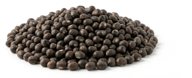
Black gram · Urad Dalrinsed and drained
26 g2 tablespoons
legume
05
96 g1 cup
fruit
06
58 g1½ cups
herb
07
Vegetable oil · Telfor shallow-frying
to taste
oil/fat
08
to taste
salt

Method

  1. Place 96 g basmati rice and 0.5 cup parboiled rice into a bowl of water to soak for 1 hour. In another bowl, cover 50.4 g chana dal and 25.8 g urad dal with water and soak for 1 hour.
  2. Drain the soaked rice mixture and transfer it to a food processor or blender with the batter spices. Blend while gradually introducing 3 tbsp of water, processing until you have a coarse batter, then transfer to a clean mixing bowl.
  3. Drain the soaked lentils and process them with 2 tbsp of water until coarsely ground. Tip the lentil mixture into the rice batter, then fold in 96 g fresh coconut, 1.5 cup fenugreek leaves, and salt to taste. Stir in a small splash of water if required to achieve a thick, pourable consistency.
  4. Set a flat griddle, tawa, or frying pan over high heat until water droplets sizzle on contact. Lower the heat slightly and spread a thin film of vegetable oil across the surface.
  5. Pour a ladle of batter onto the hot surface, swirling outward with the ladle base to make a 15 cm (6 inch) round. Make a small opening in the centre, then drizzle about 1 tsp of vegetable oil into the hole and around the edges.
  6. Fry for roughly 2 minutes until the underside is deep golden. Turn over with a spatula and fry the reverse side for another 2 minutes until crisp and browned. Transfer to a plate to serve hot, then continue with the rest of the batter.

Don't have something?

Basmati rice
  • Plain boiled rice

    Use 2.5 times the weight if substituting pre-cooked rice. Fold in gently at the end of the recipe; grains will be shorter and less fragrant.

Parboiled rice
  • Long-grain rice

    Use the same weight; it cooks softer and faster, so use about 10–15% less water and check earlier.

  • Basmati rice

    Use the same weight; it is less stout and cooks faster, so reduce water and simmer gently.

  • Rice

    Use the same weight; any plain rice will work but will not have the firm bite of parboiled rice.

Chana dal
  • Yellow split peas

    Use 100% of the weight. Soak for at least 1 hour; takes about 10 minutes longer to cook through and has a marginally earthier flavour.

  • Pigeon peas

    Use 100% of the weight. Reduces cooking time by about 10 minutes and breaks down softer, giving a smoother consistency rather than distinct grains.

  • Black gram

    For tempering or tadka only: use 70% of the weight. Browns faster in hot oil, providing a nutty, crunchy bite.

Urad dal
  • Whole black gram

    Use equal weight. Needs longer soaking and cooking; the dark skins impart an earthy flavour and greyish-black hue unless thoroughly rubbed off.

  • Chana dal

    Use equal weight when tempering (tadka). Provides a comparable nutty, crunchy texture in hot oil, though grains are slightly larger.

  • Split mung beans

    Use equal weight for batters or dals. Ferments and cooks faster, producing a lighter, less sticky, and less viscous consistency.

Dried red chilli
  • Dried kashmiri chilli

    Use equal weight whole. Fry in hot oil or ghee as tempered spice; gives a richer red colour with slightly milder heat.

  • Red chilli powder

    Use 50% to 70% of the weight. Stir into the oil with ground spices; distributes heat evenly throughout the dish without whole chilli skins.

Asafoetida
  • Garlic powder

    Use double the weight. Stir into hot oil just before adding wet ingredients; mimics the allium savoury background without the sulphurous edge.

  • Garlic paste

    Use 2 g for every 0.5 g of asafoetida. Sauté in oil until the raw smell clears; adds moisture and sweet allium depth.

Fresh coconut
  • Desiccated coconut

    Use 50% to 60% of the weight, soaked in equal parts warm water for 15 minutes before grinding. Works well for chutneys, though texture is slightly finer and sweeter.

  • Coconut milk

    Use 1.2 times the weight in curries. Adds creamy richness and authentic flavour, but makes gravies smoother and eliminates the grated, chewy mouthfeel.


Fenugreek leaves
  • Dried fenugreek leaf

    Use 10% of the fresh weight, rub between the palms or soak in warm water for 5 minutes. More hay-like and less fresh-bitter; add near the end.

  • Spinach

    Use the same weight, chop and wilt. Gives leafy body but none of methi's bitter aroma; adjust salt and add a pinch of sugar.

  • Fenugreek shoots

    Use the same weight, chop finely and discard any tough stems. Milder and more tender; cook 2–3 minutes less.

Vegetable oil
  • Peanut oil

    Use 1:1 by weight. Handles high-heat frying identically and introduces a very subtle, pleasant nuttiness.

  • Ghee

    Use 1:1 by weight. Yields a much richer, authentic aroma and a glossy, heavier mouthfeel.

  • Mustard oil

    Use 1:1 by weight. Heat until smoking, then cool slightly before cooking to temper its intensely pungent, sharp mustard kick.

Similar dishes

Masala Idli
Spicy Steamed Rice Dumplings
Masala Idli tastes soft and pillowy with gentle green-chilli and tempered-seed spice, while this dish is crisp at the edges with a mildly bitter fenugreek note and dried red-chilli heat.
  • Same: Masala Idli shares parboiled rice, urad dal, chana dal, fresh coconut, asafoetida, vegetable oil and salt with this dish.
  • Different: Masala Idli omits fenugreek leaves, basmati rice and dried red chilli, and adds ginger, green chilli, coriander leaf, mustard seed, cumin seed and curry leaf; it is steamed rather than cooked as a crisp-edged pancake.
Khuzhi Paniyaram
Fried Rice Dumplings from Chettinad
Khuzhi Paniyaram tastes soft and spongy with mustard, onion, and coconut notes, while this dish tastes crisp at the edges with a mild bitterness from fenugreek leaves.
  • Same: Khuzhi Paniyaram shares with this dish a South Indian rice-and-lentil batter made with parboiled rice, urad dal, fresh coconut, vegetable oil, and salt.
  • Different: Khuzhi Paniyaram lacks this dish's chana dal, dried red chilli, asafoetida, and fenugreek leaves, and it adds mustard seed, onion, coriander leaf, and fenugreek seed before being fried as dumplings rather than cooked as pancakes.
Puli Bongaralu
Rice Flour & Lentil Snacks
Puli Bongaralu has a sharp, savoury bite from fresh ginger, green chillies, and cooked onions, lacking the sweet, nutty richness of fresh coconut in this dish.
  • Same: Both are savoury South Indian dishes made from a base of rice, chana dal, and urad dal seasoned with dried red chillies, asafoetida, and salt.
  • Different: Puli Bongaralu is made with a heavy base of urad dal, onions, ginger, green chillies, and mustard seeds, whereas this dish uses basmati rice and fresh coconut without alliums.
Pongal
Pepper-flavoured Porridge
Pongal is richer and buttery with a sharp peppery heat, lacking the nutty bite of coconut and fenugreek found in this dish.
  • Same: Pongal shares a base of basmati rice, dried red chillies, and asafoetida with this dish.
  • Different: Pongal is boiled into a porridge using moong dal and tempered in ghee with black peppercorns, mustard seeds, and curry leaves, whereas this dish blends chana dal, urad dal, and fresh coconut into a batter fried in vegetable oil as pancakes.