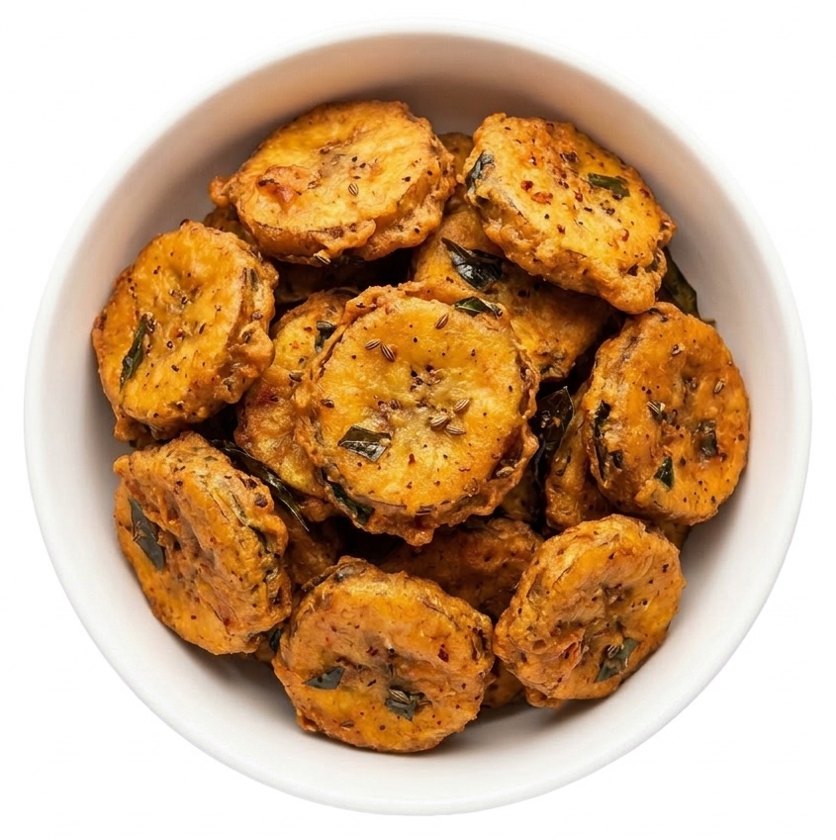
Vaarzhaikkai
Crispy South Indian-style raw banana fritters coated in a spiced chickpea batter. They are savoury, mildly pungent from ajwain and asafoetida, and tender inside.
Batter spices
4.9 gMixed into the batter in step 2Everything else

Method
- Trim and peel the 3 bananas, then slice them lengthwise into thin slabs.
- In a wide mixing bowl, combine 1 cup chickpea flour, 1 teaspoon flour, chopped curry leaf to taste, salt to taste, and the batter spices. Whisk in water gradually until you have a smooth, pourable yet heavy coating batter.
- Fill a deep, heavy pot with vegetable oil and heat to 180°C (350°F).
- Dredge each banana strip through the batter until completely coated, then lower gently into the hot oil. Cook in batches for 3 to 4 minutes, flipping occasionally, until crisp and evenly golden.
- Transfer the fried slices with a slotted spoon onto paper towels to drain, then serve immediately alongside the chutney.
Don't have something?


 Raw green banana
Use the same weight; peel and boil until just tender. Very close, but may need a few extra minutes.
 Green plantain
Use the same weight; peel, cut and boil or steam. Firmer and starchier, so cook a little longer.
 Unripe plantain
Use the same weight; peel and parboil before adding. Slightly sweeter finish.


 Yellow split pea flour
Use 100% of the weight. Many commercial gram flours are milled from split peas; performs identically in pakora batters and kadhi.
 Cornstarch
For crisping batters or binding cutlets: use 50% to 60% of the weight. Produces a very crisp shell but lacks the earthy, roasted nutty flavour of besan.


 Cornflour
Use about 60–70% of the weight for thickening; for coatings use the same weight but the crust is denser.
 Plain flour
Use the same weight for coatings; contains gluten, browns faster and is less crisp.
 Fine semolina
Use the same weight for crisp coatings; coarser texture and needs a short rest.


 Garlic powder
Use double the weight. Stir into hot oil just before adding wet ingredients; mimics the allium savoury background without the sulphurous edge.
 Garlic paste
Use 2 g for every 0.5 g of asafoetida. Sauté in oil until the raw smell clears; adds moisture and sweet allium depth.


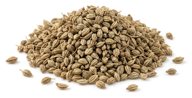 Carom seed
Use the same weight; this is the same spice.
 Cumin seed
Use 75% of the weight, toasted; different, less medicinal flavour.
 Fennel seed
Use 50% of the weight, crushed; sweeter and milder.


 Red chilli powder
Use 100% of the weight. Provides direct, sharp heat and red colour in equal measure.
 Kashmiri chilli powder
Use 150% to 200% of the weight if matching colour, but add a pinch of black pepper or hot chilli if you need equivalent fiery heat.
 Cayenne pepper
Use 75% to 100% of the weight. Offers a sharp, clean heat with slightly less earthy depth and less crimson colour.


 Bay leaf
Fry 1 bay leaf for every 5 curry leaves in hot oil; imparts a warm, woodsy background note, but misses the citrus-sulphury punch entirely.
 Lime juice
Add a small squeeze (about 5 ml per sprig of curry leaves) right before serving; provides sharp citrus top notes without the toasty, herbal aroma.


 Peanut oil
Use 1:1 by weight. Handles high-heat frying identically and introduces a very subtle, pleasant nuttiness.
 Ghee
Use 1:1 by weight. Yields a much richer, authentic aroma and a glossy, heavier mouthfeel.
 Mustard oil
Use 1:1 by weight. Heat until smoking, then cool slightly before cooking to temper its intensely pungent, sharp mustard kick.


 Green chutney
Use the same weight; it is fresher and less sweet, so add a little tamarind paste or sugar if the recipe needs the sweet-sour balance.
 Tamarind chutney or mint chutney
Use the same weight; choose tamarind chutney for sweetness or mint chutney for freshness. Adjust salt and chilli to taste.
 Mint chutney
Use the same weight and stir in a little tamarind paste; it will be more minty and less tamarind-heavy.


Similar dishes
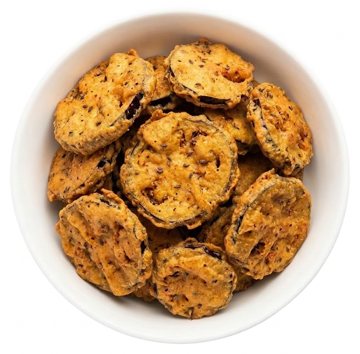
- Same: Both are deep-fried in vegetable oil using a chickpea flour batter seasoned with ajwain and asafoetida, and served alongside Chintapandu Koythamira Chutney.
- Different: Kathirakkai uses aubergine instead of raw banana and omits the chilli powder and curry leaves found in this dish.

- Same: Papri also uses chickpea flour seasoned with chilli powder and asafoetida, deep-fried into a crisp snack.
- Different: Instead of batter-coating raw banana slices with ajwain and curry leaves in vegetable oil, Papri is a rolled dough cracker fried in mustard oil.

- Same: Both dishes are deep-fried and seasoned with chickpea flour, asafoetida, and chilli powder.
- Different: Besani Poori is a puffed flatbread made from a wheat and gram flour dough fried in ghee, lacking the raw banana, ajwain, curry leaves, and accompanying chutney of this dish.

- Same: Both recipes rely on chickpea flour and share asafoetida and chilli powder.
- Different: Rajasthani Karhi is a simmered yogurt curry tempered with cumin seeds, turmeric, and garlic in peanut oil and ghee, whereas this dish deep-fries raw banana slices in vegetable oil with ajwain seeds and curry leaves.