
Masoor Dal
A soothing, quick-cooking red lentil dal enriched with turmeric and finished with an aromatic ajwain and dried chilli tadka. It is mild, savoury, and gently spiced.
Boiling spices
3 gStirred into the water with the dal (step 1)Tempering spices
5 gFried in the hot fat (step 3)Everything else

Method
- Pour 1.2 litres of water into a large heavy-based pan, then add 250 g masoor dal and the boiling spices. Bring to a boil and skim off any surface foam with a slotted spoon.
- Turn down the heat, add salt to taste, and simmer gently for about 20 minutes until the lentils are completely soft, stirring to break them apart.
- Warm 4.5 g ghee or vegetable oil in a skillet over medium heat. Tip in the tempering spices and fry for roughly 2 minutes, until the chillies take on a slightly deeper shade.
- Transfer the hot spiced oil into the cooked dal, cover the pan, and simmer for 2 minutes more.
- Stir in 20 g coriander leaf and 24 g green chilli right before taking the pan off the heat.
Don't have something?


 Split mung beans
Use equal weight; cooks down to a creamy, comforting purée in roughly the same 20-25 minutes, with a paler yellow colour.
 Pigeon peas
Use equal weight; needs 15 minutes longer cooking or pressure cooking, producing a slightly grainier, nuttier dal.
 Chana dal
Use equal weight; pre-soak for 1 hour and cook for 20 minutes longer; stays whole rather than breaking down into a silky soup.


 Ground ginger
Use 50% of the weight. Mimics turmeric's warm, earthy, rhizome background, but provides none of the golden-yellow colour.
 Saffron
Steep a tiny pinch (0.1 g per 2 g turmeric) in 2 tbsp warm water; use to match the rich golden hue. Contributes an aristocratic, honeyed floral flavour rather than earthy bitterness.


 Peanut oil
Use equal weight; handles high tempering heat well and keeps flavours neutral.
 Butter
Use equal weight; cook over gentle heat to prevent browning the milk solids too quickly.


 Dried kashmiri chilli
Use equal weight whole. Fry in hot oil or ghee as tempered spice; gives a richer red colour with slightly milder heat.
 Red chilli powder
Use 50% to 70% of the weight. Stir into the oil with ground spices; distributes heat evenly throughout the dish without whole chilli skins.


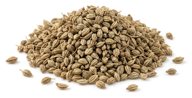 Carom seed
Use the same weight; this is the same spice.
 Cumin seed
Use 75% of the weight, toasted; different, less medicinal flavour.
 Fennel seed
Use 50% of the weight, crushed; sweeter and milder.


 Chilli powder
Use 10 to 15% of the weight (about 1/4 teaspoon per chilli); imparts dry pungent heat and reddens the dish without the grassy crunch.
- Dried red chilli
Use 1 dried pod per fresh green chilli; snap in half and temper in hot oil for a deeper, toastier heat.

Similar dishes

- Same: Sukhi Urad ki Dal also cooks lentils with ground turmeric, salt, and green chillies before finishing them in ghee with dried red chillies.
- Different: Sukhi Urad ki Dal is cooked as a dry dish using urad dal, cumin seeds, asafoetida, and ginger, omitting the ajwain seeds and fresh coriander used in this soupy masoor dal.

- Same: Payatham Pezhukku is also a simple dal seasoned with salt and tempered with dried red chillies.
- Different: It uses moong beans, curry leaves, and coconut oil instead of this dish's split red lentils, ajwain seeds, fresh green chillies, coriander leaves, turmeric, and ghee.
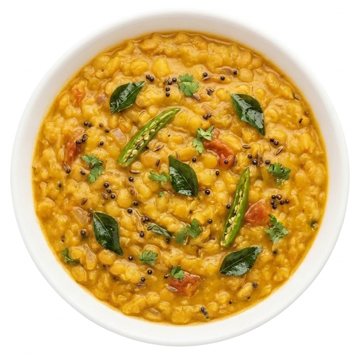
- Same: Tadka Dal shares masoor dal, turmeric, green chilli, coriander leaf and salt with this dish, and both finish the dal with a tempering.
- Different: Tadka Dal uses 27 g vegetable oil and adds mustard seed, cumin seed, curry leaf, onion, garlic, tomato and sugar, while this dish uses 4.5 g ghee or oil and adds ajwain seed and dried red chilli.

- Same: Both dishes season their legumes with turmeric, green chillies, and a final temper of dried red chillies in ghee or vegetable oil.
- Different: Hari Matar ke Kofte cooks fried green gram dumplings in a yoghurt sauce seasoned with garlic, cumin, and asafoetida, rather than boiling split red lentils with ajwain and fresh coriander.