Indian cooking
Indian cooking / Dishes / Sabut Achari Baigan
Sabut Achari Baigan (Whole Aubergines (Eggplant)
in Pickling Spices)

Sabut Achari Baigan

Whole Aubergines (Eggplant) in Pickling Spices
Vegetarian●●●Origin AwadhPrep 15 minutesCook 10–15 minutes

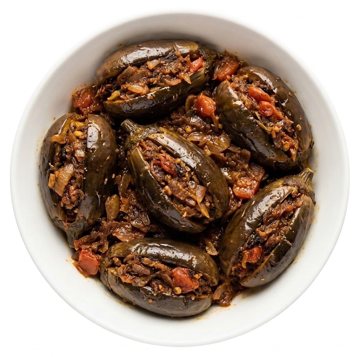
Whole aubergines are slit and stuffed with a pungent, tangy blend of classic pickling spices fried in mustard oil. The dish is sharp, aromatic, and deeply savoury with gentle bitter notes from the seeds.

Whole pickling spices

6 gFried in the hot oil (step 2)
01
1.9 g½ teaspoon
spice
02
1.6 g½ teaspoon
spice
03
3 g1 teaspoon
spice
Keep whole; they will be bloomed directly in the oil.

Ground spices

6 gAdded to the sizzling oil with the salt water (step 3)
01
1.8 g1 teaspoon
spice
02
2.6 g1 teaspoon
souring agent
03
1.5 g½ teaspoon
spice
Stir together until evenly combined.

Everything else

01
600 g3 aubergines
vegetable
02
54 g4 tablespoons
oil/fat
03
to taste
salt

Method

  1. Slit a cross into the base of each of the 3 aubergines, cutting towards the stem while keeping them attached at the top. Stir salt to taste into 2 tablespoons of water in a small ramekin until completely dissolved.
  2. Pour 54 g mustard oil into a deep, heavy pan or kadhai set over high heat. Once smoking hot, dial the heat down, add the whole pickling spices, and stir-fry for roughly 1 minute until the seeds crackle and pop.
  3. Scatter in the ground spices, immediately pour in the prepared salt water, and stir-fry for 30 seconds. Take the pan off the heat.
  4. Divide the spiced mixture evenly among the aubergines, packing it into the cuts. Place the stuffed aubergines back into the pan, cover tightly, and steam over very low heat for 5 to 7 minutes, gently rolling them once or twice until heated through and tender.

Don't have something?

Aubergine
  • Baby aubergine

    Use the same weight; halve or quarter and cook 2–3 minutes longer. They hold their shape better in the sauce.

  • Small aubergine

    Use the same weight; slice or cube to the recipe's size. Similar flesh, slightly firmer.

  • Round aubergine

    Use the same weight; cube and salt for 10 minutes if the recipe does. It absorbs oil a little more.

Mustard oil
  • Peanut oil

    Use equal weight. It handles high-heat cooking well, but lacks the signature pungent, nasal heat of mustard oil.

  • Vegetable oil

    Use equal weight. Neutral in flavour, so your curry will lack the characteristic Bengali or North Indian pungent punch.

Fenugreek seed
  • Mustard seed

    Use 50% of the weight, crush or grind. Sharper heat and less maple-bitter; fry briefly in oil before adding.

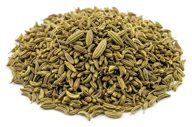
  • Caraway seeds

    Use the same weight, crush lightly. Similar bitter-seed note but more aniseed; reduce other sweet spices slightly.

  • Ajwain seeds

    Use 25–30% of the weight, crush. Much stronger thyme-like flavour; do not overdo.

Mustard seed
  • Black mustard seed

    Use the same weight. The seeds are smaller and hotter; fry in hot oil until they pop, about 20–30 seconds, and reduce the heat if they darken too fast. The dish will be a little sharper.

  • Yellow mustard seeds

    Use the same weight. They are milder and larger; fry a few seconds longer until they pop. The finished dish will have less pungency.

  • Ground mustard seed

    Use 70% of the weight of whole seed, added with the other ground spices rather than fried whole. You lose the popping texture and the heat comes through more evenly.

Nigella seeds
  • Black cumin seeds

    Use equal weight. Imparts an earthy, slightly bitter note in temperings, though it lacks nigella's oniony sharpness.

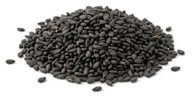
  • Black sesame seeds

    Use equal weight. Gives a similar speckled appearance and light crunch on breads, but provides a nutty rather than herbaceous, onion-like flavour.

Ground aniseed
  • Ground fennel seed

    Use the same weight; fennel is the closest everyday match, slightly sweeter and milder.

  • Aniseed

    Grind the same weight freshly; the aroma is stronger, so add it near the end.

  • Ground star anise

    Use about 50% of the weight; it is much more powerful and slightly liquorice-heavy.

Ground coriander
  • Coriander seeds

    Dry-roast lightly in a pan and grind to a fine powder; use equal weight (1:1). Offers a noticeably fresher, brighter citrus note.

  • Ground cumin

    Use 50% to 75% of the weight. Lacks the floral, citrusy profile of coriander and turns the gravy heavier, earthier, and darker.

  • Garam masala

    Use 50% of the weight and stir in near the end of cooking. Adds warmth and depth since it contains ground coriander, but introduces stronger spices like clove and cinnamon.

Amchoor
  • Lemon juice

    Use 15 g (1 tbsp) for every 5 g of amchoor. Stir in at the very end off the heat; adds liquid and fresh citrus aroma rather than dry fruity tang.

  • Tamarind extract

    Use 75% of the weight, dissolved in a splash of warm water. Simmer briefly; darkens the gravy and provides a deeper, caramelised sourness.

Ground turmeric
  • Ground ginger

    Use 50% of the weight. Mimics turmeric's warm, earthy, rhizome background, but provides none of the golden-yellow colour.

  • Saffron

    Steep a tiny pinch (0.1 g per 2 g turmeric) in 2 tbsp warm water; use to match the rich golden hue. Contributes an aristocratic, honeyed floral flavour rather than earthy bitterness.


Similar dishes

Bengali Begun Bhaja
Quick-Fried Aubergines with Turmeric and Chilli
Bengali Begun Bhaja tastes savoury and gently spicy with crisp edges and soft insides, while this dish is sharper, tangier, and more aromatic with bitter seed notes.
  • Same: Bengali Begun Bhaja shares aubergine, turmeric, salt, and the option of mustard oil with this dish.
  • Different: Bengali Begun Bhaja uses thick aubergine rounds shallow-fried with turmeric and Kashmiri chilli, while this dish stuffs whole slit aubergines with a fried pickling-spice mix including fenugreek, mustard seed, nigella, aniseed, coriander, and amchoor in mustard oil.
Kathirakkai Poriyal
Curried Aubergines (Eggplant)
Kathirakkai Poriyal offers a warm, nutty heat with fruity tamarind acidity rather than the pungent, sharp, and slightly bitter bite of this dish.
  • Same: Kathirakkai Poriyal also centers on aubergine seasoned with mustard seeds, coriander, and ground turmeric.
  • Different: Instead of stuffing whole aubergines with amchoor and pickling seeds in mustard oil, Kathirakkai Poriyal cooks chopped aubergine in vegetable oil with onion, urad dal, curry leaves, dried red chillies, and tamarind extract.
Bharwan Baigan
Aubergines (Eggplant) with Spicy Filling
Bharwan Baigan tastes warmer, richer, and sweeter from the cooked onions and tomatoes, lacking the sharp, sour tang and seed bitterness of this dish.
  • Same: Bharwan Baigan also stuffs whole slit aubergines and cooks them in mustard oil seasoned with ground coriander and turmeric.
  • Different: Instead of this dish's amchoor and whole pickling seeds, Bharwan Baigan uses a rich onion-tomato paste seasoned with ginger, garlic, cloves, chilli powder, and garam masala.
Gutti Vengkayya
Stuffed Aubergines (Eggplant) from Andhra
Gutti Vengkayya is a rich, gently hot curry with tamarind sourness and a nutty lentil paste, whereas this dish is sharper and more pungent from mustard oil, amchoor and bitter pickling seeds.
  • Same: Both are whole aubergines slit and stuffed with a tangy spice mix, and both use turmeric, coriander and mustard seed.
  • Different: Gutti Vengkayya adds toasted chana dal, urad dal, dried red chilli, tamarind, asafoetida, curry leaves and an onion base cooked in vegetable oil, while this dish uses mustard oil and a pickling blend of fenugreek, nigella, aniseed and amchoor without onion or lentils.