Indian cooking
Indian cooking / Spice mixtures / Pudine Ka Paratha

Pudine Ka Paratha

Mint Paratha with Chilli, Cumin & Chaat Masala
VegetarianMakes 5

Pudine ka paratha is a flaky layered flatbread scented with fresh mint and filled with a tangy chilli-cumin-chaat masala. It eats crisp at the edges, with a warm minty heat and a sour-salty lift from the chaat masala.

Mint for the dough

20 gStirred into the flour, oil and salt (step 1)
01
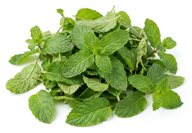
Mint leaf · Pudinafinely chopped
20 g
herb
Chop finely, then mix into the dry ingredients before the water goes in.

Spice mix

11 gScattered over the ghee-brushed rolled dough (step 3)
01
1 g2 teaspoons
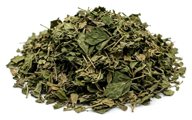
herb
02
Cumin seed · Jeeracoarsely crushed
1.1 g½ teaspoon
spice
04
6 g2 teaspoons
spice blend
Stir the four spices together in a small bowl until evenly combined.

Everything else

01
Plain flour · Maidaplus extra for dusting
210 g
flour
02
14 g1 tablespoon
oil/fat
03
~0.3 g1 pinch
salt
04
Melted ghee · Gheefor brushing and frying
to taste
oil/fat

Method

  1. Put 210 g plain flour, 13.5 g vegetable oil and 0.3 g sea salt into a wide bowl. Stir in the mint for the dough (20 g mint leaf), then add 110 ml water in small splashes, kneading until a soft dough forms. Cover the bowl and leave for 1 hour.
  2. Stir together the spice mix: 1.2 g dried mint leaf, 1.1 g cumin seed, 2.6 g kashmiri chilli powder and 6 g chaat masala. Set aside in a small bowl.
  3. Cut the dough into 5 equal pieces. Roll one piece out very thin. Brush it with melted ghee, then scatter over a generous pinch of the spice mix. From the near edge, roll the dough away into a long rope. Curl one end round until it meets the other end, press the coil flat and set aside. Repeat with the rest, cover and rest for 1 hour.
  4. Heat a large dry frying pan over a medium heat.
  5. Roll one coil into a 20 cm round, dusting with extra plain flour to stop it sticking. Put it in the pan and cook for 1 minute on each side. Add 1 teaspoon melted ghee, flip the paratha and fry for 1 minute until light brown and flaky. Spread a little more ghee on the top, flip again and cook for 1 minute more, adding a little ghee as needed, until light brown and cooked through. Wrap in foil or a clean cloth to keep warm. Cook the remaining parathas the same way.

Don't have something?

Plain flour
  • Whole wheat flour

    Use the same weight, add 10–15% more water and rest the dough for 20 minutes; the result is heavier and nuttier.

  • Rice flour

    Use the same weight for crisp coatings; for doughs use no more than half rice flour with wheat flour, or it will be crumbly.

  • Cornflour

    For thickening use half the weight, mixed with cold water; it is not suitable for bread or chapati dough.

Vegetable oil
  • Peanut oil

    Use 1:1 by weight. Handles high-heat frying identically and introduces a very subtle, pleasant nuttiness.

  • Ghee

    Use 1:1 by weight. Yields a much richer, authentic aroma and a glossy, heavier mouthfeel.

  • Mustard oil

    Use 1:1 by weight. Heat until smoking, then cool slightly before cooking to temper its intensely pungent, sharp mustard kick.

Mint leaf
  • Mint leaves

    Use the same weight; identical herb, just the plural listing.

  • Dried mint

    Use 25% of the fresh weight, about 1 g dried for 4 g fresh; crush between fingers. Flavour is stronger and slightly hay-like.

  • Coriander leaf

    Use the same weight; it gives a fresh green note but not true mint flavour.

Melted ghee
  • Melted butter

    Use the same weight; milk solids may brown faster. Add a pinch of salt if using unsalted butter.

  • Vegetable oil

    Use 90% of the weight; loses the nutty ghee flavour. Best for cooking, not for finishing.

  • Coconut oil

    Use 90% of the weight; adds a coconut aroma. Use only where that suits the dish.

Dried mint
  • Mint

    Use 3 to 4 times the weight, finely chopped. Stir in towards the very end of cooking; provides a fresher, brighter herbal lift rather than deep, concentrated menthol.

  • Dried fenugreek leaves

    Use equal weight, crushed between your palms. Offers savoury, earthy bitterness rather than cooling mint, but works nicely in marinades and rich gravies.


Cumin seed
  • Ground cumin

    Use 70% of the weight; add with ground spices or sauce bases rather than hot oil tempering, where it scorches quickly and turns bitter.

  • Black cumin seeds

    Use equal weight for oil tempering. Delivers an earthy profile with an additional musky, smoky, and slightly bitter edge.

  • Fennel seed

    Use 60% of the weight for tempering; offers comparable warm aroma, but leans sweet and liquorice-like rather than savoury and earthy.

Kashmiri chilli powder
  • Dried kashmiri chilli

    Grind deseeded dried pods to an equal weight of powder; gives identical vivid red colour and gentle warmth.

  • Red chilli powder

    Use 25% of the weight mixed with sweet paprika for colour; straight red chilli powder is substantially hotter and will make the dish fiery.

  • Chilli powder

    Use one-third of the weight; the sauce will be less intensely red and notably sharper in heat.

Chaat masala
  • Tandoori snack spice mix

    Use the same weight; taste first as it can be smokier and saltier. Add lime or amchoor if the dish needs more tang.

  • Dried mango powder

    Use about half the weight, mixed with black salt and a pinch of ground cumin. It gives tang and saltiness but lacks the minty, asafoetida notes.

  • Black salt

    Use about half the weight and add lime juice to taste. It gives the salty, sulphurous edge but not the full tangy blend.