
Mujh
Tender radish slices braised in a lightly sweetened, aromatic yoghurt gravy. It balances the sharp tang of yoghurt with warming Kashmiri spices.
Initial tempering spices
2.9 gFried in the oil (step 2)Ground ginger
1.8 gStirred into the sauce with the water (step 3)Everything else

Method
- Warm 13.5 g mustard oil in a heavy pan over high heat until it smokes, then take it off the heat for a minute to cool slightly. Return the pan to medium heat, put in 400 g radish, and fry for 1 to 2 minutes until tinged light golden. Transfer the radish to a plate with a slotted spoon.
- Tip the initial tempering spices into the remaining oil and stir for a few seconds. Lower the heat, then pour in 259 g yogurt along with 4.2 g granulated sugar and salt to taste. Cook for 5 to 7 minutes, stirring non-stop to keep the sauce smooth, until oil beads across the surface.
- Return the fried radish to the pan and pour in 250 ml water. Add the ground ginger and 1.5 teaspoon aniseed, bring the liquid to a boil, and simmer over medium heat for about 5 minutes.
- Scatter 1 teaspoon garam masala Kashmiri over the dish, stir well, and turn off the heat.
Don't have something?


 Peanut oil
Use equal weight. It handles high-heat cooking well, but lacks the signature pungent, nasal heat of mustard oil.
 Vegetable oil
Use equal weight. Neutral in flavour, so your curry will lack the characteristic Bengali or North Indian pungent punch.


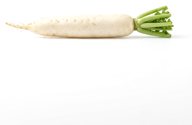
 White radish
Same vegetable under another name; use the same weight, peel and grate or slice. Salt a little less if very pungent.
 Radish
Use the same weight; red radishes are smaller and sharper, so grate and squeeze out excess water.
 Turnip
Use the same weight; milder and less peppery, so cook 3-5 minutes longer until tender.


 Garlic powder
Use double the weight. Stir into hot oil just before adding wet ingredients; mimics the allium savoury background without the sulphurous edge.
 Garlic paste
Use 2 g for every 0.5 g of asafoetida. Sauté in oil until the raw smell clears; adds moisture and sweet allium depth.


 Dried kashmiri chilli
Grind deseeded dried pods to an equal weight of powder; gives identical vivid red colour and gentle warmth.
 Red chilli powder
Use 25% of the weight mixed with sweet paprika for colour; straight red chilli powder is substantially hotter and will make the dish fiery.
 Chilli powder
Use one-third of the weight; the sauce will be less intensely red and notably sharper in heat.


 Plain yogurt
Use 100% of the weight. Whisk thoroughly until smooth before stirring into warm gravies to prevent curdling.
 Single cream
Use 90% of the weight combined with 10% lemon juice to replicate the lactic tang and rich body in marinades and curries.


 Jaggery
Use equal weight; grate or shave finely so it dissolves rapidly, giving a warm, caramel-like sweetness and slightly darker sauce.


 Ginger paste
Use 300% to 400% of the weight (e.g. 3–4 g paste for 1 g ground). Fry in oil alongside onions; provides a juicy, pungent kick rather than a dry, baking-spice heat.
 Fresh ginger
Peel and grate finely; use 300% to 400% of the weight. Add to the hot oil early; delivers bright, peppery warmth rather than the mellow, woody heat of dry ginger.
 Ground mace
Use 50% of the weight. Imparts a warm, spicy undertone in rich gravies, but lacks ginger's fiery, sharp zest.


 Ground fennel seed
Use the same weight; fennel is the closest everyday match, slightly sweeter and milder.
 Aniseed
Grind the same weight freshly; the aroma is stronger, so add it near the end.
 Ground star anise
Use about 50% of the weight; it is much more powerful and slightly liquorice-heavy.


 Garam masala
Use 75–80% of the weight; add at the same stage. More pungent and less aromatic, so taste before adding more.
 Ground garam masala
Use 75–80% of the weight; stir in off the heat. Finer powder, so it releases aroma quickly.
 Ground cardamom and mace
Use 20–25% of the weight alongside garam masala for aroma; it lacks the full spice profile.


Similar dishes

- Same: Kashmiri Kofte shares a yogurt-based braising sauce seasoned with mustard oil, Kashmiri garam masala, Kashmiri chilli powder, ground ginger, asafoetida, and sugar.
- Different: Instead of sliced radishes, Kashmiri Kofte uses minced lamb meatballs and adds vegetable oil, whole cloves, cumin seeds, and turmeric.

- Same: Mooli ka Raita also features white radish paired with a plain yogurt base.
- Different: Unlike this dish, which braises radish slices in mustard oil with ground ginger, asafoetida, sugar, and Kashmiri garam masala, Mooli ka Raita is an uncooked preparation combining raw grated radish with fresh green chillies, cumin seeds, and coriander leaf without any cooking fat.
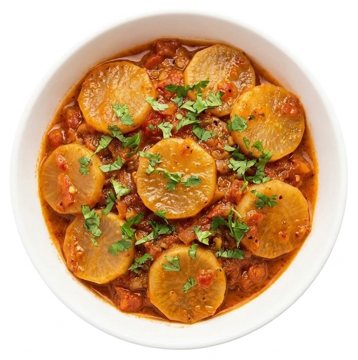
- Same: Tamatar Mooli also braises sliced radish in a spiced, lightly sweetened sauce seasoned with ground ginger, asafoetida, and chilli powder.
- Different: Instead of this dish's yogurt base, mustard oil, and Kashmiri garam masala, Tamatar Mooli uses a tomato base cooked in vegetable oil with cumin, fenugreek seeds, fresh ginger, and coriander.

- Same: Murg Roganjosh shares with this dish yoghurt as the souring agent, mustard oil as the fat, and Kashmiri chilli powder, asafoetida, ground ginger, ground aniseed, Kashmiri garam masala, and salt.
- Different: Murg Roganjosh uses chicken instead of radish, adds whole green and black cardamom, bay leaf, cinnamon, and clove, has much more mustard oil, and simmers meat until oil separates, while this dish braises radish slices in a yoghurt gravy with added sugar and no whole aromatics.