Indian cooking
Indian cooking / Dishes / Murg Roganjosh
Murg Roganjosh (Chicken in a Rich Scarlet Sauce)

Murg Roganjosh

Chicken in a Rich Scarlet Sauce
Non-vegetarian●●●Origin Jammu and KashmirPrep 20 minutes, plus marinating timeCook 30 minutes

Tender pieces of chicken simmered in an aromatic yoghurt and mustard oil sauce stained deep red with Kashmiri chilli. The gravy is rich, spiced with warming whole aromatics and sweet fennel, with oil separating gently around the meat.

Marinade spices

4.5 gWhisked into the yoghurt marinade (step 1)
Leave the pods whole.

Whole spices and asafoetida

4.2 gAdded to the hot oil alongside the chicken (step 2)
01
1 g2 leaves
spice
02
2.6 g2 pieces
spice
03
0.3 g4 cloves
spice
04
~0.3 gpinch
spice
Keep whole: they fry together in the hot oil.

Chilli powder

2.6 gStirred into the pan with a splash of water (step 4)
Keep ready to stir in quickly.

Ground ginger

1.8 gAdded with the remaining spices and water (step 5)
01
1.8 g1 teaspoon
spice
Add directly to the sauce.

Everything else

01
254 g250 ml
dairy
02
Chicken · Murghcut into pieces
1200 g1 chicken
poultry
03
228 g250 ml
oil/fat
04
to taste
salt

Method

  1. Whisk 254 g plain yogurt with the marinade spices and a seasoning of salt in a bowl. Rub this mixture over 1200 g chicken, place in a wide dish, cover, and marinate in the refrigerator for 3 hours.
  2. Warm 228 g mustard oil in a wide, heavy pan over medium heat. Tip in the marinated chicken and the whole spices and asafoetida. Cook with constant, gentle stirring for about 10 minutes, until the yoghurt moisture has evaporated and clear oil pools around the meat.
  3. Turn down the heat to medium-low and fry for another 10 minutes, letting the chicken pieces take on good colour.
  4. Pour 2 tablespoons (30 ml) of water into the pan and stir in the chilli powder. Raise the flame and stir briskly for a moment to bloom the spice without scorching it.
  5. Mix in the ground ginger, 2.5 teaspoons aniseed powder, 1 teaspoon Garam Masala Kashmiri, and 250 ml water. Drop the heat to low and simmer gently for roughly 10 minutes until the sauce thickens and fat floats to the surface.

Don't have something?

Plain yogurt
  • Yogurt

    Use equal weight, whisked thoroughly until smooth before adding to hot dishes to prevent curdling.

  • Coconut milk

    Use equal weight with 1 teaspoon lemon juice mixed in. Provides rich creaminess in curries, but adds a noticeable coconut flavour.

  • Single cream

    Use 80% of the weight plus a squeeze of lemon juice for acidity. Enriches sauces nicely, though it is richer and less tangy.

Green cardamom pod
  • Green cardamom seed

    Use 35 to 40% of the total pod weight; lightly bruise the seeds before frying in oil to release their essential oils.

  • Ground green cardamom

    Use 20 to 25% of the pod weight (about 1 generous pinch per pod); stir in toward the end of cooking so the delicate floral notes do not dissipate.

  • White cardamom pod

    Use 1:1 by pod count or weight; crack gently before using, though it is slightly less intensely floral.

Black cardamom pod
  • Ground black cardamom

    Use 0.5 g of ground seeds for each whole pod. Stir directly into the curry base; delivers identical smoky flavour without woody husks.

  • Green cardamom pod

    Use equal pod count or weight. Crack slightly and fry whole; tastes sweet, menthol-fresh, and floral rather than dark and smoky.

Chicken
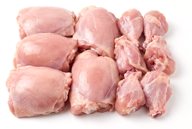
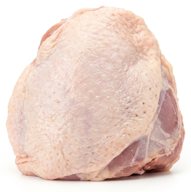
  • Turkey thigh

    Use 100% of the weight, cut into equivalent bone-in or boneless pieces. Simmer for an extra 5 to 10 minutes; flavour and texture are very similar.

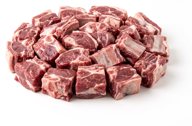
  • Lamb

    Use 100% of the weight. Cut into bite-sized pieces and extend simmering time by 35 to 50 minutes, adding extra liquid to allow the meat to tenderise.

Mustard oil
  • Peanut oil

    Use equal weight. It handles high-heat cooking well, but lacks the signature pungent, nasal heat of mustard oil.

  • Vegetable oil

    Use equal weight. Neutral in flavour, so your curry will lack the characteristic Bengali or North Indian pungent punch.

Bay leaf
  • Cinnamon stick

    Use a 2 cm piece (about 1 g) for every 1 to 2 bay leaves. Fry in whole-spice temperings; provides the cassia-like warmth typical of Indian tejpatta.

  • Ground cinnamon (cassia)

    Use 0.5 g per leaf. Stir into the sauce during simmering; gives the same warm woodiness but darkens the colour slightly.

Cassia bark
  • Ceylon cinnamon

    True cinnamon: thinner, papery quills, milder and sweeter. Use about 1.5 times the weight, and taste.

  • Ground cinnamon (cassia)

    Use about a third of the weight (0.5 g ground for a 2.5 cm piece), stirred in with the ground spices rather than fried whole, since the powder burns quickly.

  • Cassia buds

    Use 60-70% of the weight; stronger and more peppery, so taste before adding more.

Clove
  • Ground cloves

    Use 1 g ground for 4 g whole (or 1 small pinch per 2 to 3 whole cloves). Add with spice powders; disperses intense warmth quickly, so use with restraint.

  • Allspice berries

    Use 100% of the weight whole in tempering. Imparts a warm, clove-like aromatic profile combined with hints of nutmeg and cinnamon.

  • Black cardamom pod

    Use 1 pod for 3 to 4 cloves in whole tempering. Shares a camphor-like warmth and medicinal depth, though it introduces a distinct smoky undertone.

Asafoetida
  • Garlic powder

    Use double the weight. Stir into hot oil just before adding wet ingredients; mimics the allium savoury background without the sulphurous edge.

  • Garlic paste

    Use 2 g for every 0.5 g of asafoetida. Sauté in oil until the raw smell clears; adds moisture and sweet allium depth.

Kashmiri chilli powder
  • Dried kashmiri chilli

    Grind deseeded dried pods to an equal weight of powder; gives identical vivid red colour and gentle warmth.

  • Red chilli powder

    Use 25% of the weight mixed with sweet paprika for colour; straight red chilli powder is substantially hotter and will make the dish fiery.

  • Chilli powder

    Use one-third of the weight; the sauce will be less intensely red and notably sharper in heat.

Ground ginger
  • Ginger paste

    Use 300% to 400% of the weight (e.g. 3–4 g paste for 1 g ground). Fry in oil alongside onions; provides a juicy, pungent kick rather than a dry, baking-spice heat.

  • Fresh ginger

    Peel and grate finely; use 300% to 400% of the weight. Add to the hot oil early; delivers bright, peppery warmth rather than the mellow, woody heat of dry ginger.


  • Ground mace

    Use 50% of the weight. Imparts a warm, spicy undertone in rich gravies, but lacks ginger's fiery, sharp zest.

Ground aniseed
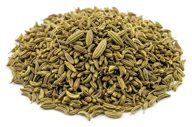
  • Ground fennel seed

    Use the same weight; fennel is the closest everyday match, slightly sweeter and milder.

  • Aniseed

    Grind the same weight freshly; the aroma is stronger, so add it near the end.

  • Ground star anise

    Use about 50% of the weight; it is much more powerful and slightly liquorice-heavy.

Kashmiri garam masala
  • Garam masala

    Use 75–80% of the weight; add at the same stage. More pungent and less aromatic, so taste before adding more.

  • Ground garam masala

    Use 75–80% of the weight; stir in off the heat. Finer powder, so it releases aroma quickly.

  • Ground cardamom and mace

    Use 20–25% of the weight alongside garam masala for aroma; it lacks the full spice profile.

Similar dishes

Trami Kokur Safed
Chicken in White Sauce
Trami Kokur Safed is delicate, creamy, and sweet with fennel, completely lacking the tangy acidity, mustard oil pungency, and chilli heat of this dish.
  • Same: Trami Kokur Safed also braises chicken with warm spices like cinnamon, cloves, and ground ginger.
  • Different: Trami Kokur Safed cooks the meat down in milk and ghee instead of yogurt and mustard oil, omitting the Kashmiri chilli, cardamoms, bay leaf, and asafoetida.
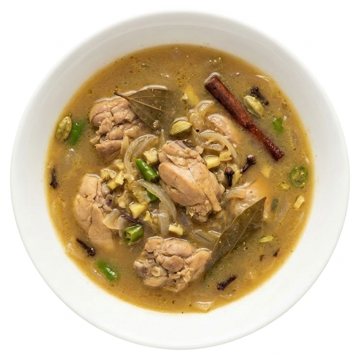
Chicken Ishtoo
Indian-Style Chicken Stew
Chicken Ishtoo yields a much lighter, milder, and cleaner broth driven by fresh aromatics, lacking the rich, tangy, and pungent red heat of this dish.
  • Same: Chicken Ishtoo also braises chicken with whole warm spices, sharing green cardamom, cloves, cinnamon, and bay leaves with this dish.
  • Different: Chicken Ishtoo uses neutral vegetable oil and a base of sliced onions, garlic paste, and fresh green chillies, omitting the yogurt, heavy mustard oil, asafoetida, and Kashmiri chilli powder used in this dish.
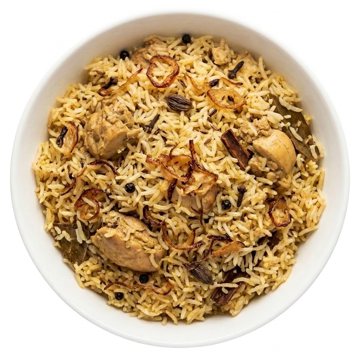
Murg Pulao
Chicken Pulao
Murg Pulao tastes rich, buttery, and savory from ghee and onions, lacking the sharp pungency of mustard oil and the deep chilli heat of this dish.
  • Same: Murg Pulao also uses chicken cooked with whole warming spices like cardamom, cinnamon, cloves, and bay leaves alongside plain yogurt.
  • Different: Instead of simmering the meat in a mustard-oil gravy, Murg Pulao cooks chicken directly with basmati rice in ghee and poultry broth, adding onions and garlic while omitting Kashmiri chilli and asafoetida.
Thanda Qorma
Cold Chicken Korma
It tastes savoury and peppery with heat from green chillies, lacking the tangy yogurt acidity and pungent mustard oil warmth of this dish.
  • Same: Thanda Qorma also uses chicken cooked with whole aromatic spices like green cardamom, cinnamon, and cloves.
  • Different: Instead of yogurt and mustard oil, it uses ghee, onions, garlic, and green chillies, cooking down nearly dry to be served chilled rather than hot in a rich gravy.